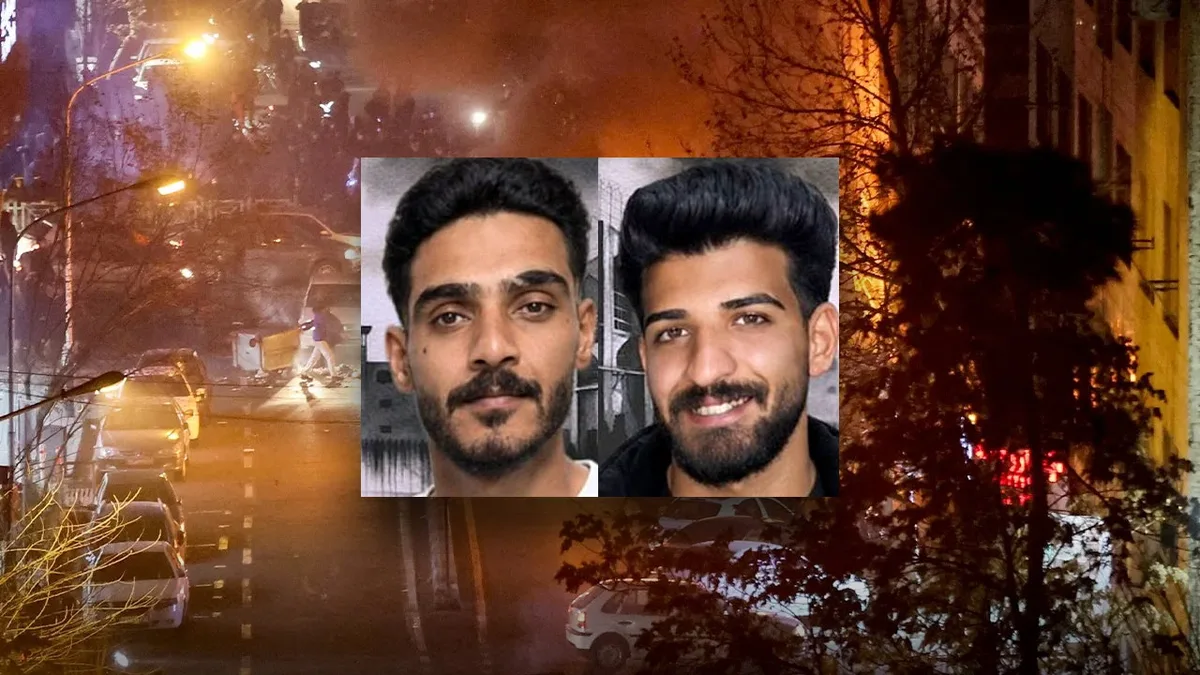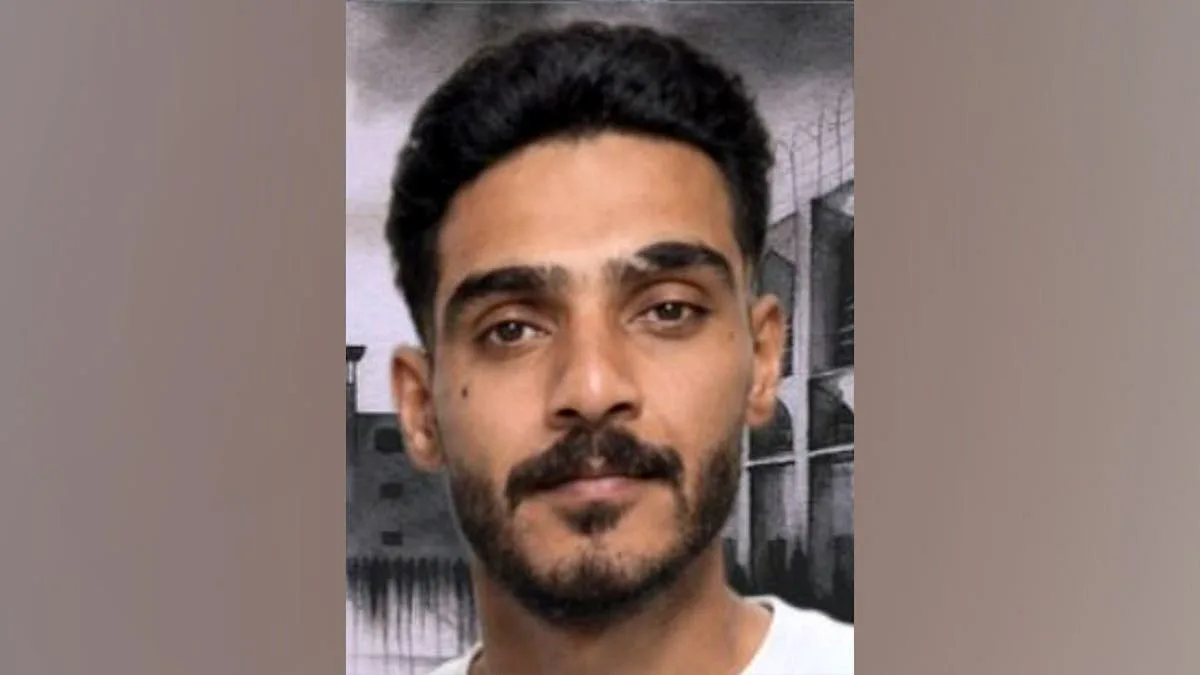
Iran executed Abolfazl Sepahi and Amirhossein Safari Hosseinabadi publicly on July 28, 2026, in Isfahan, for their alleged involvement in the January 8 anti-government protests that led to clashes and the deaths of four police officers [1, 2, 3]. They were among 12 men sentenced to death for the killings in Isfahan during those protests [1, 2, 3]. Two others from the same case were executed earlier on July 19 in prison [1, 3].
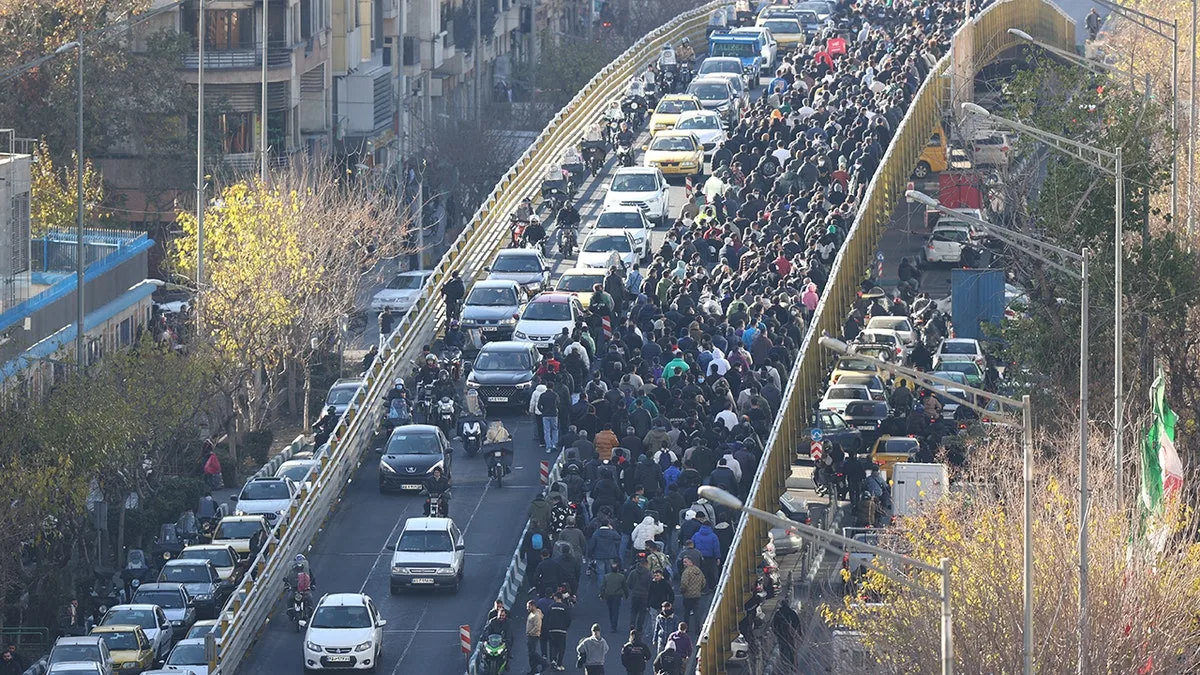
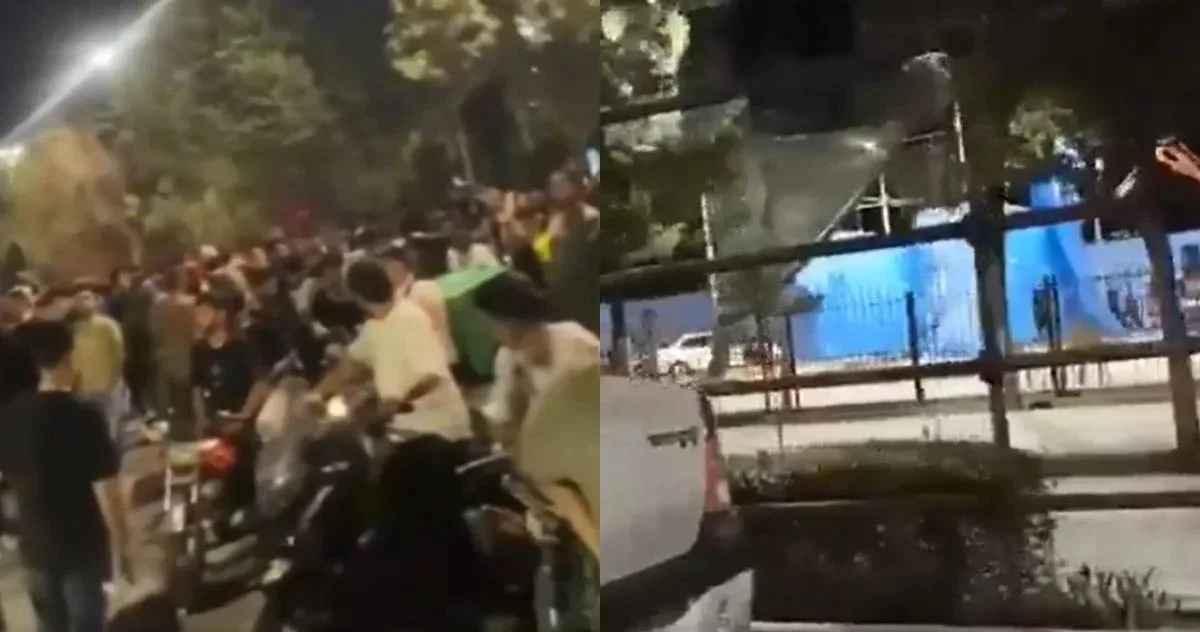
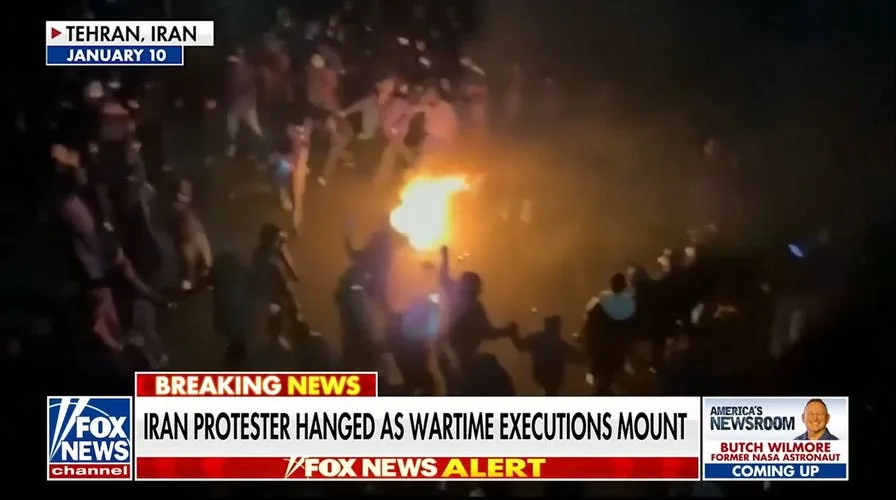
The executions took place in Shahid Alikhani Square, the site of the protests and police deaths, where authorities had erected a stage the evening before [1, 2, 3]. A crowd gathered at the public execution but instead of supporting it, chanted slogans against the police. Security forces responded by firing tear gas, using Tasers, and firing warning shots to disperse the crowd [1, 2].
Iranian officials accused the executed men of moharebeh (enmity against God), corruption, arson, destruction of property, and weapons possession [2]. The judiciary claimed the men had legal representation and appealed their convictions, although opposition and human rights groups maintain the defendants were denied due process and the right to choose their own lawyers [2, 3]. According to one claim, court-appointed attorneys were also denied access to case files [2].
UN human rights experts condemned the executions, citing forced confessions, closed trials, and a lack of individual responsibility assessments [3]. At least 24 people linked to the January protests have been executed so far this year, the UN said [3]. The Iranian government reports 3,117 deaths since protests began in December 2025, while some rights groups estimate the toll could be as high as 42,000 [3].
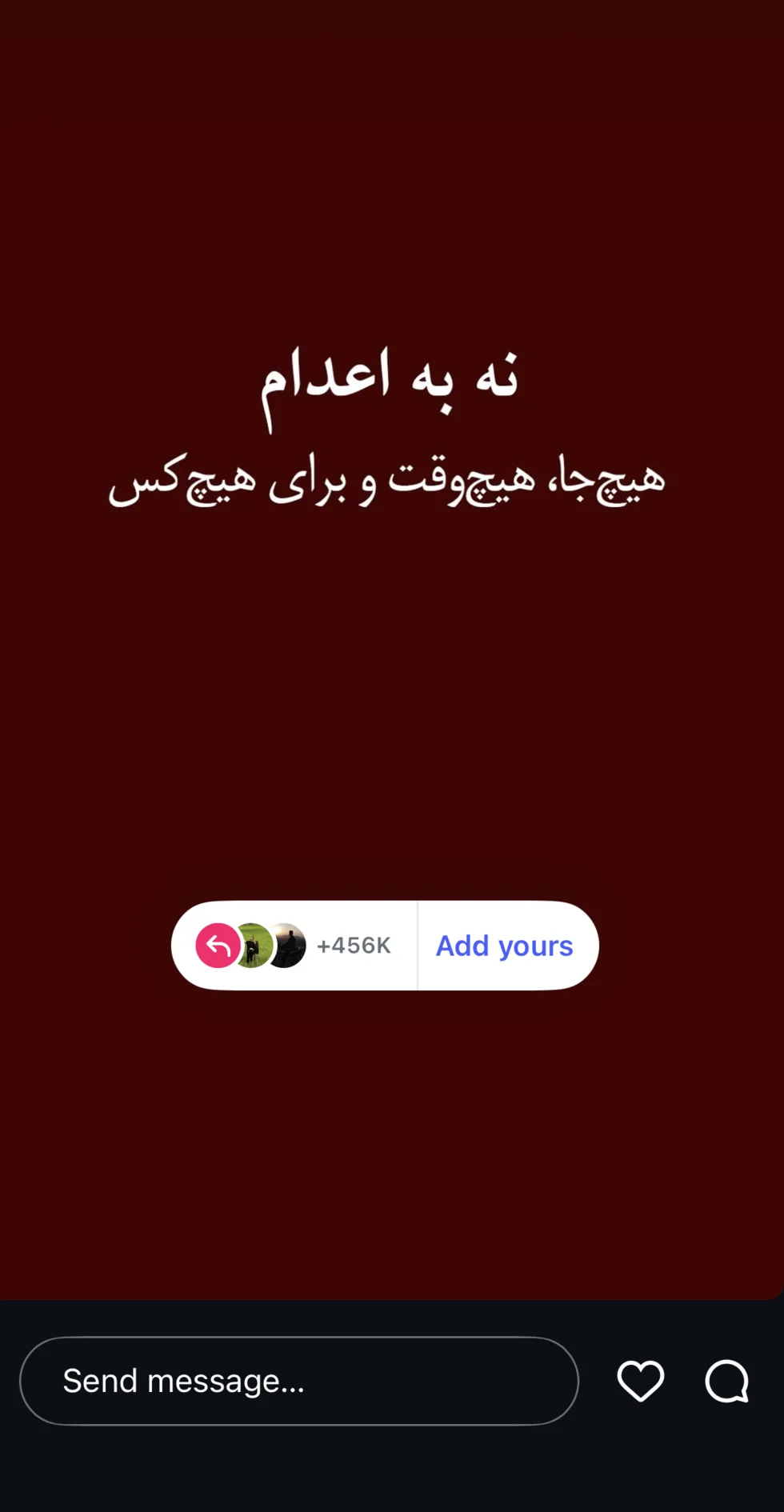
Maryam Rajavi, NCRI president-elect, said, "Fearing public outrage over this brutal crime, the regime's suppressive forces had deployed agents in the surrounding streets and on rooftops" ahead of the executions [2]. An online petition against the death penalty following the executions collected over 500,000 signatures [1].
The executions sparked widespread public and international criticism on July 29 despite appeals from UN human rights officials [3]. Four of the 12 men sentenced to death in the case have been executed to date [1, 3].