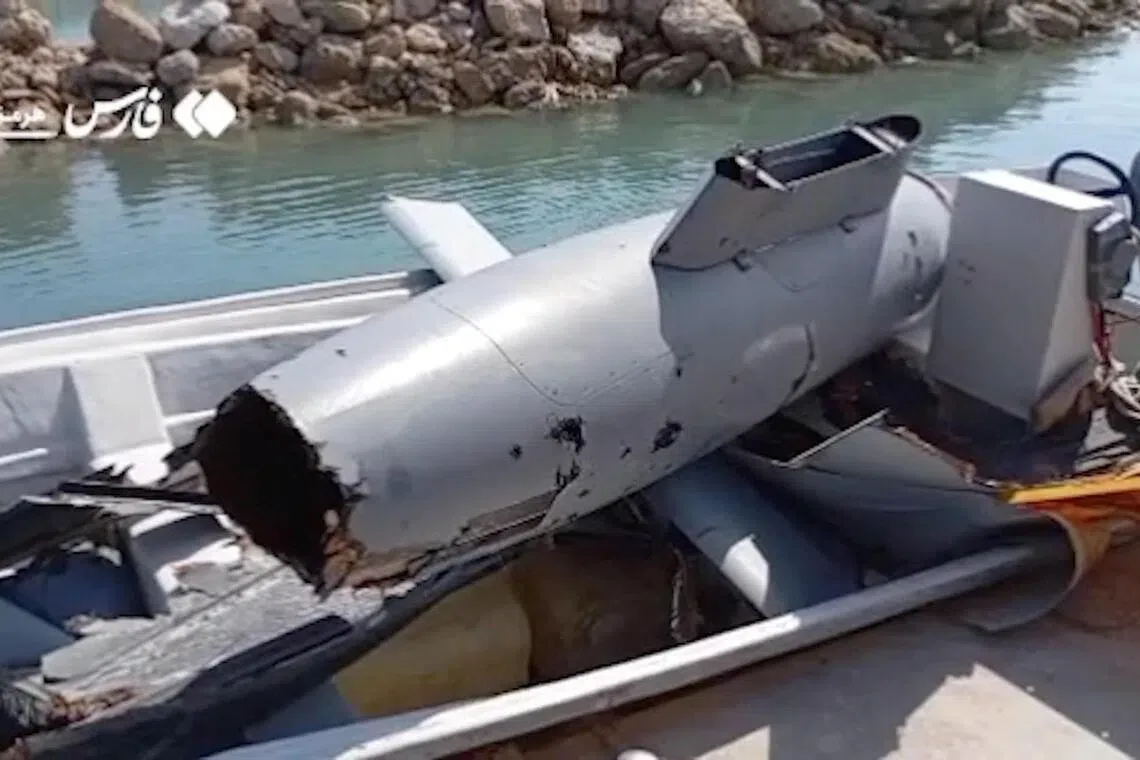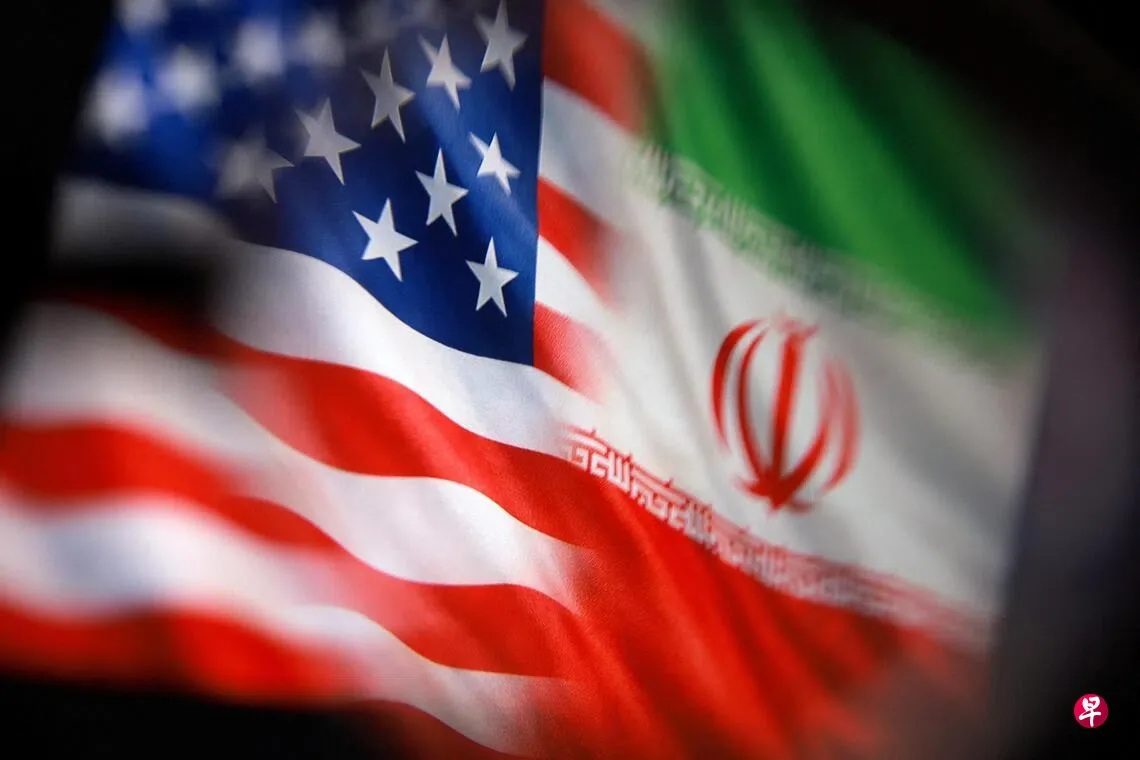
The United States and Iran are nearing a deal to extend their ceasefire by 60 days with terms that include reopening the Strait of Hormuz, lifting some sanctions, and resuming nuclear discussions [1, 2, 3, 4, 5]. The six-week ceasefire began in early April, during which Iran restarted some drone production, according to multiple intelligence sources [6, 7, 8, 9, 10]. US intelligence indicates Iran's military rebuilding is happening faster than initially estimated, potentially restoring full drone attack capability within six months [6, 8, 9, 10].
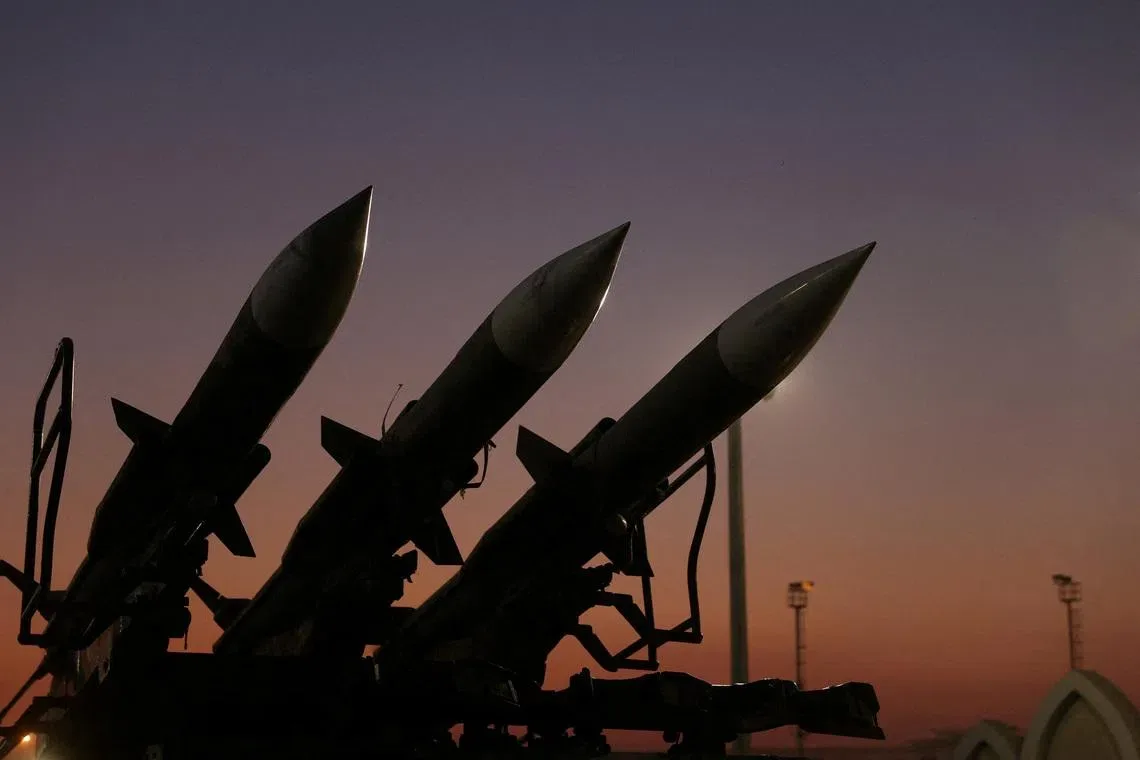
Iran has rebuilt destroyed missile launch sites, launchers, and key weapons production systems despite earlier US claims that 90% of Iran's defense industrial base was destroyed and unlikely to be rebuilt soon [8, 9, 10]. Since the war began in late February, Iran has destroyed at least 24 US MQ-9 Reaper drones, about 20% of the Pentagon's prewar inventory, causing nearly $1 billion in losses [8]. The US has expended about half of its THAAD interceptors, approximately 200, and over 100 Standard Missile interceptors defending against Iranian attacks [8].
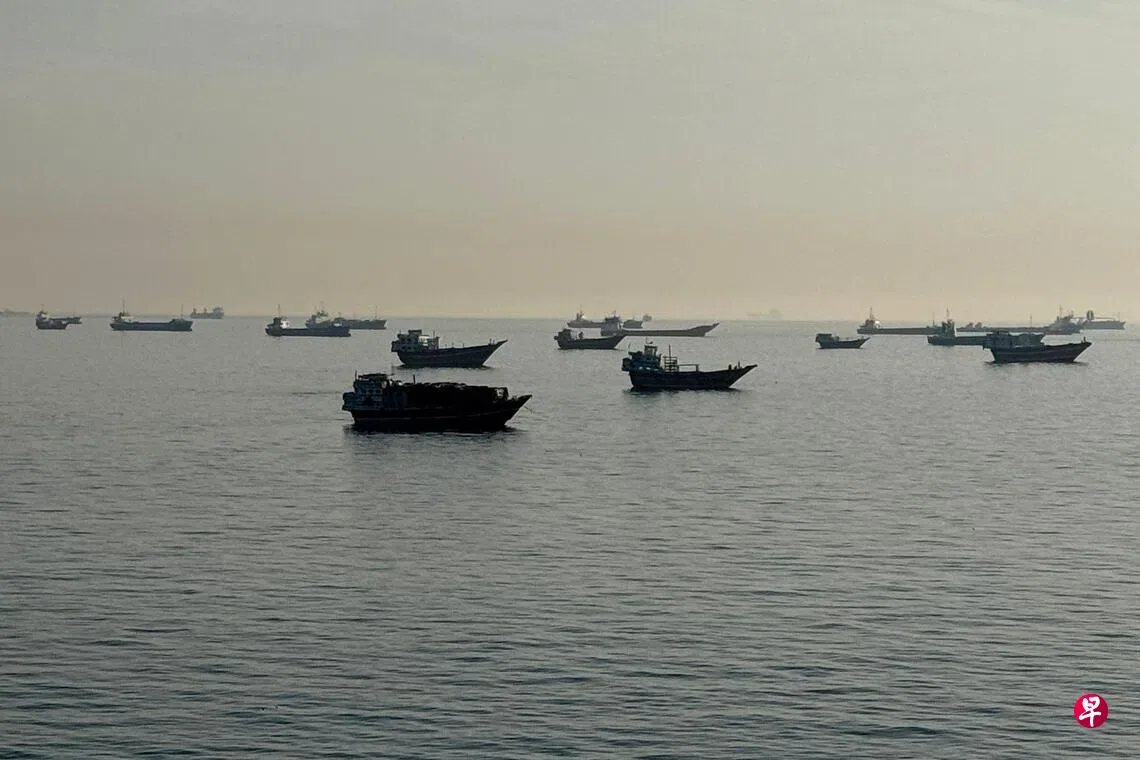
The draft agreement reportedly includes Iran agreeing to clear mines from the Strait of Hormuz and guaranteeing free passage, while the US agrees to lift port blockades and partially lift sanctions [2, 3]. Iran would pledge not to pursue nuclear weapons and engage in talks on suspending uranium enrichment and transferring its approximately 440 kilograms of highly enriched uranium stockpiles [2, 3, 4, 5]. However, Iran’s foreign ministry says the current focus is ending hostilities, not detailed nuclear talks, which could take 30 to 60 days to begin [1, 4, 5]. Ankara supports the talks and stressed the Strait of Hormuz's security as critical for regional stability [11]. Turkish President Recep Tayyip Erdoğan said, “Turkey is ready to provide all support in the process of reaching a possible agreement between the US and Iran” [11].
US officials say the final agreement could take a few more days to complete. US Senator Rubio stressed, “Nuclear negotiations can't be done in 72 hours or on a napkin; it's a highly technical issue” [12, 4]. President Donald Trump cautioned bluntly, "We either make a good deal or I blow them to kingdom come" [4]. The Iran Revolutionary Guard warned, “If aggression against Iran occurs again, this time the regional war will expand beyond the region” [7]. Iran also emphasizes maintaining sovereignty over the Strait of Hormuz even if shipping access is guaranteed [11].
If talks collapse, the US is prepared to resume military action against Iran [6, 7]. The next key developments will be the finalizing of the ceasefire extension deal expected within days and the planned start of nuclear talks after the 60-day ceasefire period.