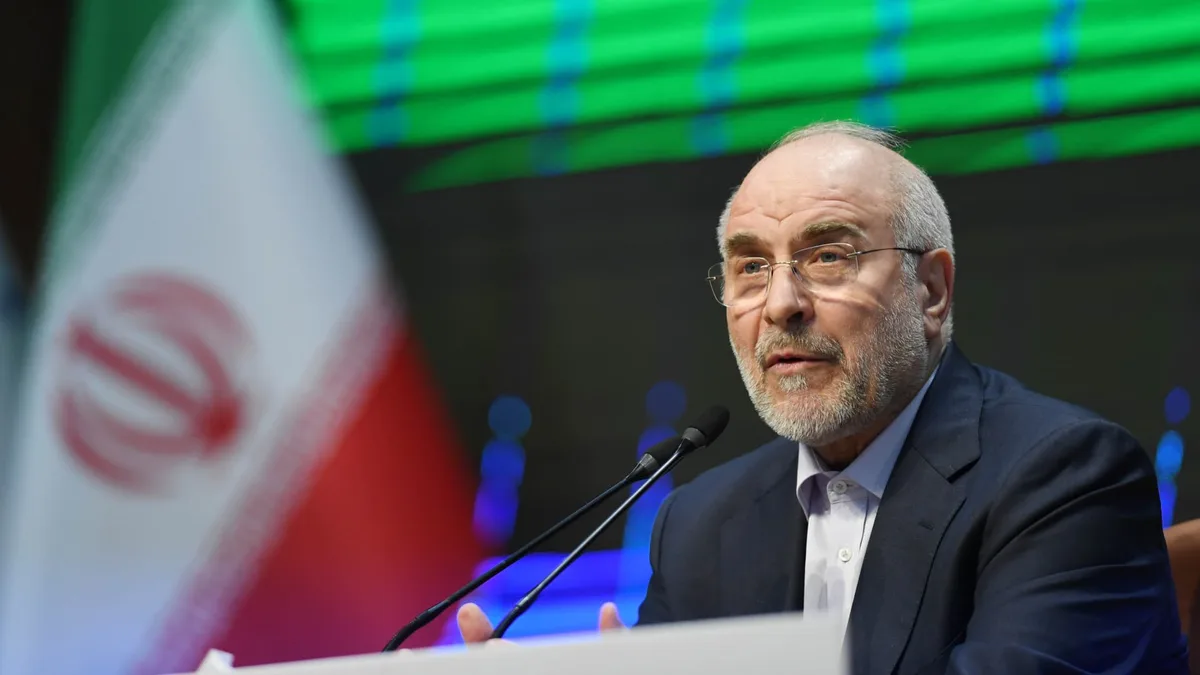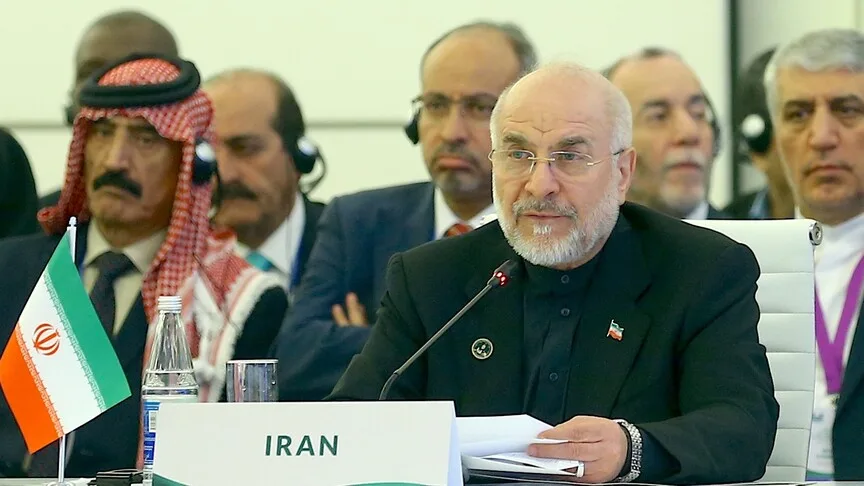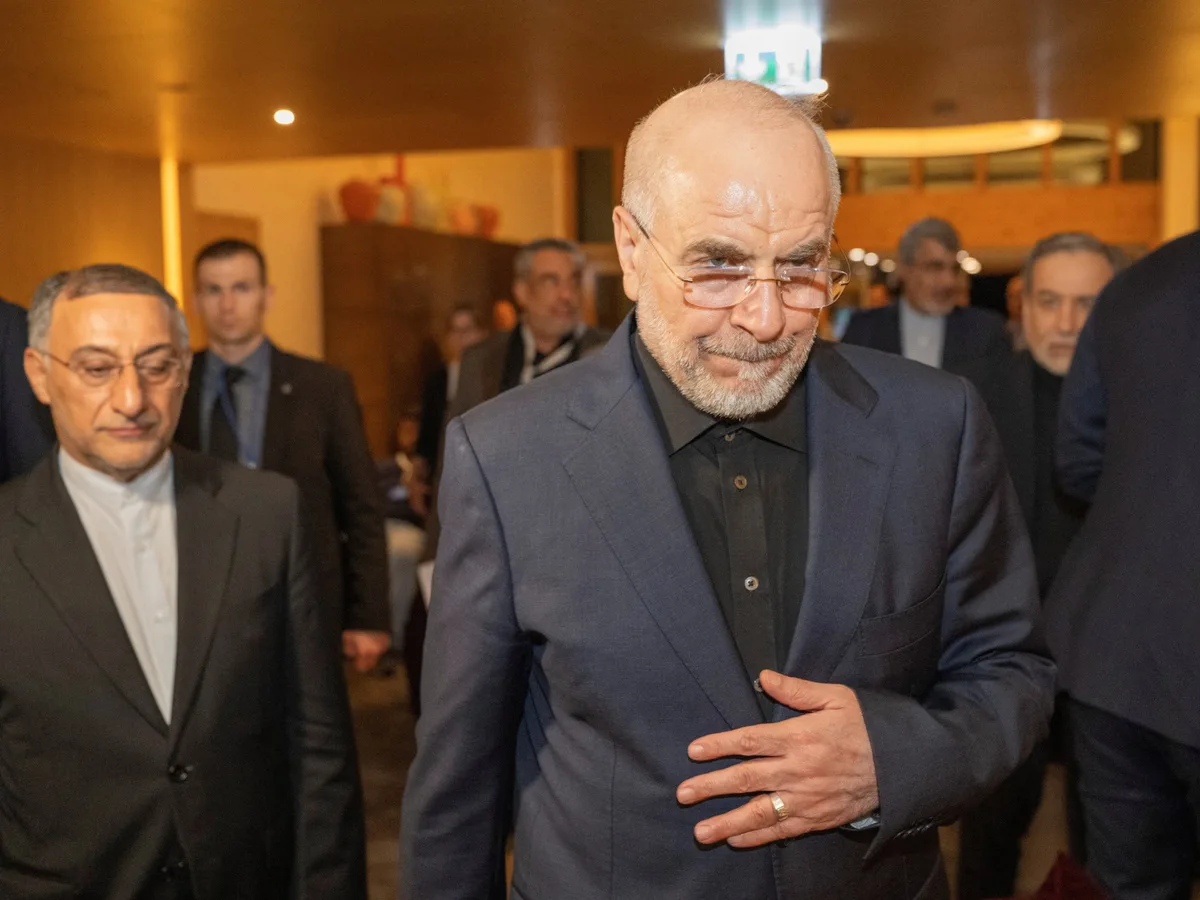
Iran’s parliament speaker Mohammad Bagher Ghalibaf publicly rejected US assertions that Tehran’s unfrozen assets would be used solely to purchase American farm goods, calling the claim false and rooted in longstanding mistrust between the two countries [1, 2, 3]. On June 25, Ghalibaf stated on social media platform X that “America falsely claims our unfrozen assets will buy their agriculture. The only crop we’re harvesting is what you planted: decades of mistrust,” adding that the US “only exports GMO soybeans, broken promises and trash talks” [1].
The US holds a different view. President Donald Trump said no direct cash would reach Iran but that the released funds would be held in escrow by the US Treasury and used to buy US agricultural products such as corn, wheat, and soybeans from American farmers [2]. Trump said, “The Money and/or Sanctions that the U.S. Treasury is releasing goes into escrow, controlled by the U.S.A., and will be used for the purchase of food and medical supplies, exclusively from the United States, including Corn, Wheat, and Soybeans from our great American Farmers” [2].
US Treasury Secretary Scott Bessent reinforced this position on June 24, saying the Treasury Department would oversee the fund release and that a large share of the money would be spent on US foodstuffs and medicines. He told reporters, “Any money that the Iranians get first is going to be used for the benefit of the Iranian people. It is going to be Iranian frozen funds. A very large percentage of it will go to buying US foodstuffs and medicines. We are recycling the money back into US products under Treasury oversight” [2, 3].
Iran’s Foreign Ministry spokesman added that any agricultural purchases would be based on price and quality, not on US-imposed restrictions [2]. This aligns with Iran’s broader rejection of US conditions on how the unfrozen funds can be used.
The dispute follows the Iran-US memorandum of understanding signed electronically on June 18, 2026. Brokered by Pakistan, the MoU entered into force after Iranian President Masoud Pezeshkian and US President Donald Trump signed the document [1, 3]. The agreement provides $500 million in financial relief in the form of unfrozen Iranian funds to be released under certain conditions [1, 3].
Negotiations and debate continue over the precise terms and implementation of the MoU, including the conditions attached to how the funds may be spent [1, 3]. Iranian officials have maintained that the agreement does not legally require them to buy exclusively from the US agriculture sector, contrasting with US officials’ statements.
Opposition voices in Iran also criticized the US position. Esmail Baghaei remarked on the irony that the conflict aimed to destroy Iranian civilization but now enriches American farmers [2].
Iran’s parliament speaker’s rejection signals ongoing tension in the interpretation of the MoU’s financial terms. The next step will be closely watched as both sides negotiate details of fund release and use.