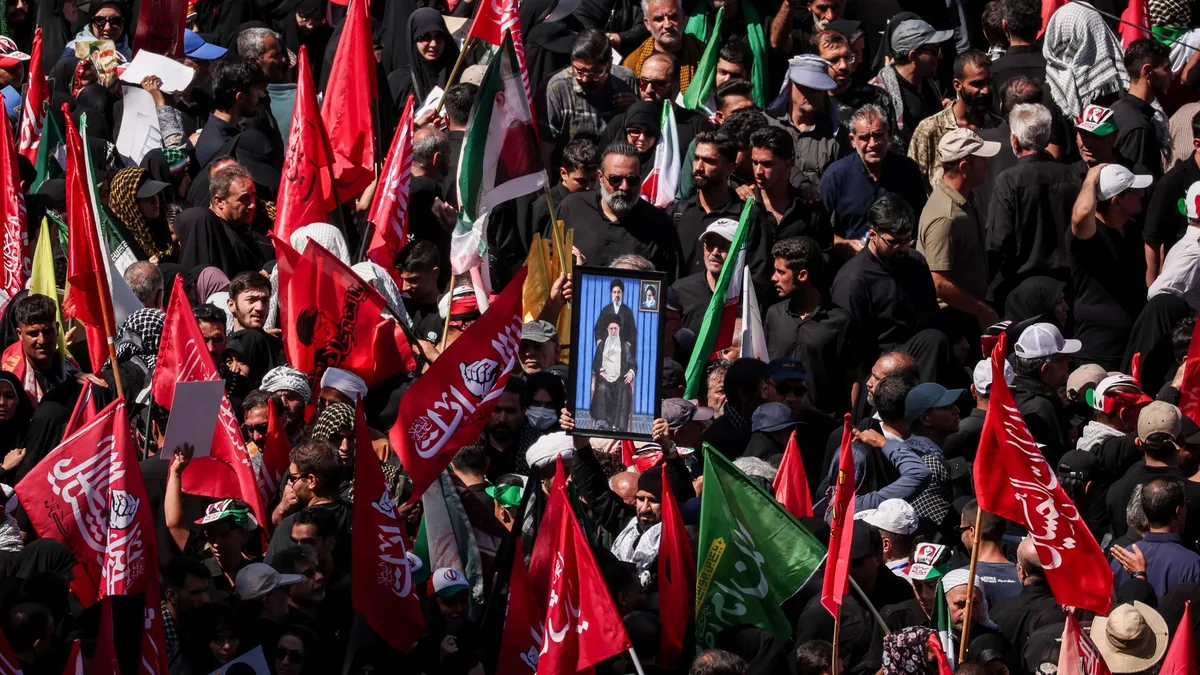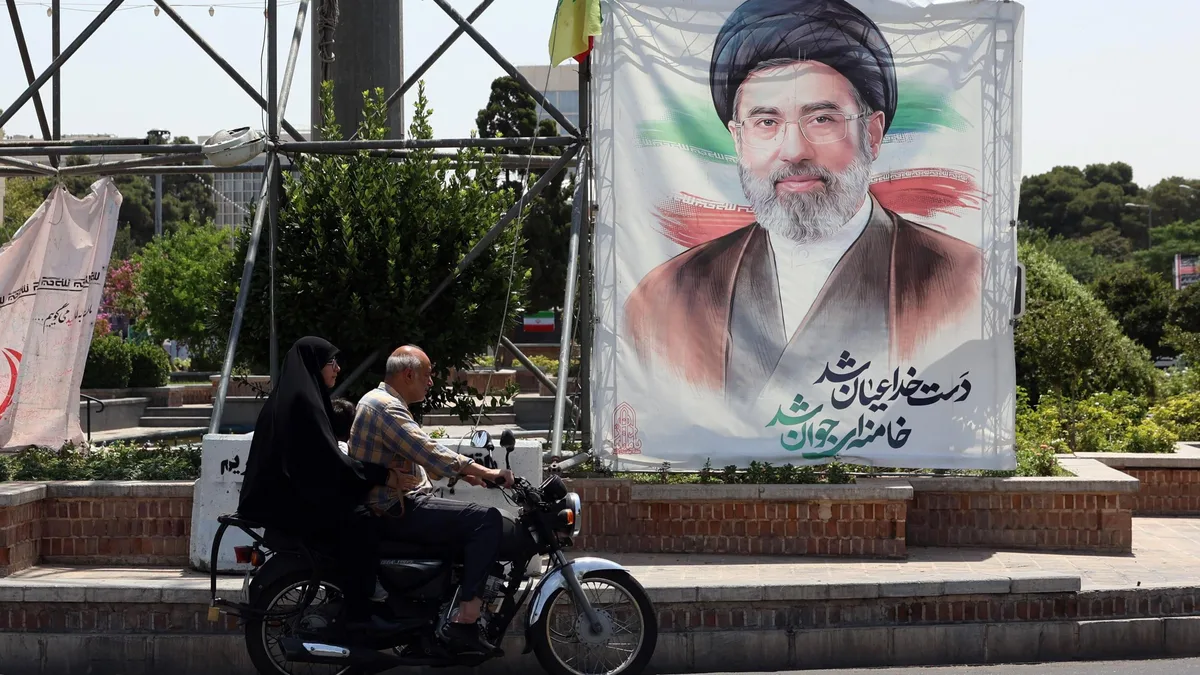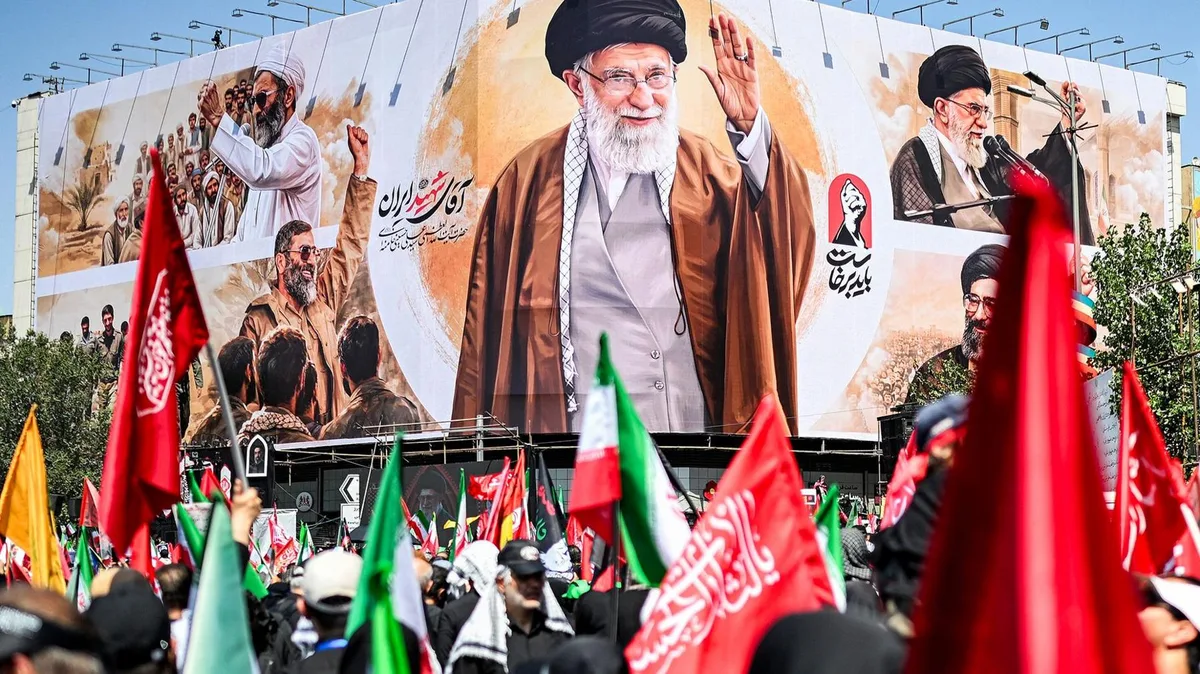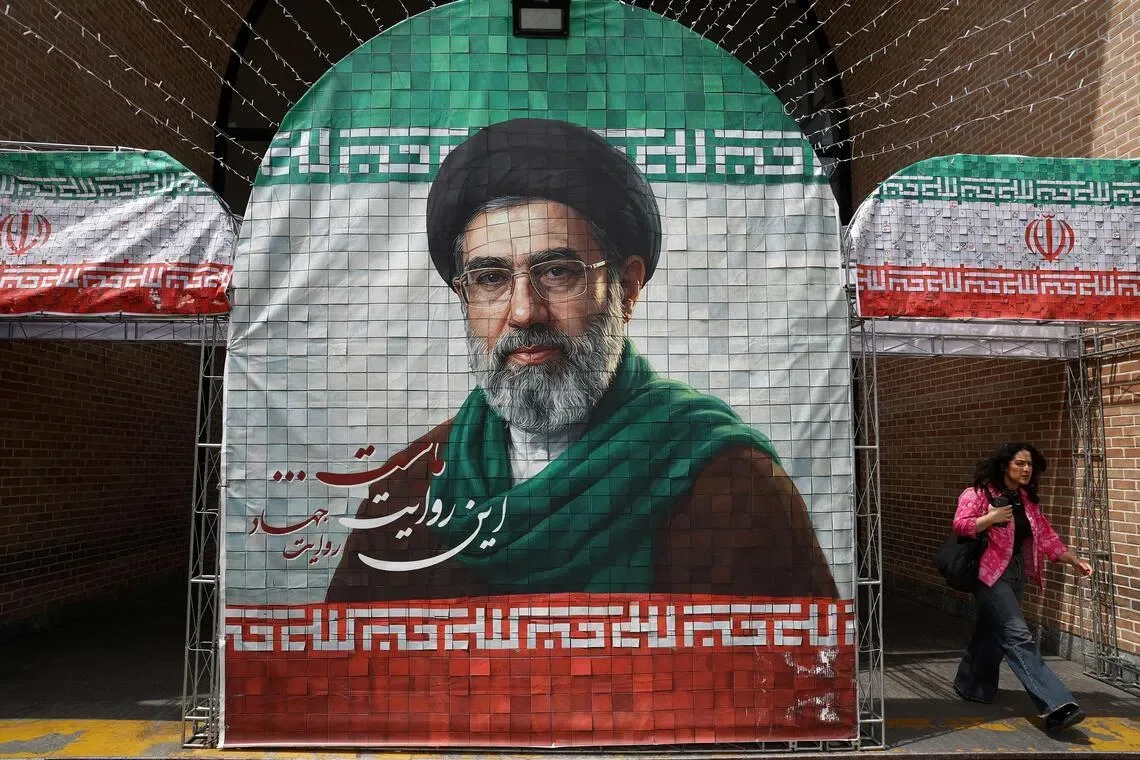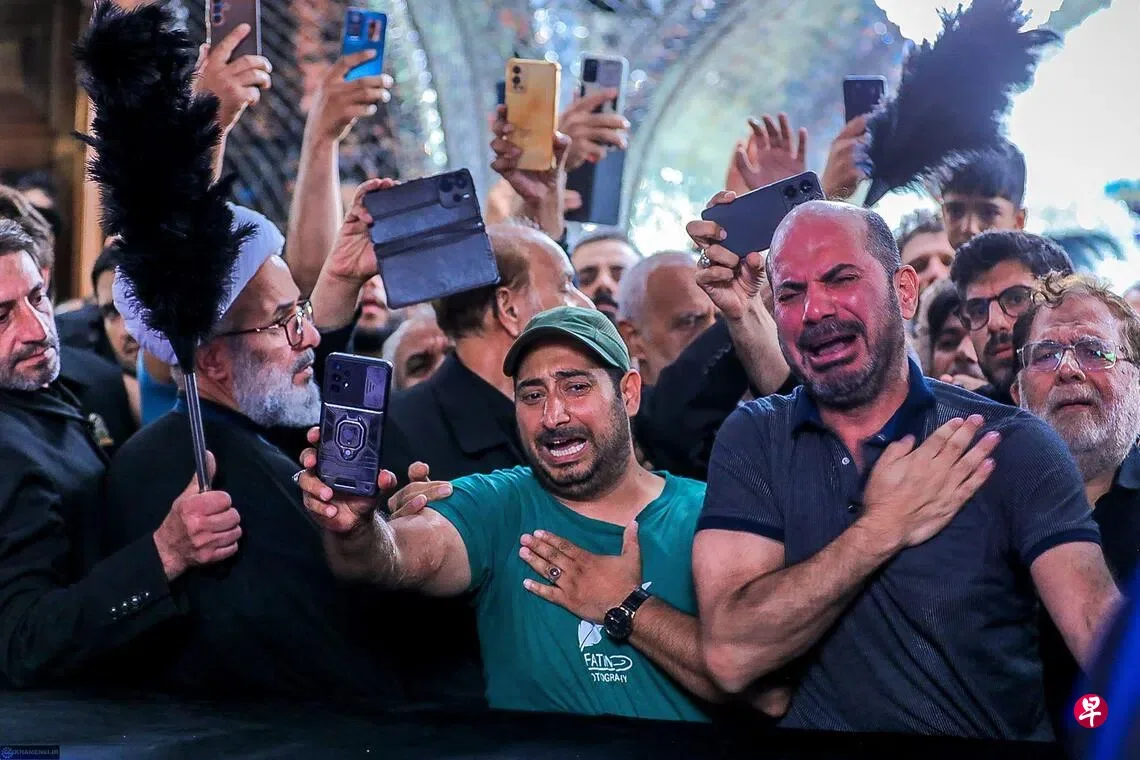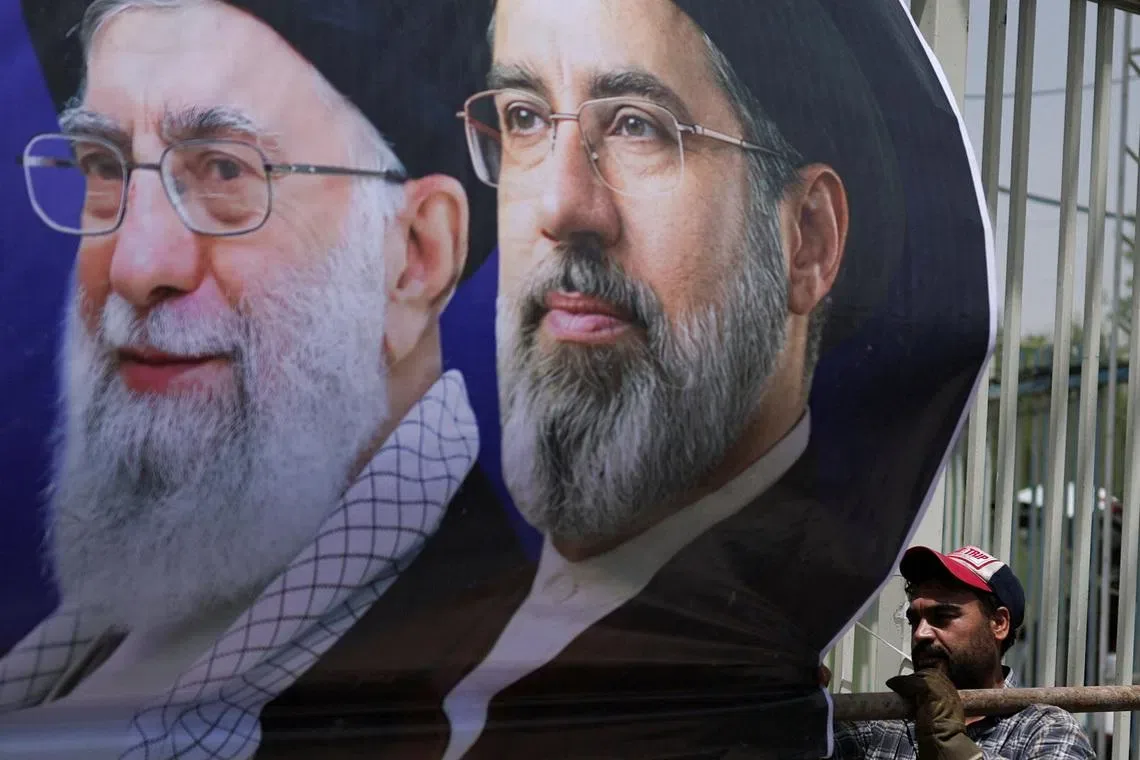
Iran’s Supreme Leader Mojtaba Khamenei issued a written statement on July 10 vowing to avenge the killing of his father and predecessor, Ayatollah Ali Khamenei, in a US-Israeli air strike earlier this year [1, 2, 3, 4]. Ali Khamenei, 86, was killed on February 28, the first day of the US-Israeli war against Iran [1, 2, 5, 6, 7]. About a week later, Mojtaba Khamenei, 56, was appointed as the new Supreme Leader [8, 9, 10]. Since then, he has not appeared publicly, including missing his father’s funeral ceremonies in Mashhad in July [8, 9, 5, 6, 7, 10].
Mojtaba reportedly sustained facial disfigurement and other injuries in the air strike that killed his father and his wife [8, 9, 5, 10]. Security concerns amid possible U.S. or Israeli assassination attempts are also believed to contribute to his absence from public roles [5, 6, 7]. Farzan Sabet from the Geneva Graduate Institute said the low profile "is likely due to physical injury and security considerations given risk of assassination," though it could be temporary and manageable long term [6].
The new Supreme Leader declared revenge was the "will of our nation and must inevitably be carried out," saying, "The matter depends neither on my personal existence nor on that of other officials. Whether we are present or not, it will come to pass" [1]. Iran has compiled a list of targets for retaliation under the revenge pledge [3].
Meanwhile, former US President Donald Trump warned on the same day that any Iranian attempt to assassinate him would prompt "complete decimation and destruction" of Iran [1, 11]. Despite escalations, mediators continue efforts to revive talks between the US and Iran [1].
Some analysts suggest Mojtaba’s absence and low public visibility may indicate a shift in leadership dynamics, with more power delegated to the Revolutionary Guards [5, 6, 7]. Locals in Iran, such as shop owner Taghi in Isfahan, have expressed concern that the Supreme Leader be visible to maintain public confidence [8].
Ali Khamenei was buried on July 9 after nearly a week of funeral ceremonies [1, 8, 9, 5, 6, 7]. Mojtaba’s pledge of revenge came the following day with a public statement marking his first since the funeral [1, 2, 3, 4, 11].