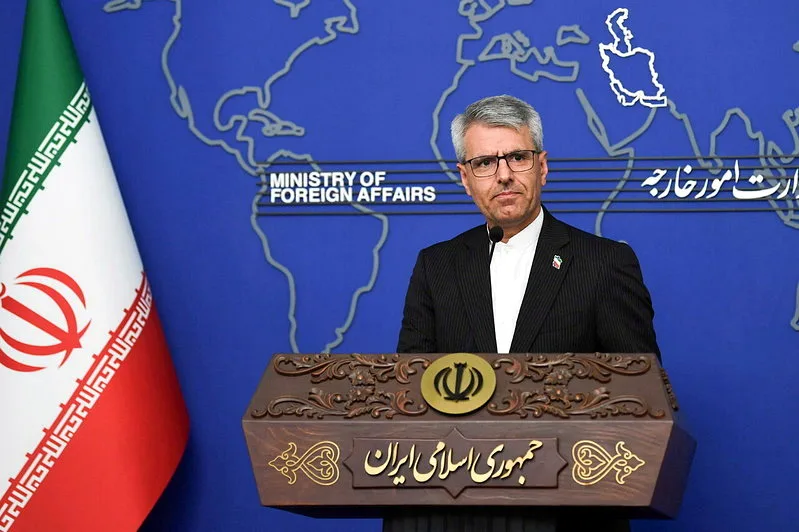
Iran has outlined six conditions that the US must meet before the Strait of Hormuz can fully reopen, including a permanent end to the war, withdrawal of US troops, lifting of sanctions, ending the maritime blockade, release of frozen assets, and payment of war reparations, Iran’s National Security Council Secretary Mohammad Baqer Zolghadr said on August 8 [1, 2]. “These are the demands of the Iranian people... Unless the US corrects its behavior, the Strait of Hormuz will not reopen,” Zolghadr added.
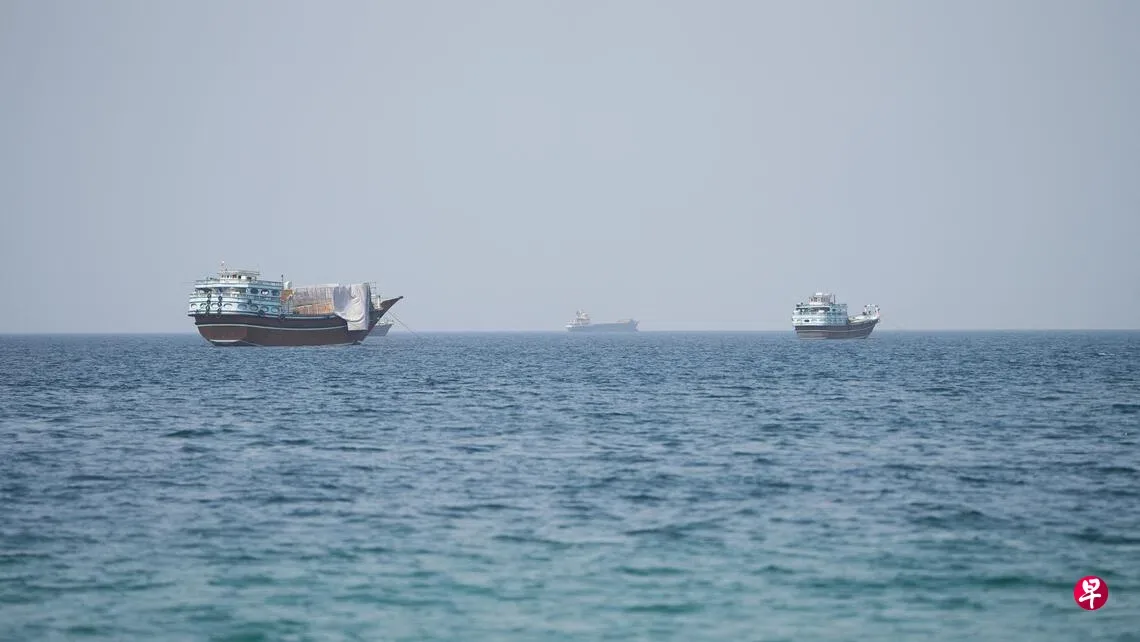
Iran and Oman reached an agreement on geographic coordinates for a proposed maritime route through the Strait on August 5 and are drafting a joint statement to formalize the arrangement [3, 4, 5, 2]. However, Iranian officials have stressed that despite this consensus, the Strait will remain closed until all Iranian demands are met [1, 6, 7]. The Iranian Revolutionary Guard reiterated on August 9 that it considers the Strait a battlefield and will maintain its blockade until these conditions are fulfilled [7].
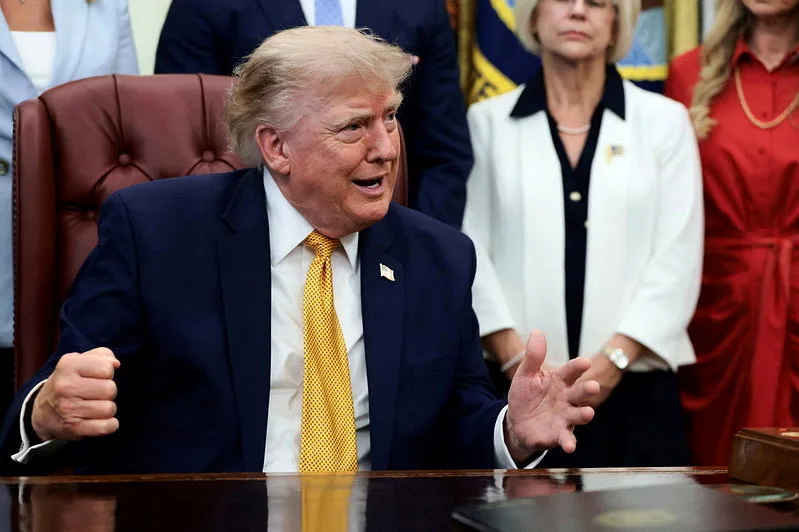
US President Donald Trump said on August 6 that talks to reopen the Strait are progressing well and could yield results soon. He said, "I think we’re making very good progress. I’m involved. It’s possible we will have a deal very soon. The Strait is basically open now," though he warned that shipping risks persist because of potential Iranian attacks or mines [8, 5, 9]. Trump’s position reflects ongoing US naval control of the Strait and continued efforts to keep oil flowing.
Despite Trump’s remarks, Iran denies holding direct negotiations with the US, stating that communication happens only through intermediaries and primarily with Oman [7, 9]. US Vice President Pence acknowledged improvements in dialogue but noted Tehran has not met all US demands. Iran reportedly told the US it does not plan to impose fees on shipping passage, although reports have varied on whether Iran sought a 5% to 7% shipping fee [1, 2]. Oman called the negotiations “positive and constructive” but warned that ongoing attacks on shipping threaten progress [2].
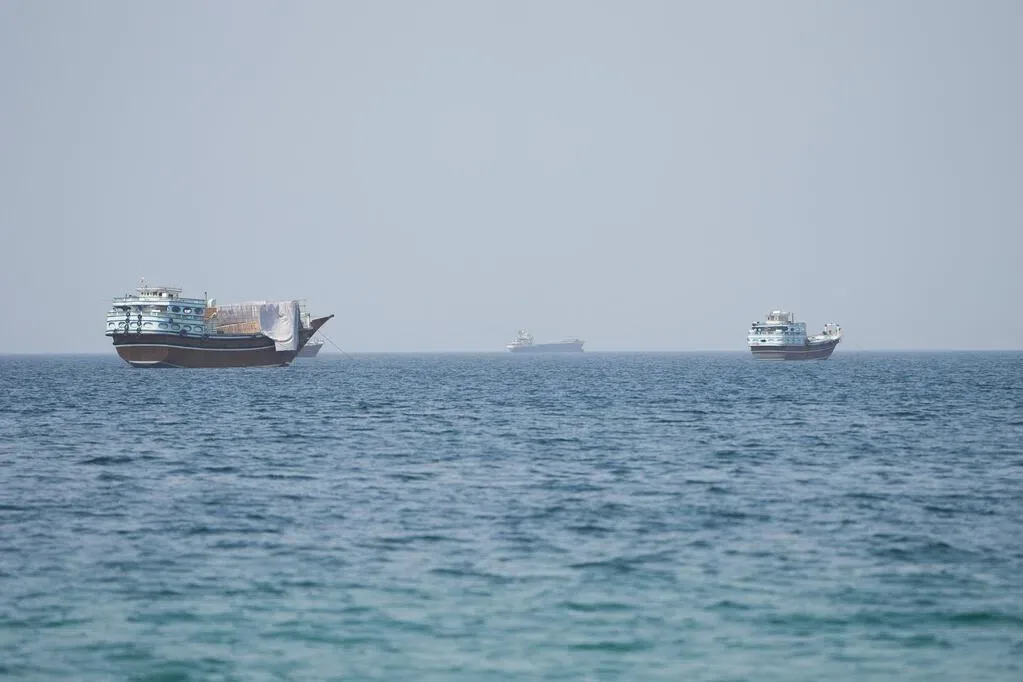
Tensions remain high after a UAE state oil tanker was reportedly attacked by Iran while passing through the Strait, escalating regional concerns [6]. The Strait previously handled 20% of global oil and gas exports before the conflict began, highlighting its strategic importance [6, 5, 2].
On the US side, CNN analysis outlined three options facing the Trump administration in managing the conflict: maintain limited military actions and blockade, escalate strikes including against civilian infrastructure, or accept a political withdrawal [10, 11]. As of today, the US Gulf oil production remains at pre-conflict levels, with gasoline prices projected at around $1.85 to $1.95 per gallon in states like Iowa [8, 2].
The next significant step will be the finalization of the joint Iran-Oman maritime passage statement and monitoring whether the US will respond to Iran’s demands. Tehran’s position remains firm that the Strait’s full reopening hinges on meeting its conditions.