Iran made a new peace proposal on May 18 to end the war in the Middle East and shared it with the US through Pakistani mediation, according to multiple sources [1, 2]. The plan reportedly includes Iran’s long-term suspension of its nuclear program and the transfer of highly enriched uranium to Russia [1]. It also aims for a phased reopening of the Strait of Hormuz and an interim waiver of US sanctions on Iranian oil exports during negotiations, although Washington denies agreeing to waive sanctions as reported by some Iranian sources [1, 2].
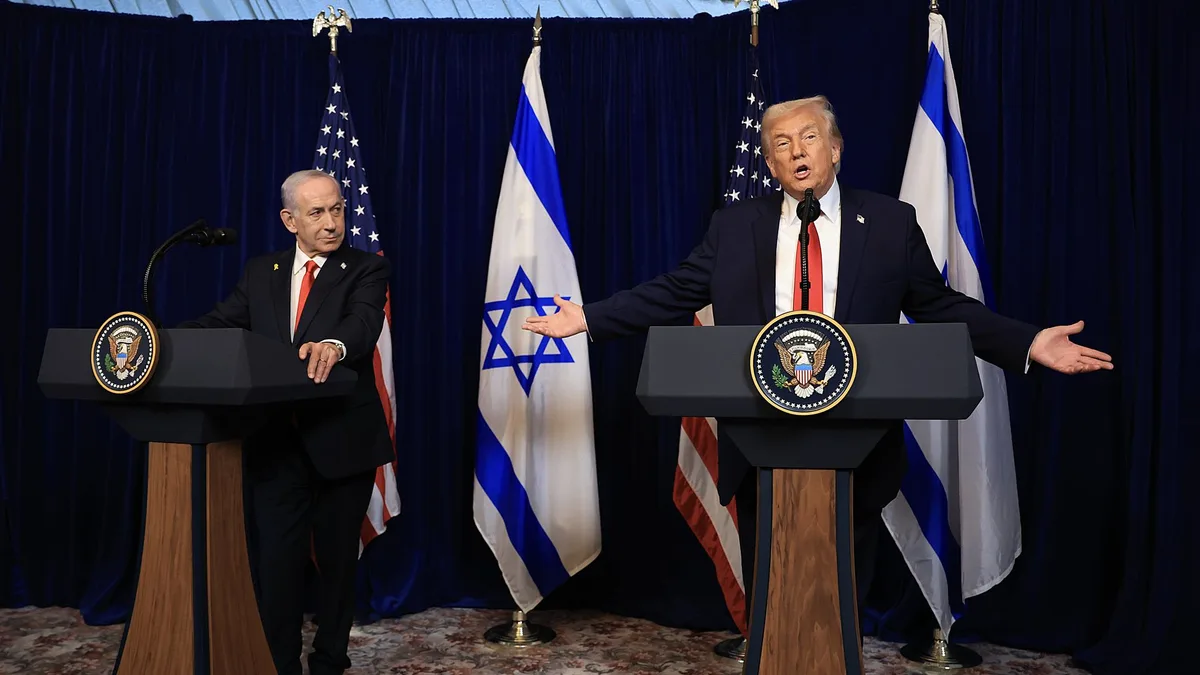
US President Donald Trump delayed planned strikes on Iran, saying regional leaders believe a deal is close, though he warned on May 19 that "the Clock is Ticking for Iran. They better get moving, FAST, or there won’t be anything left of them. TIME IS OF THE ESSENCE!" [1, 3]. On May 20, Trump held a tense call with Israeli Prime Minister Benjamin Netanyahu about the proposal; Netanyahu was skeptical and favored military action [4]. Trump said, "The only question is do we go and finish it up or are they gonna be signing a document. Let's see what happens," adding "Netanyahu will do whatever I want him to do" [4].
Qatar, Pakistan, Saudi Arabia, Turkey, and Egypt have been mediating and refining the draft peace proposal [4]. Pakistani Interior Minister Mohsin Naqvi arrived in Tehran on May 20 for a second visit within a week to discuss a fresh US proposal and continue mediation efforts [3]. He met Iranian officials on May 19 as talks remained stalled [3]. Pakistani sources say progress is difficult with both Washington and Tehran continually shifting positions [1, 2].
The latest US offer reportedly includes slightly improved incentives on frozen Iranian assets and sanctions relief [3]. Iran’s foreign ministry confirmed ongoing negotiations based on its 14-point plan, with Pakistani officials maintaining frequent contact in Tehran [4, 3]. The six-week period of US-Israeli airstrikes and Iranian retaliation ended recently with a fragile ceasefire still described as "on life support" [1]. The US has allegedly agreed to release 25% of Iran’s frozen funds, though details remain unclear [2].
The next major steps hinge on further talks mediated by Pakistan and other Gulf states, as Iran and the US weigh final terms. Mohsin Naqvi’s discussions in Tehran this week aim to resolve outstanding issues and push toward a deal.