Iran suspended all message exchanges and negotiations with the US through mediators on June 1. Tehran cited Israeli airstrikes in Lebanon as a violation of the ceasefire, making it a key reason for halting talks [1, 2, 3, 4, 5, 6]. Iranian Foreign Minister Abbas Araghchi said, "Its violation on one front is a violation of the ceasefire on all fronts. The US and Israel are responsible for the consequences of any violation" [1, 2].
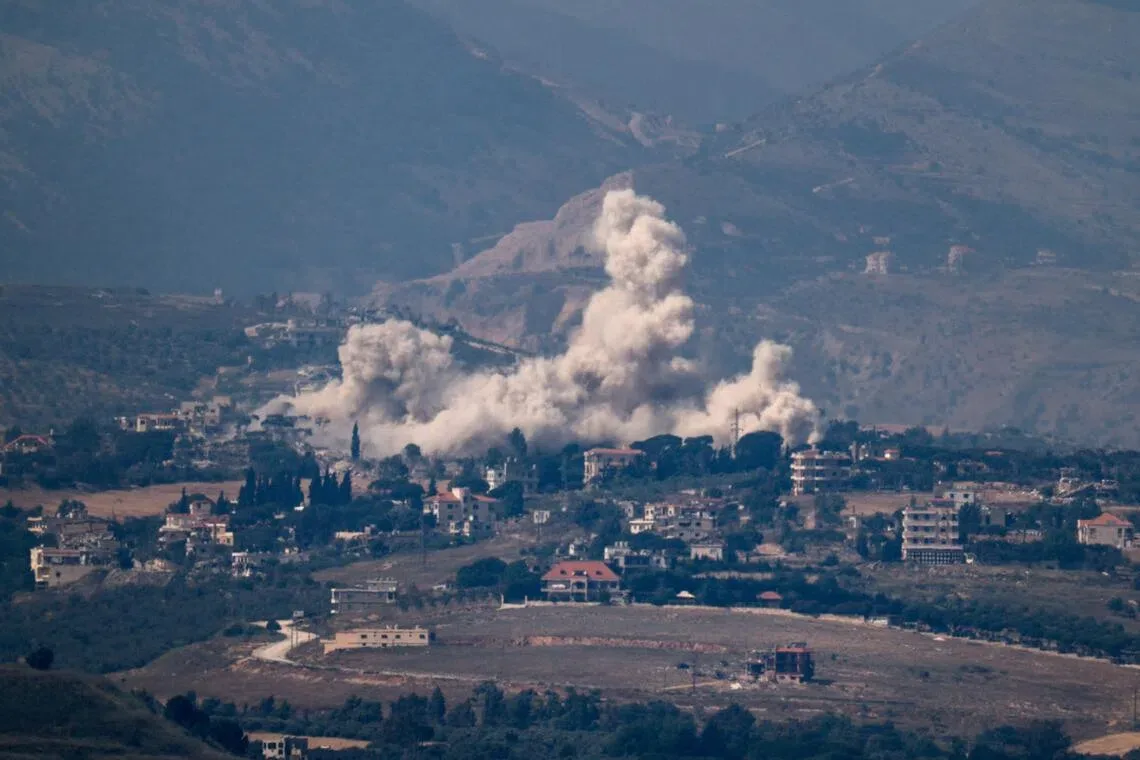
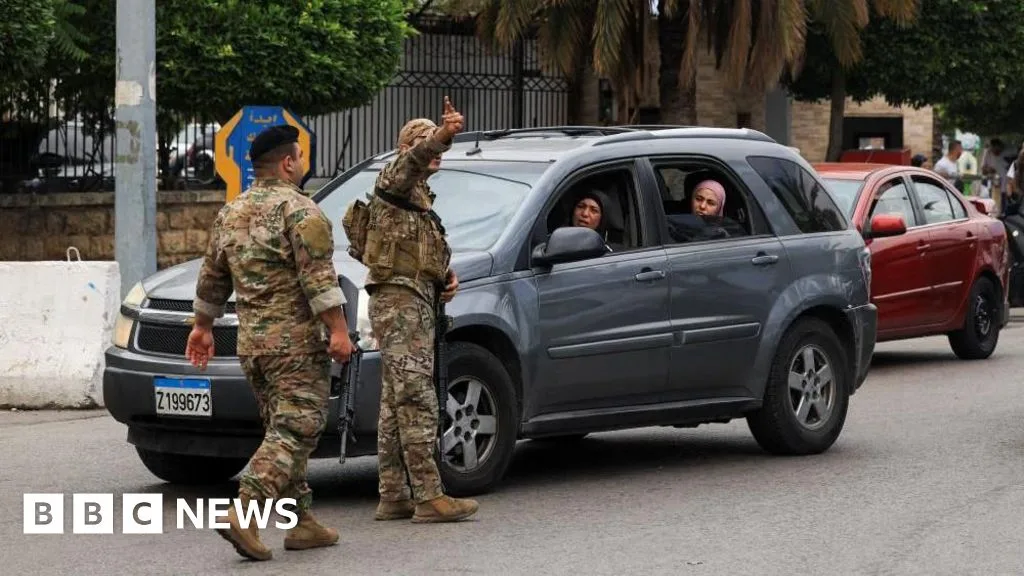
The suspension came amid renewed Israeli airstrikes targeting Hezbollah positions in southern Beirut suburbs, known as Dahiye, forcing thousands of Lebanese civilians to evacuate [1, 7, 5, 8, 9]. The United Nations expressed deep alarm over the escalation, warning that civilians and civilian infrastructure must not be targeted and calling for all parties to respect the ceasefire [10].
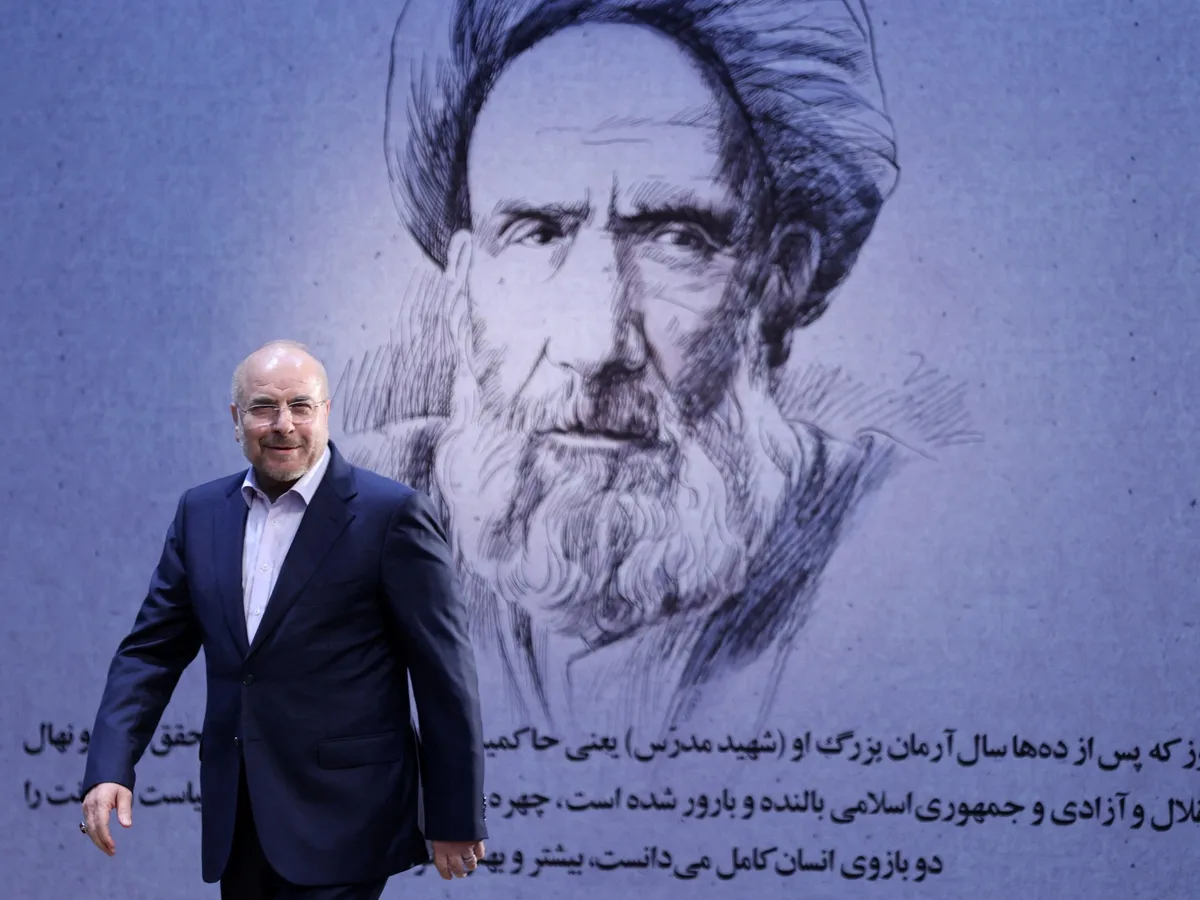
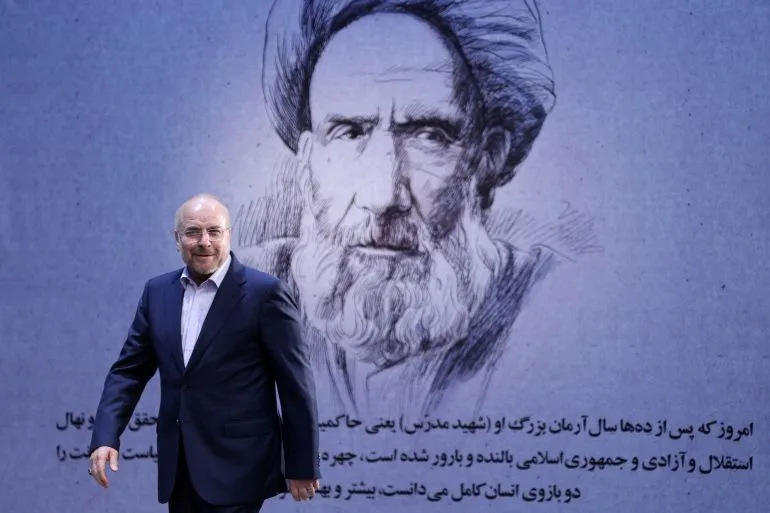
Iran’s parliament speaker Mohammad Bagher Ghalibaf accused Israel of war crimes and blamed the US for violating the ceasefire through its support, saying, "Every choice has a price, and the bill comes due. It will all fall into place" [5]. Iran also demanded a ceasefire including Lebanon as a precondition for resuming negotiations with the US [1, 2, 3, 5].
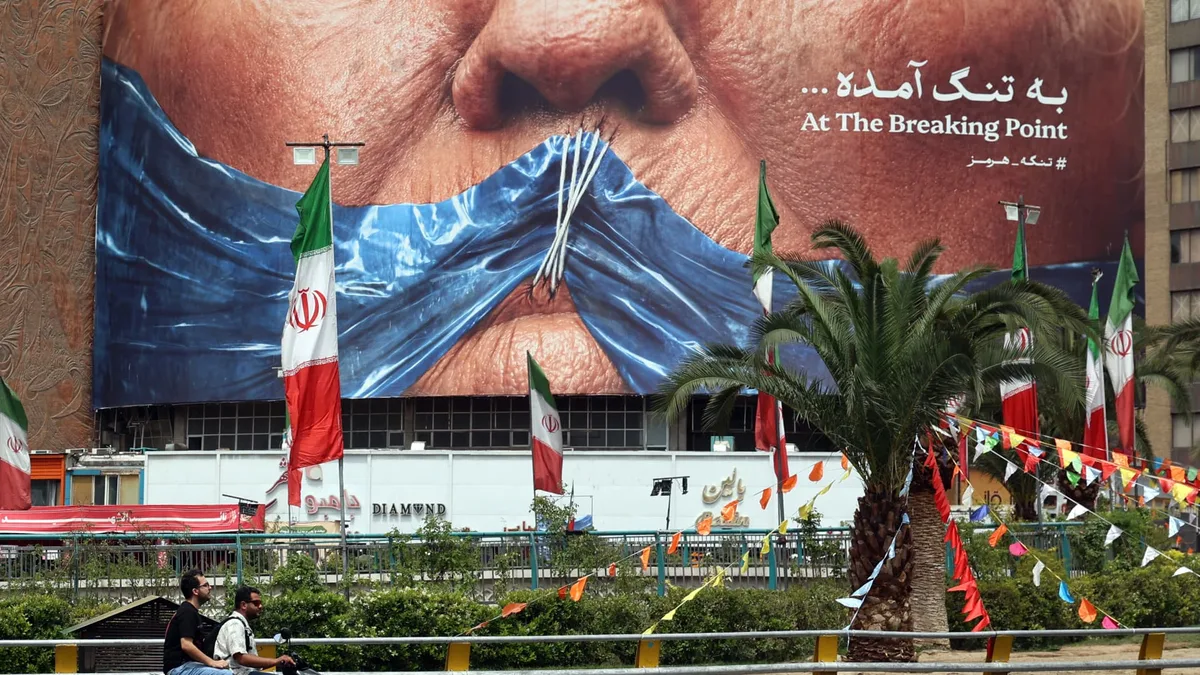
In addition, Iran threatened a full blockade of the Strait of Hormuz, a critical shipping route for global oil and gas exports, in retaliation for ceasefire violations and Israeli attacks. Mohsen Rezaei, advisor to Iran’s supreme leader, said, "The Strait of Hormuz is under Iran’s management. We will not allow the continuation of the naval blockade, nor will further escalation in Lebanon be tolerated" [1, 2, 3, 4, 8]. The threat triggered a surge in oil prices, with Brent crude climbing to around $97.44 per barrel and West Texas Intermediate futures jumping to $94.27 per barrel [1, 3, 4, 6, 11].
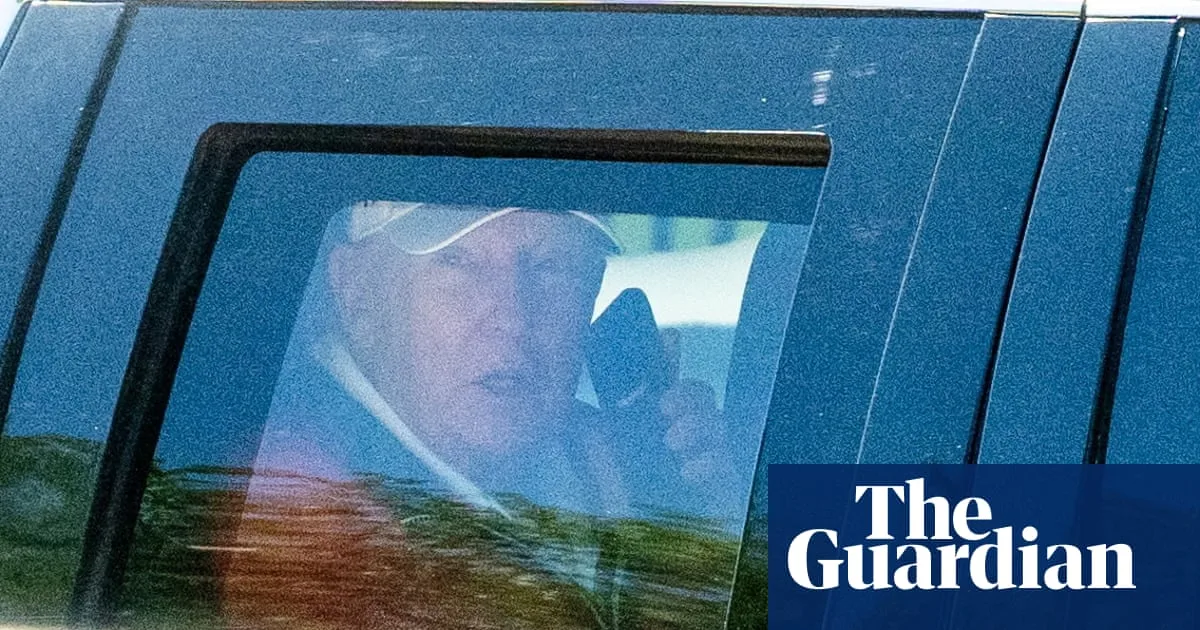
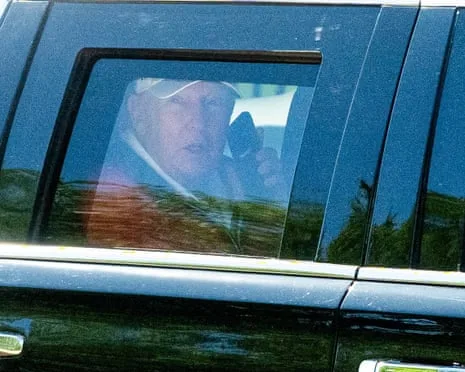
The conflict escalated after US and Israeli strikes began targeting Iran and its proxies in the region on February 28, 2026, killing thousands mainly in Iran and Lebanon [1, 3, 5]. A ceasefire was declared in April but fragile. The US president at the time, Donald Trump, sharply rebuked Israeli Prime Minister Benjamin Netanyahu in a profanity-laced call on June 1 over planned bombardments of Beirut suburbs. Netanyahu reportedly agreed to postpone those attacks afterward [7, 12, 9]. Trump said, "I was a little bit perturbed at his constantly fighting with Lebanon. At some point I said, 'Bibi, we've got to stop this'" [12].
Iran and its allies including Hezbollah, Houthis, and Shiite groups in Iraq have discussed opening new fronts of conflict, including at the Bab el-Mandeb Strait, to retaliate against Israel and its supporters [1, 2, 3]. Iran warned northern Israeli residents to evacuate amid risk of broader conflict if Israeli attacks expand [8].
The ceasefire reached in mid-April had been extended by 45 days, but the recent attacks and suspensions have put the truce under severe strain [10]. The situation remains tense as parties await further diplomatic engagement or possible new hostilities.