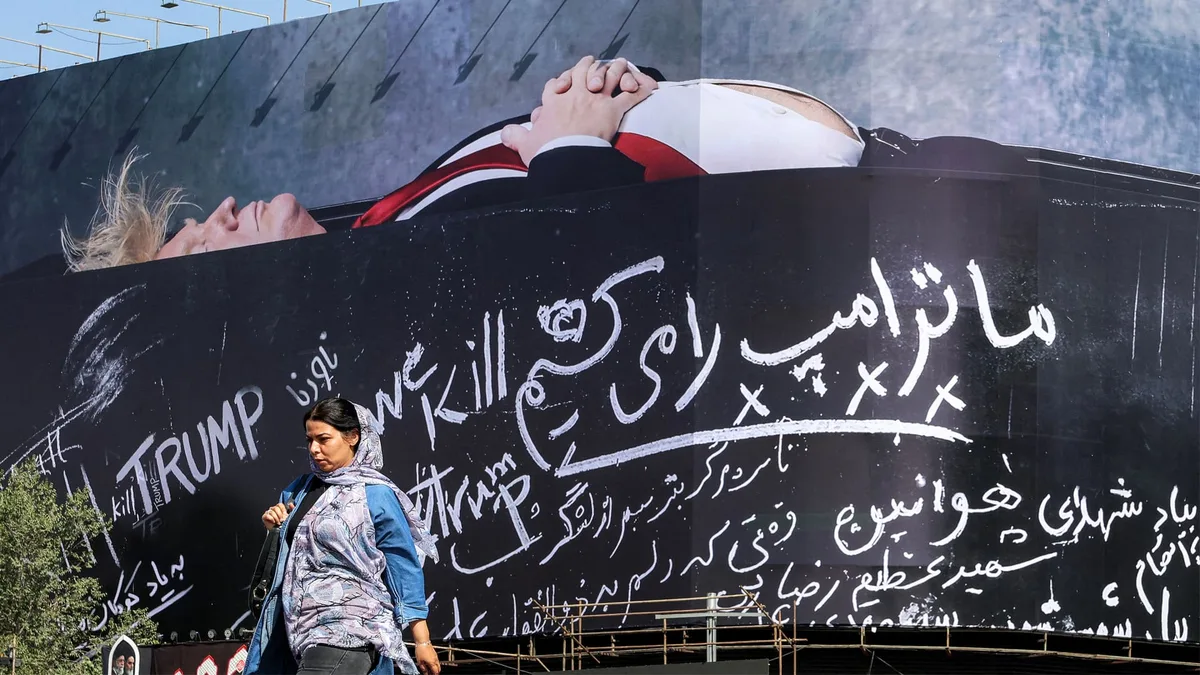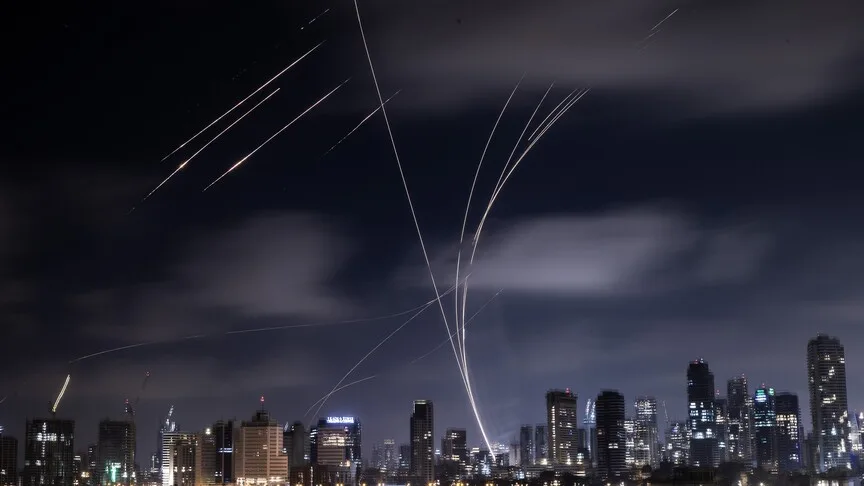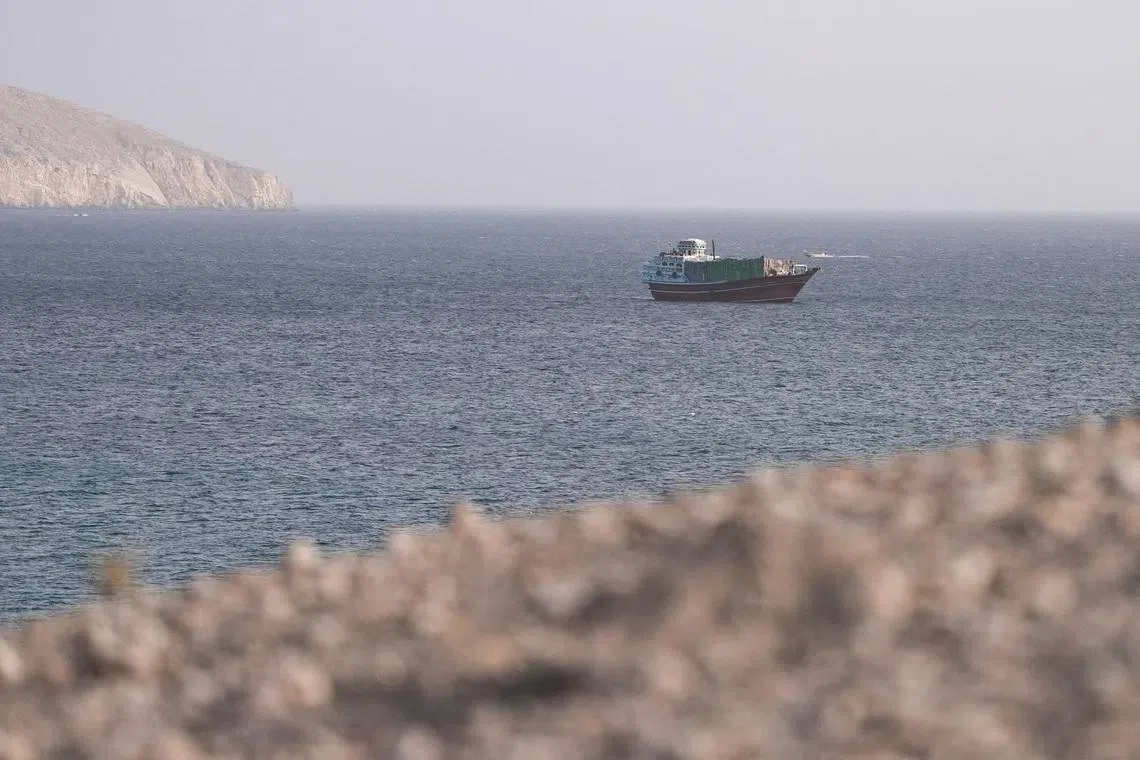
Iran declared the Strait of Hormuz an inviolable "red line" and vowed to resist any US attempts at interference until the end, amid escalating tensions in the Gulf region [1, 2, 3]. Iranian officials emphasized their control over the strait extends from all points of their territory, not only coastal areas or islands. Brigadier-General Mohammad Akraminia stated, "The Americans thought that by attacking some of our bases on the southern coasts of the country, they could take control of this strategic strait. However, the Islamic Republic of Iran has the ability to exert control over the Strait of Hormuz from every single point of its territory" [1].
The confrontation intensified after Iran closed the Strait of Hormuz on July 11, halting about 20% of the world's oil and gas shipments that traversed the waterway before the conflict [1]. In response, the US launched multiple attacks starting July 15 to reopen the strait. US Central Command reported striking Iranian command centers, air defense sites, missile and drone capabilities, and coastal surveillance facilities in locations including Bandar Abbas to degrade Iran's threats to commercial shipping [2].
Earlier, on July 14, President Trump threatened to target Iranian power plants and bridges unless Iran resumed negotiations, heightening the risk of direct confrontation [1, 2]. Iran responded on July 16 by warning of severe retaliation. Iranian spokesman Ebrahim Zolfaghari declared that any US strike on Iranian infrastructure would provoke "a superior blow," a response more severe and destructive than ever before. He said, "Destroy infrastructure, we will destroy whatever infrastructure remains in the region. This is Iran's unbreakable red line" [3].
An unnamed Iranian military spokesperson echoed the threat, saying ‘‘Everything that is still intact … that is, all the infrastructure in the region – will be crushed under the steel blows of the powerful armed forces of the Islamic Republic of Iran; so that no trace of them remains and it is as if they never existed in the first place’’ [2].
Speaker Mohammad Bagher Ghalibaf framed the standoff as existential, saying, "We are in an essential and existential war with America" [1].
The conflict remains focused on control of the Strait of Hormuz, a vital chokepoint for global energy supplies. Iran’s warnings raise the stakes for all Gulf countries, threatening wider destruction should US strikes target Iranian infrastructure.
The situation remains tense as American and Iranian forces maintain active operations in the area. Further developments are expected in the coming weeks surrounding control of the Strait of Hormuz and regional security.