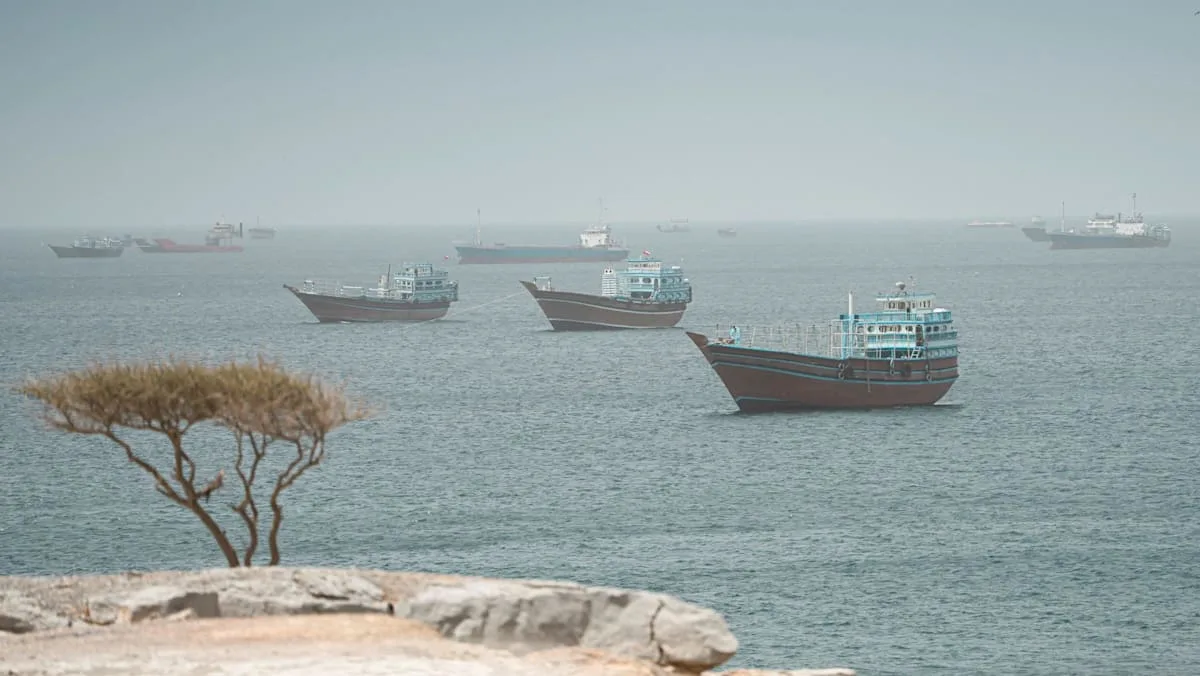
Multiple Iranian oil tankers and cargo ships successfully crossed the US Navy maritime blockade on June 16, 2026, marking a key moment ahead of a formal ceasefire signing between the US and Iran [1, 2, 3, 4, 5, 6]. Among the vessels breaching the blockade were three oil tankers and two cargo ships carrying essential supplies such as feedstock [1, 2, 3, 4, 5, 6]. One supertanker sailed from international waters toward an Iranian port, while another loaded with oil headed toward export destinations via the Arabian Sea [1, 2, 3, 4, 5].
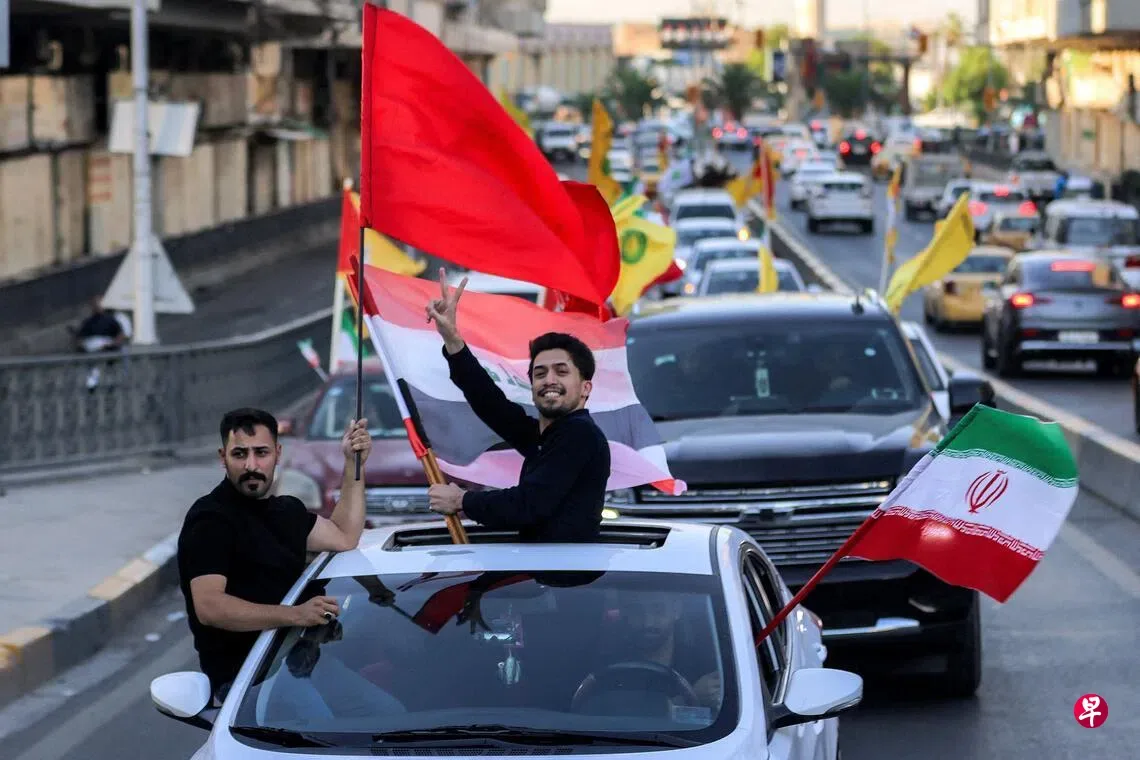
The blockade commenced after tensions escalated between the US and Iran but has faced conflicting reports about its status since a ceasefire memorandum was announced on June 14. On that date, the US and Iran agreed to end hostilities, with a formal signing scheduled for June 19 in Switzerland [1, 2, 3, 4, 5, 6]. US President Donald Trump declared the immediate lifting of the US naval blockade on Iranian ports the same day, saying, "The agreement with the Islamic Republic of Iran is complete. Congratulations! I hereby authorize free passage through the Strait of Hormuz and immediate lifting of the US naval blockade. All ships of the world, start your engines, let the oil flow!" [1, 2, 3, 4, 5, 6].
Despite Trump's announcement, UK Maritime Trade Operations and Combined Maritime Forces reported on June 15 that the naval blockade remained in effect, with some US forces reportedly ordering ships to return to Iranian ports [1, 2, 3, 4]. However, Iranian state media and national TV countered these reports, stating that the blockade was effectively lifted and Iranian tankers and cargo ships had resumed normal navigation through the Strait of Hormuz and surrounding waters [7, 8, 9, 10]. An Iranian state TV reporter noted, "Currently three Iranian oil tankers are sailing in the northern Indian Ocean, and two ships loaded with civilian goods and livestock feed are heading to southern ports. The maritime blockade lifting is already in effect" [7].
The ceasefire agreement includes an immediate and permanent cessation of military actions on all fronts, including Lebanon, and aims to fully reopen the strategic Strait of Hormuz to free maritime traffic [5, 6].
The scheduled formal signing of the ceasefire memorandum in Switzerland on June 19 will finalize the agreement and is expected to confirm the end of hostilities and maritime restrictions [1, 2, 3, 5, 6].