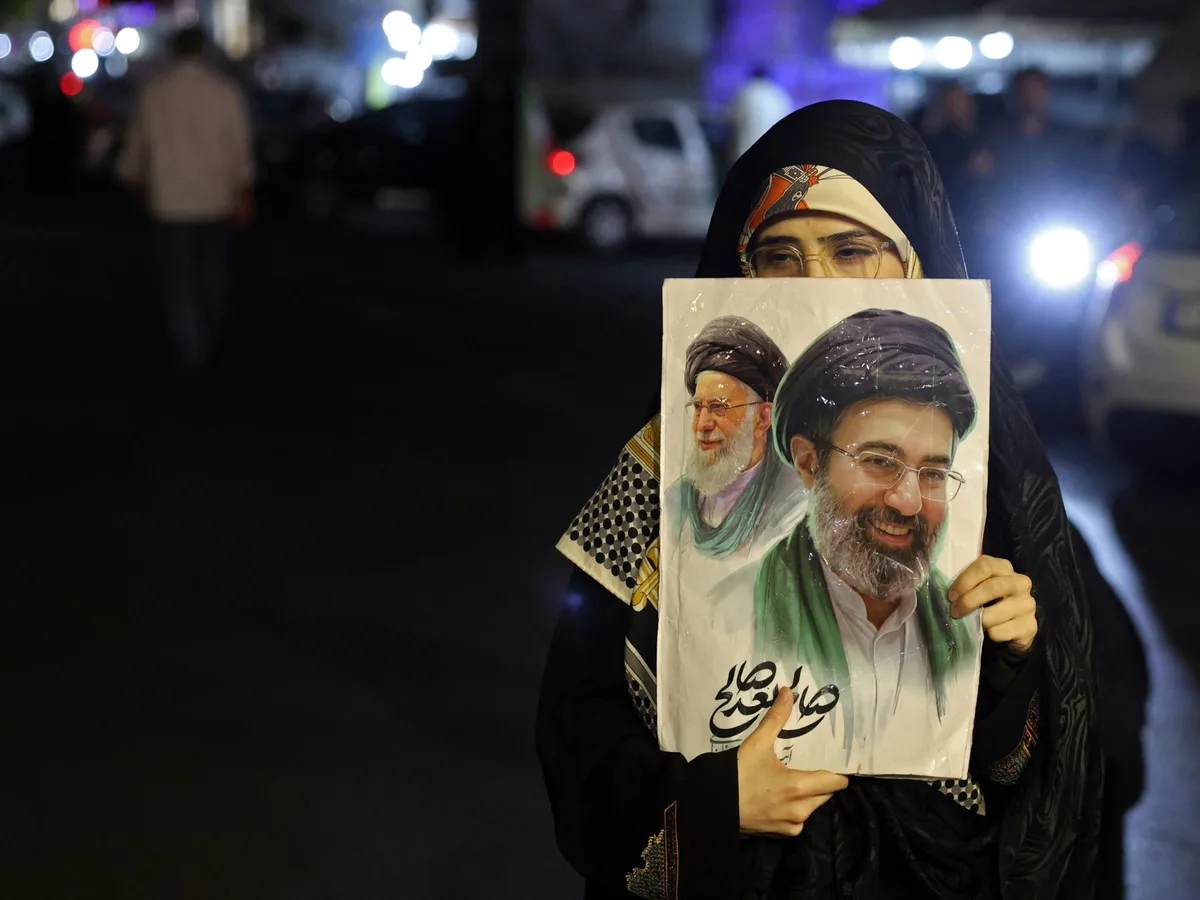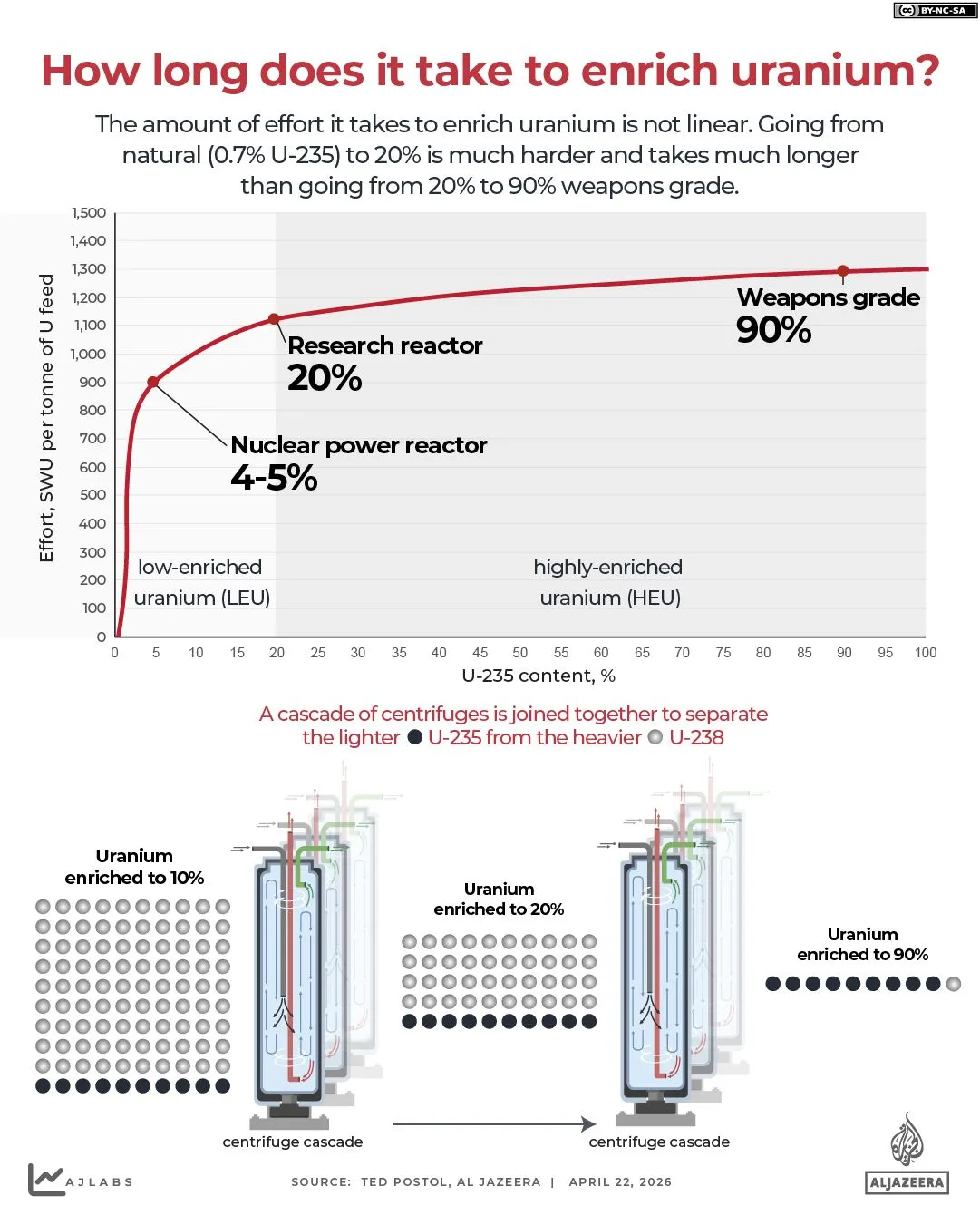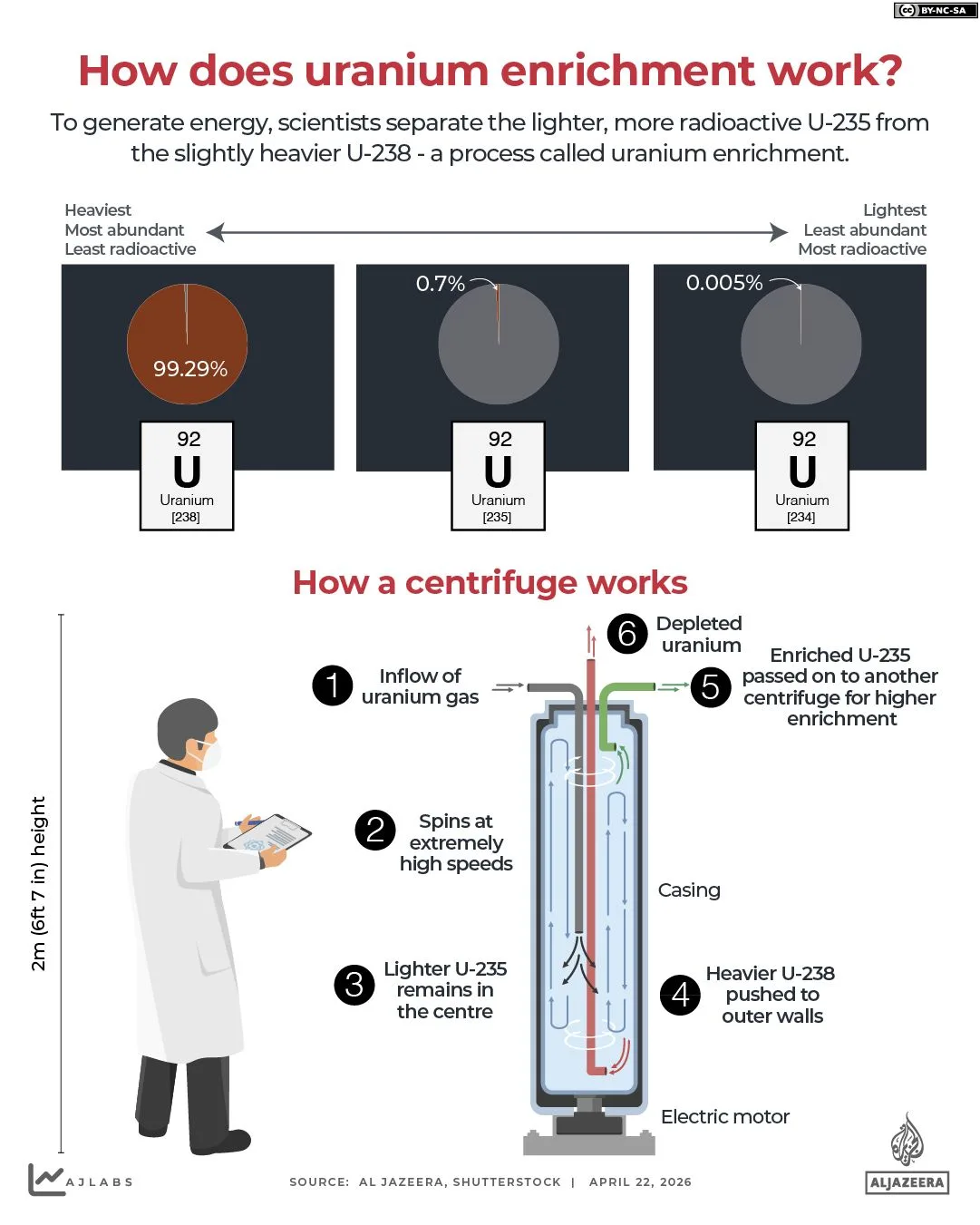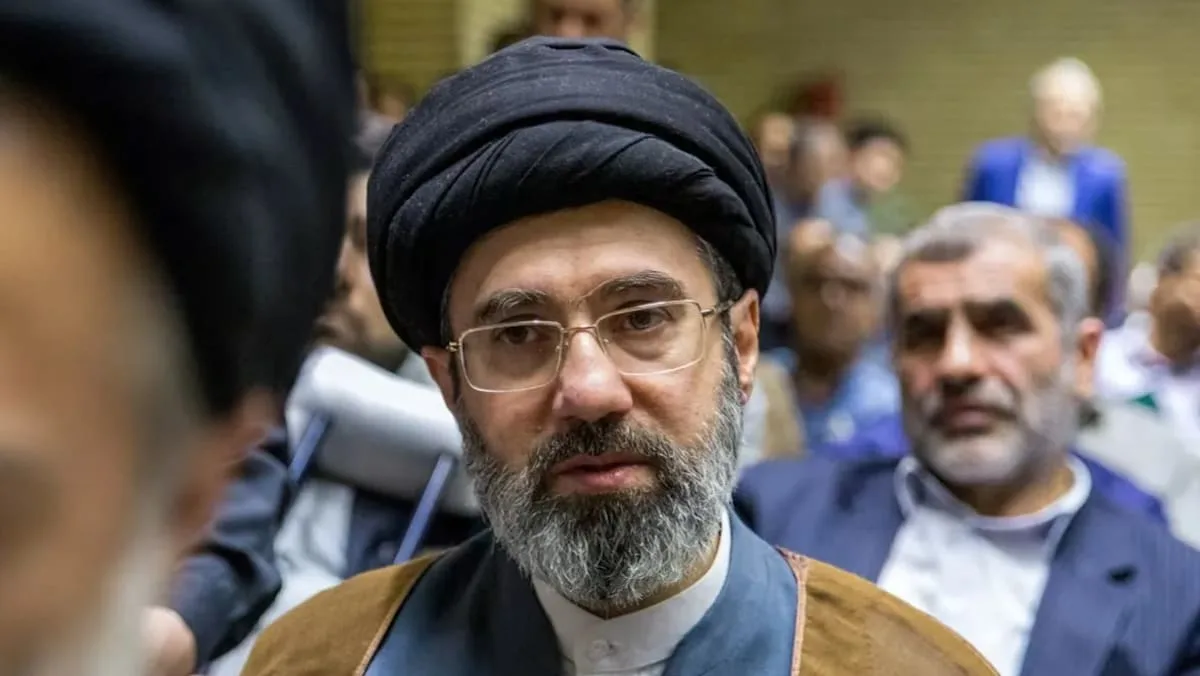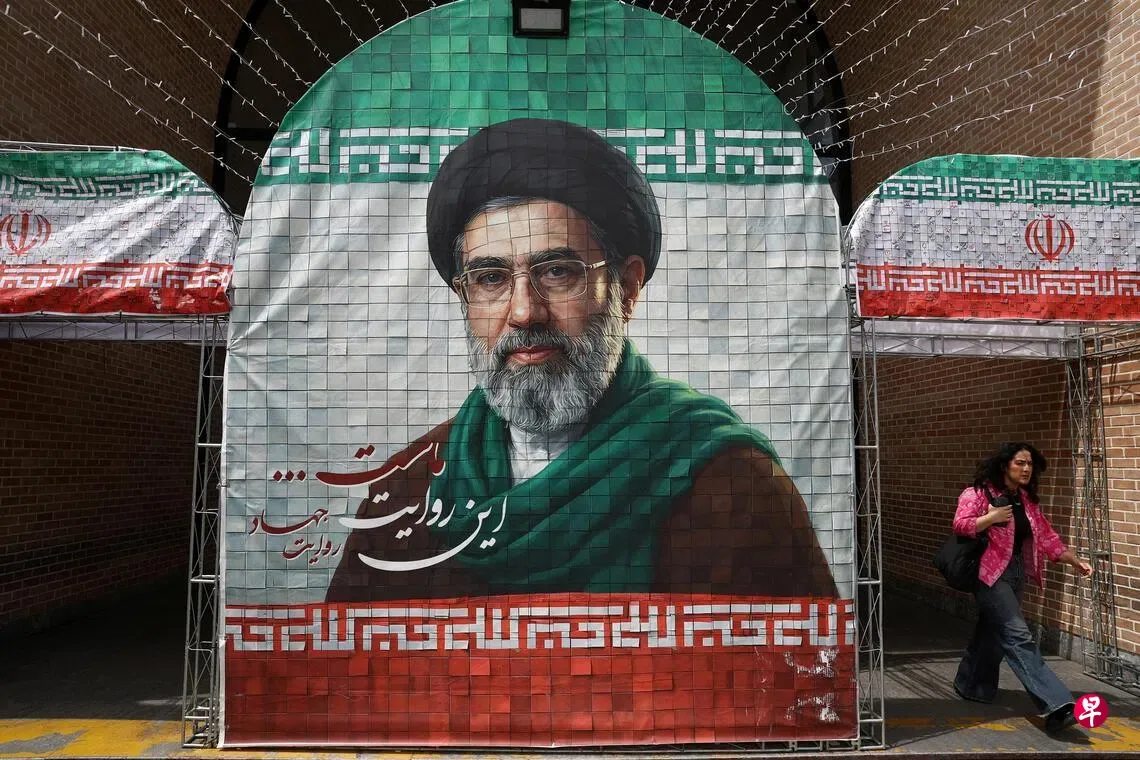
Iran’s Supreme Leader Ayatollah Mojtaba Khamenei issued a directive on May 21 forbidding the transfer of the country’s enriched uranium stockpile abroad, Reuters reported citing Iranian sources [1, 2, 3, 4, 5]. The order aims to keep Iran’s estimated 440 to 441 kilograms of uranium enriched to 60%, close to weapons-grade levels, strictly within national borders [2, 3, 6, 5]. An anonymous Iranian official said, "The Supreme Leader’s directive, and the consensus within the establishment, is that the stockpile of enriched uranium should not leave the country" [7]. Iranian officials view transporting uranium abroad as a major vulnerability to potential future US or Israeli attacks [1, 2, 8, 3, 4, 9, 10, 6]. They also suspect the current ceasefire is a US tactic to lull Iran into a false sense of security before resuming hostilities [1, 8, 10, 6].
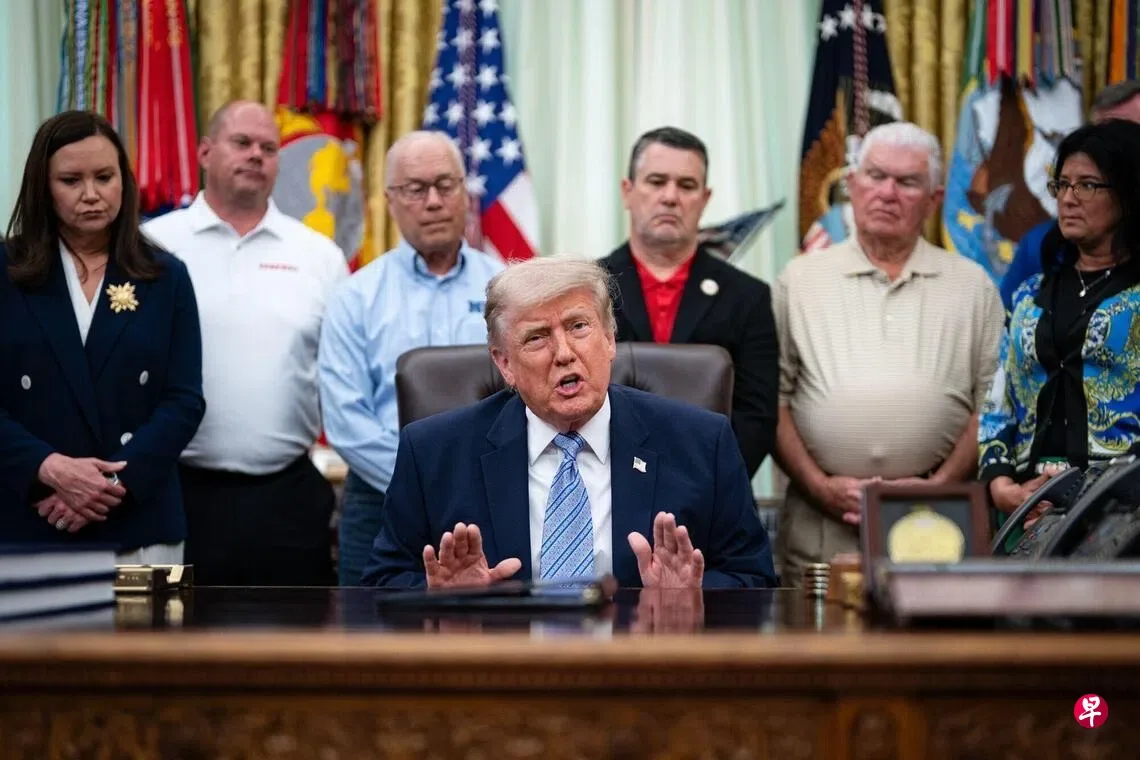
US President Donald Trump pushed back sharply on May 21, stating at a White House briefing that the US intends to obtain Iran’s enriched uranium stockpile and likely destroy it to prevent Iran from retaining it. Trump said, "We will get it. We don’t need it, we don’t want it. We’ll probably destroy it after we get it, but we’re not going to let them have it" [11]. Israeli officials said Trump assured them any peace deal would require Iran to send its highly enriched uranium out of the country [1, 2, 3, 4, 10, 5]. Israeli Prime Minister Benjamin Netanyahu said, "Only when enriched uranium is removed from Iran, Tehran stops supporting proxy militias, and its ballistic missile capabilities are dismantled, will I consider the war over" [2, 3, 4, 9, 10].
Negotiations between the US and Iran have seen some minor progress, but major disagreements persist over uranium stockpiles and enrichment rights [1, 10, 12, 5]. US Secretary of State Marco Rubio warned caution: "I don’t want to be overly optimistic… so let’s see what happens in the next few days" [12]. One proposed compromise involves diluting the uranium stockpile under International Atomic Energy Agency supervision instead of shipping it abroad [2, 3, 4, 10, 6].
The dispute also impacts regional security and global energy markets. Iran is negotiating with Oman to impose permanent tolls on ships passing through the Strait of Hormuz, a crucial route carrying about one-fifth of the world’s oil and gas supplies [5]. Trump criticized this plan, demanding "free passage" through the waterway and stating, "We want the Strait of Hormuz open, and free passage. We don’t want a toll. That’s an international waterway" [11]. Oil prices rebounded after days of decline amid the tensions, with Brent crude at $105 per barrel and WTI crude at $98.23 per barrel on May 22 [5].
The directive from Iran’s Supreme Leader and Trump’s response have further complicated ongoing peace talks. The sides are under pressure to resolve nuclear issues and stabilize the region before scheduled follow-up discussions in the coming days [12].