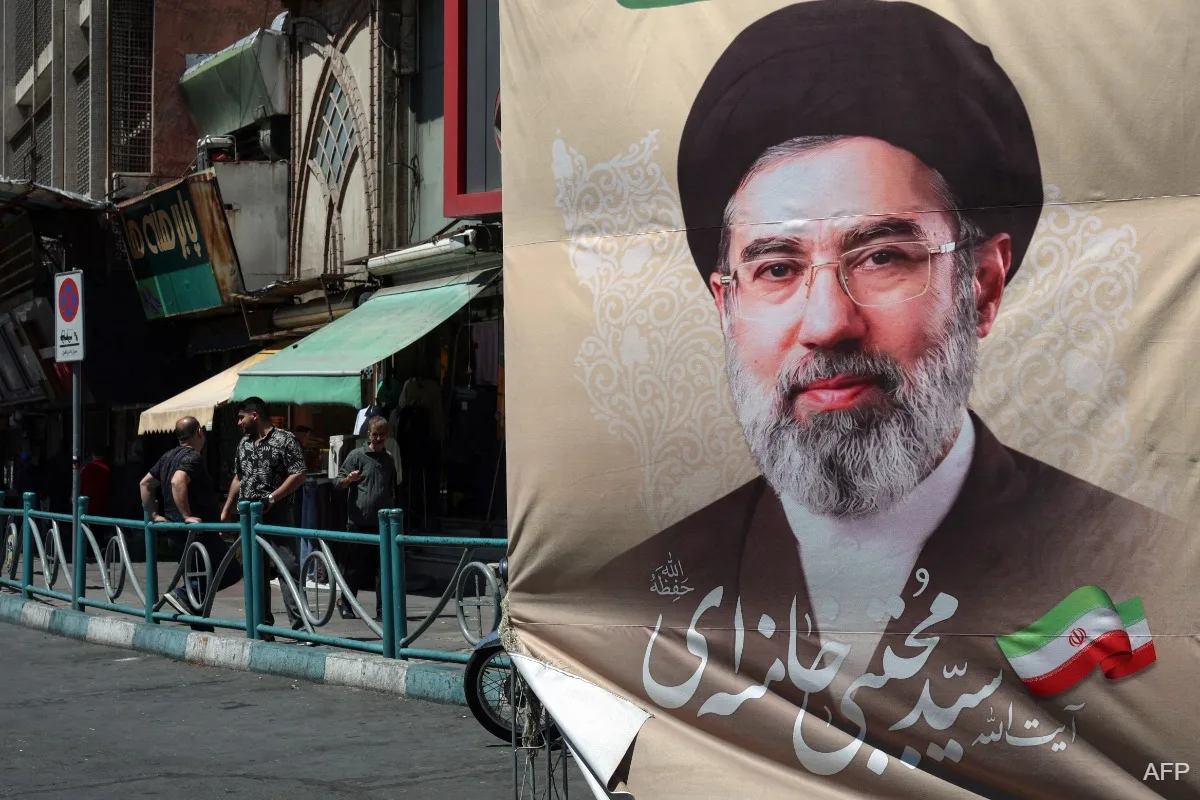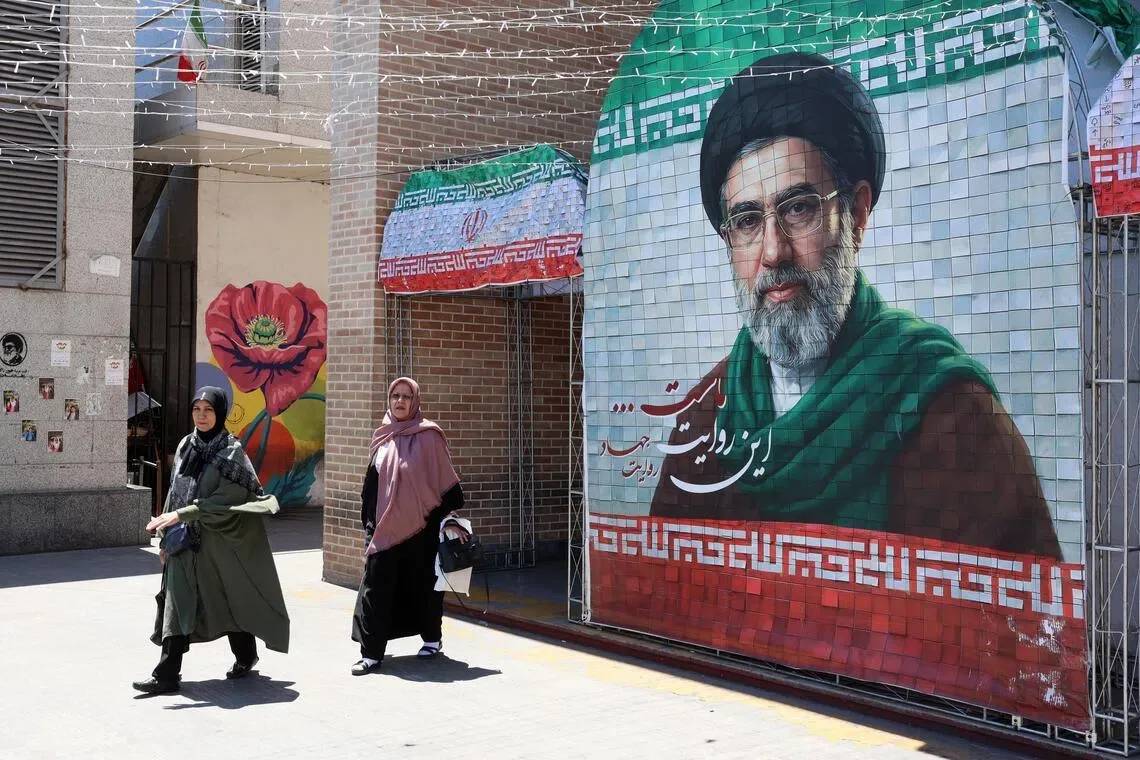
Iran’s Supreme Leader Mojtaba Khamenei declared on May 26 that the Middle East would no longer serve as a shield for US military bases in the region. "What is certain in this regard is that the hands of time will not turn backwards, and the nations and lands of the region will no longer serve as shields for American bases," he said, emphasizing a shift away from US influence [1].
Khamenei, 56, who succeeded his father Ali Khamenei after the elder Khamenei was killed in US-Israel strikes on February 28, said the US is steadily losing influence and moving away from its former status every day [1, 2, 3]. He called on Muslim nations and other regional governments to pursue shared interests and forge a new regional and global order. "I sincerely invite all Islamic countries and governments to friendship and cooperation for the common good," he added [4].
This statement came during Eid al-Adha and the climax of the Islamic Hajj pilgrimage on May 26, marking a symbolic moment for his message [1, 2, 4].
Since the US-Israel strikes on February 28 that killed Ali Khamenei, hostilities have spread across the region with sporadic attacks and counterattacks. A fragile ceasefire between Iran and the US has been in place since April 8, though tensions remain high [1, 2, 3, 4].
On May 25, US Central Command said US forces attacked missile sites in southern Iran and boats trying to lay mines, despite the ceasefire [1, 2, 3]. Iran has not officially confirmed these attacks, but state media reported blasts near Bandar Abbas at the same time [1, 2, 3].
The following day, Iran’s Revolutionary Guards claimed to have downed a US drone and fired on other aircraft attempting to enter Iranian airspace. The Guards warned the US against violating the ceasefire and said Iran reserves the right to respond in kind. "Against any violation of the ceasefire by the aggressor US military and considers its right to reciprocal response legitimate and certain," they said [1, 2, 3].
The next scheduled diplomatic development or public statement has not yet been announced, but the ongoing fragile ceasefire and regional tensions remain the backdrop to Iran’s calls for regional unity and an end to US military presence.