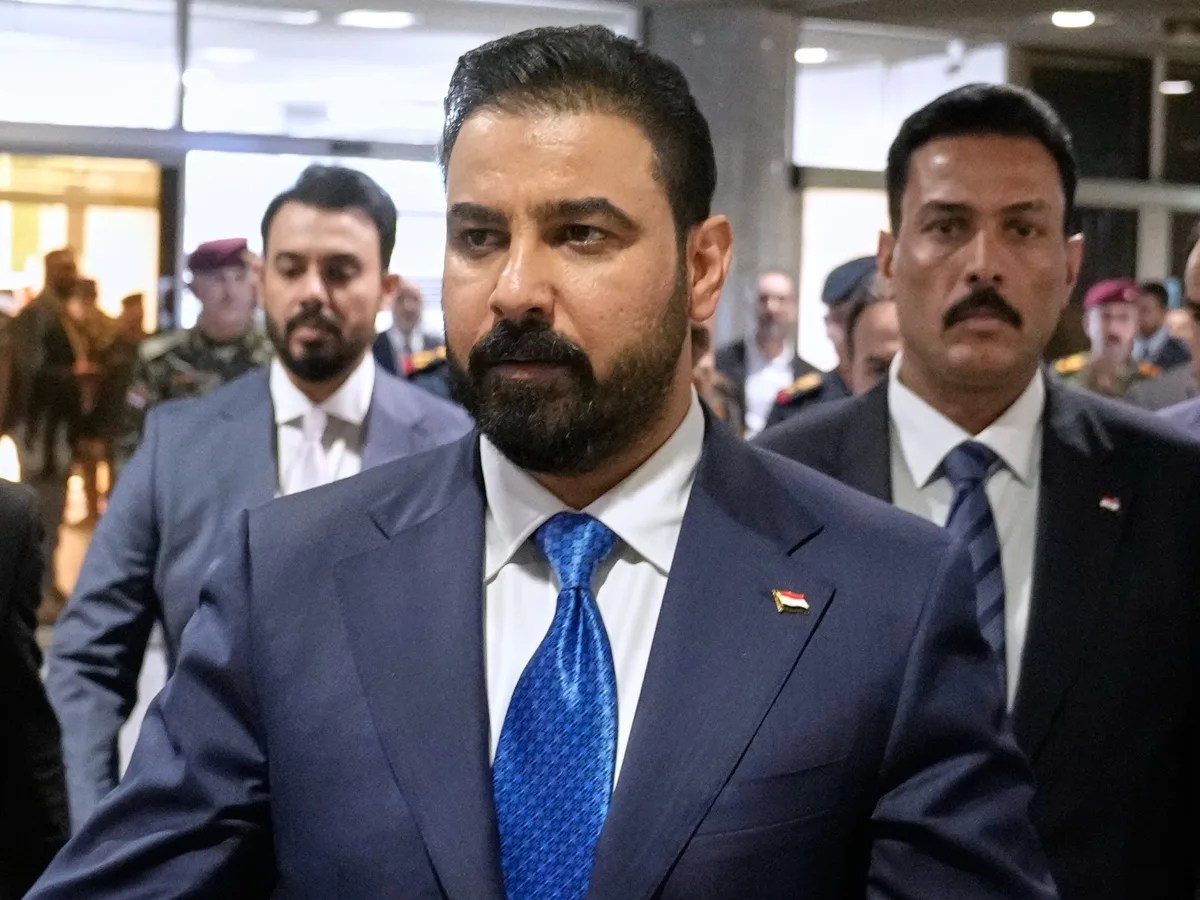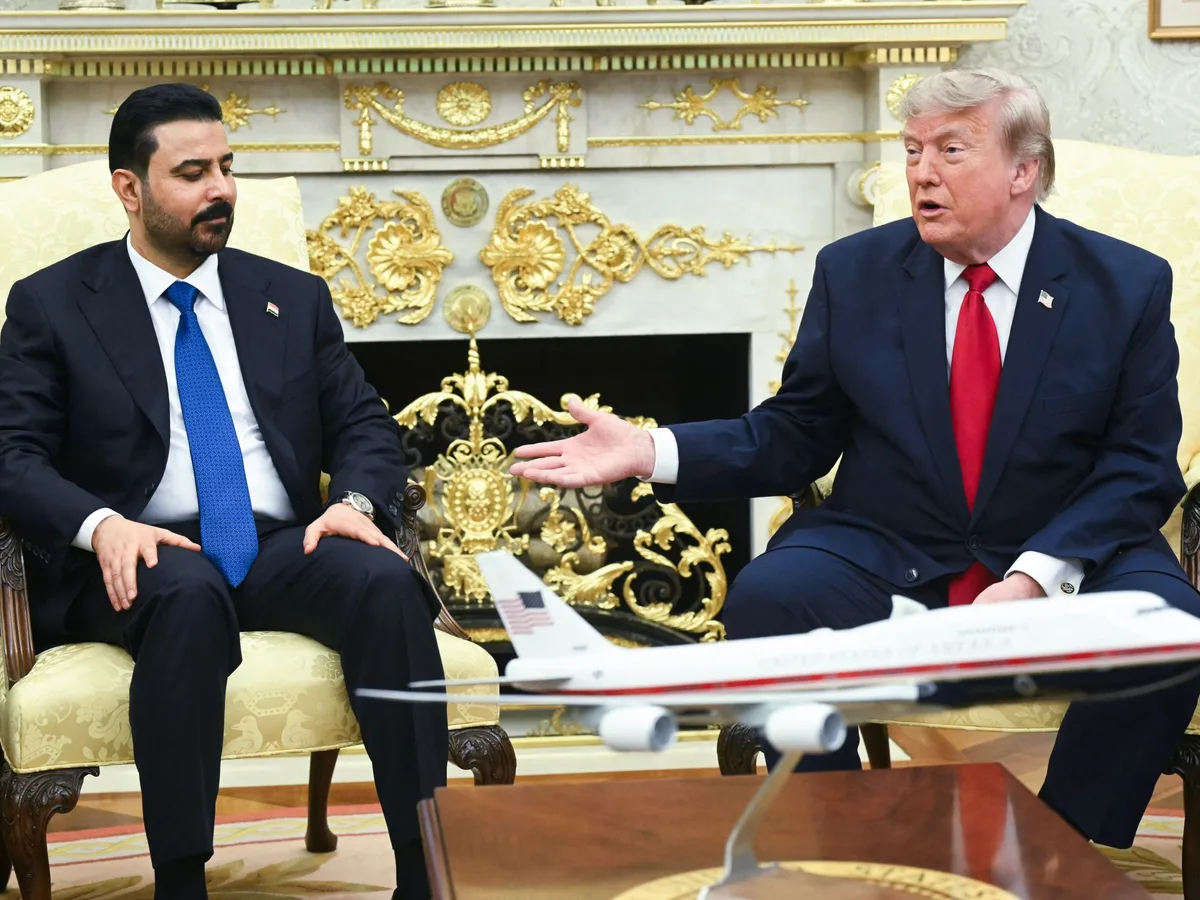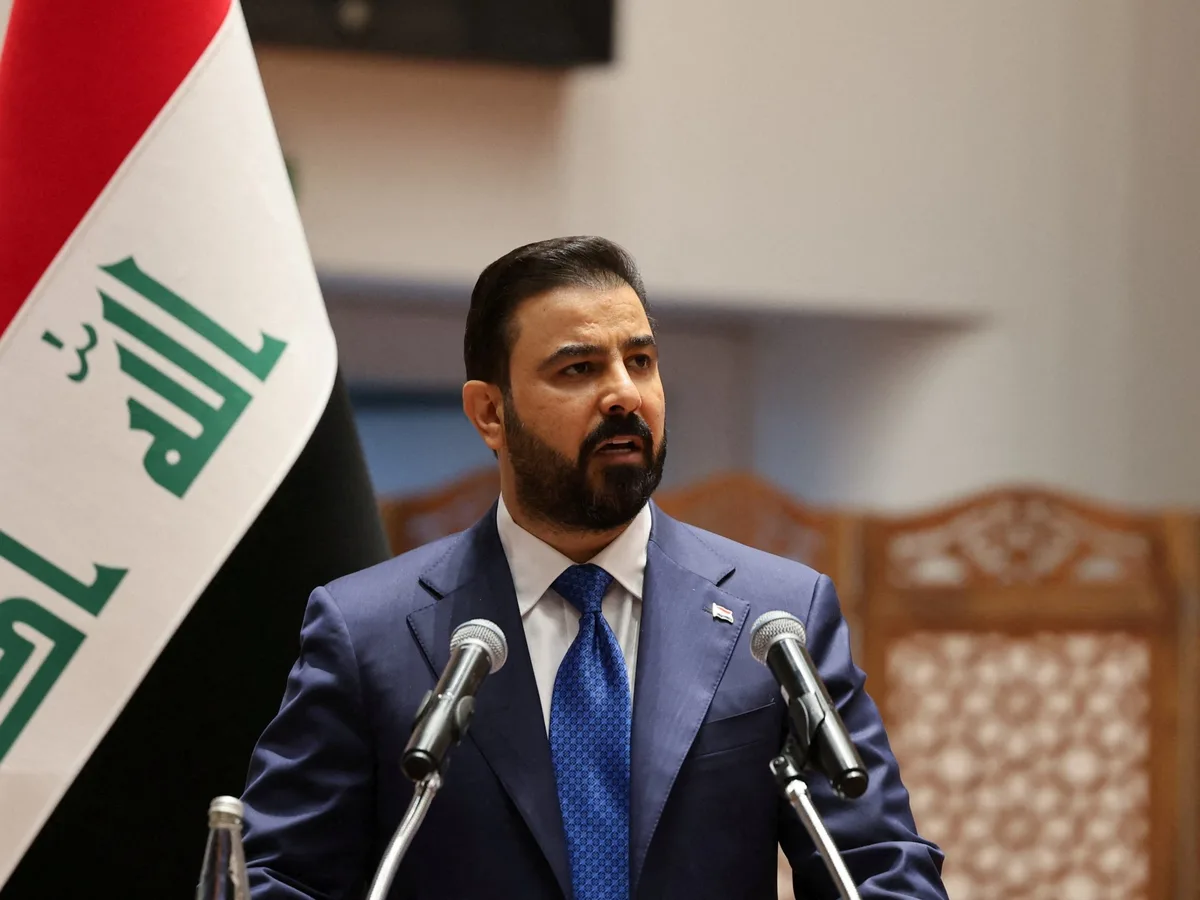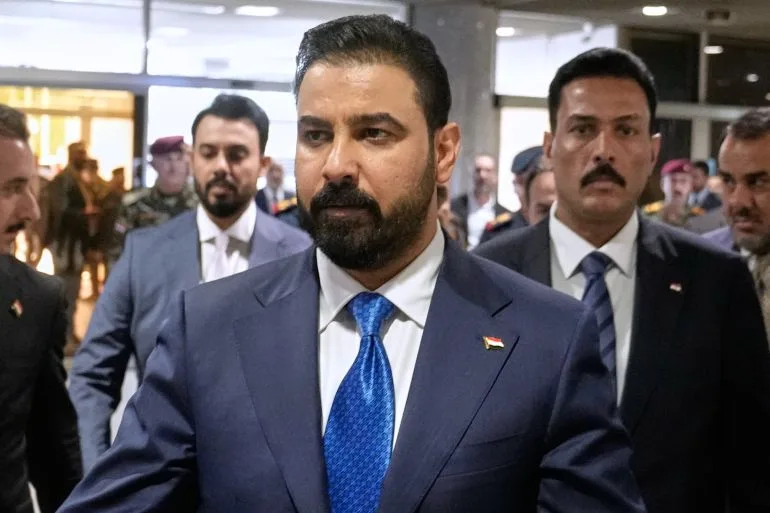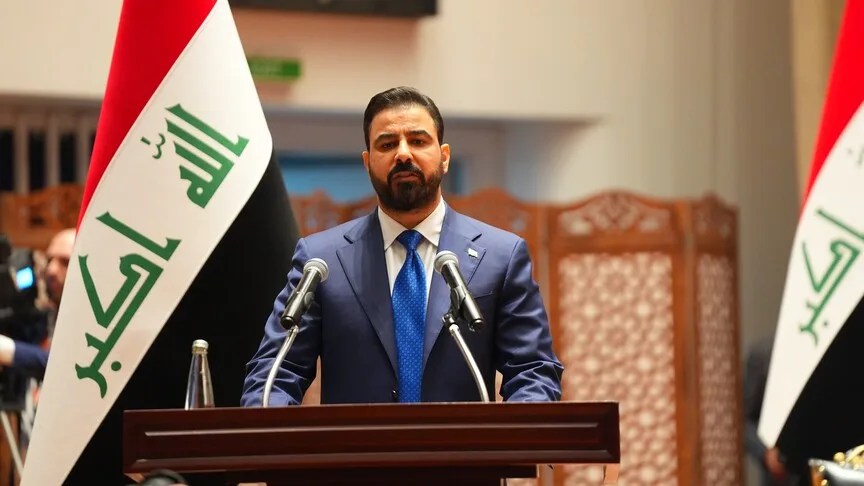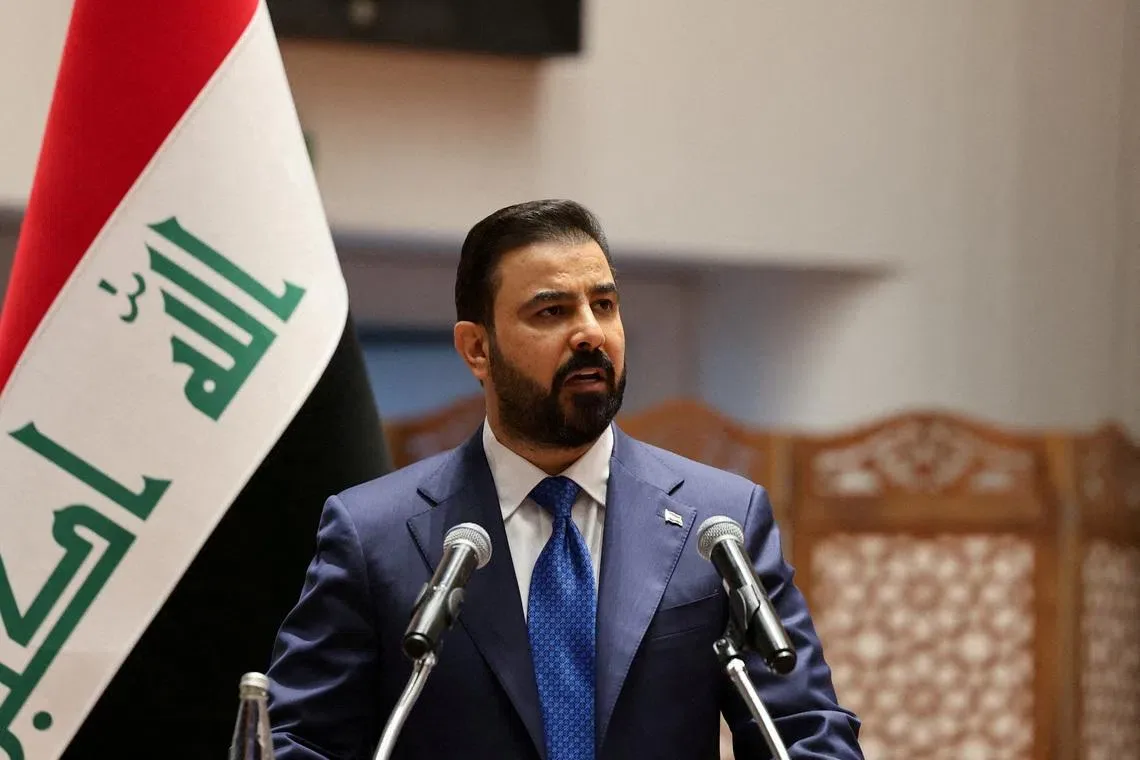
Iraqi Prime Minister Ali al-Zaidi traveled to Washington, DC, starting July 12 or 13 for his first foreign trip since taking office in May 2026 [1, 2, 3, 4, 5, 6]. He met with US President Donald Trump and other officials to strengthen strategic relations focused on economic cooperation, energy investments, and security coordination [1, 3, 7, 5, 6].
The visit aims to secure several memorandums of understanding and agreements primarily in the oil and gas sectors [1, 3, 4, 5, 6]. Iraqi government spokesman Haider al-Aboudi said, "The agreements to be signed will include several memorandums of understanding in the oil and gas sector as Iraq prepares to bring in various US companies that will provide momentum to increase oil production capacity" [1]. The government seeks to increase oil production from the current 4.5 million barrels per day to 7 million barrels per day within three years [4].
Iraq is prioritizing reputable American firms across energy, telecommunications, technology, and development sectors. Al-Zaidi said, "We have directed the Ministries of Oil, Electricity and Communications to give priority to reputable American companies working in energy, telecommunications, technology, and development" [2]. Negotiations reportedly involve US companies including Chevron, HKN Energy operating the Himreen oilfield, and General Electric for electricity infrastructure upgrades [2].
To reduce vulnerability from exporting about 90% of Iraqi oil through the Strait of Hormuz, the agreements include plans to develop alternative export routes and a proposed energy and development fund with the US. This fund would initially be structured around 500,000 barrels per day of exports, with potential growth to 2 million barrels per day [3, 4].
The visit also focused on Iraq’s efforts to bring all weapons and armed groups under exclusive state control, addressing a major US security concern [1, 3, 5, 6]. Al-Aboudi said the visit will mark a shift "from a framework of crisis management to a strategic economic partnership" between the two countries [4].
Relations have been strained due to US troop presence, Iran-backed militias, and regional tensions, but both sides seek a long-term partnership [1, 3, 4]. Al-Zaidi’s premiership has US backing, including Treasury pressure against rivals and financial leverage over Iraq’s oil revenues [7].
The Iraqi delegation included more than 70 officials, such as ministers, the central bank head, national security adviser, and lawmakers [4]. Economic experts like Abdulrahman Almashhadani note Iraq’s need for US cooperation in sectors like energy and petrochemicals but question Iraq’s ability to guarantee a safe, stable environment for US investors [4].
The negotiations and signing of agreements are ongoing, aiming to formalize energy cooperation and economic ties during al-Zaidi’s Washington visit.