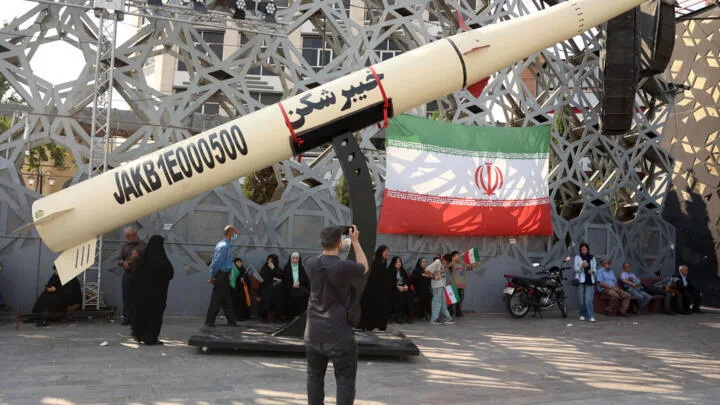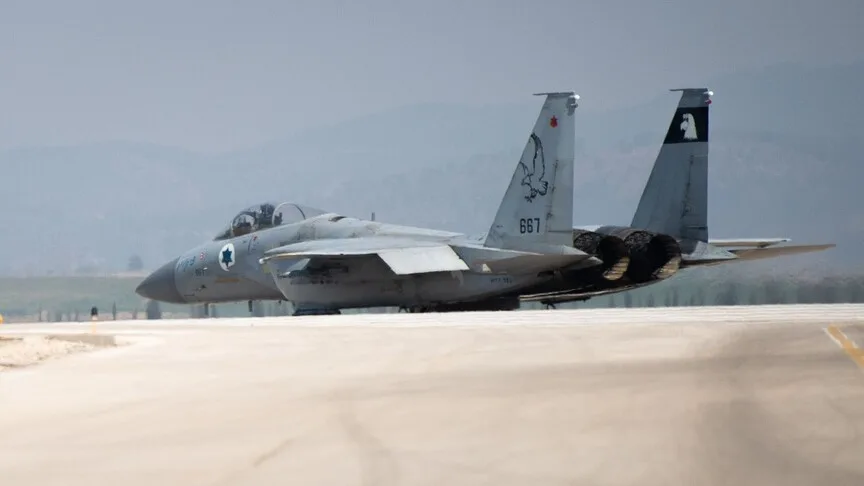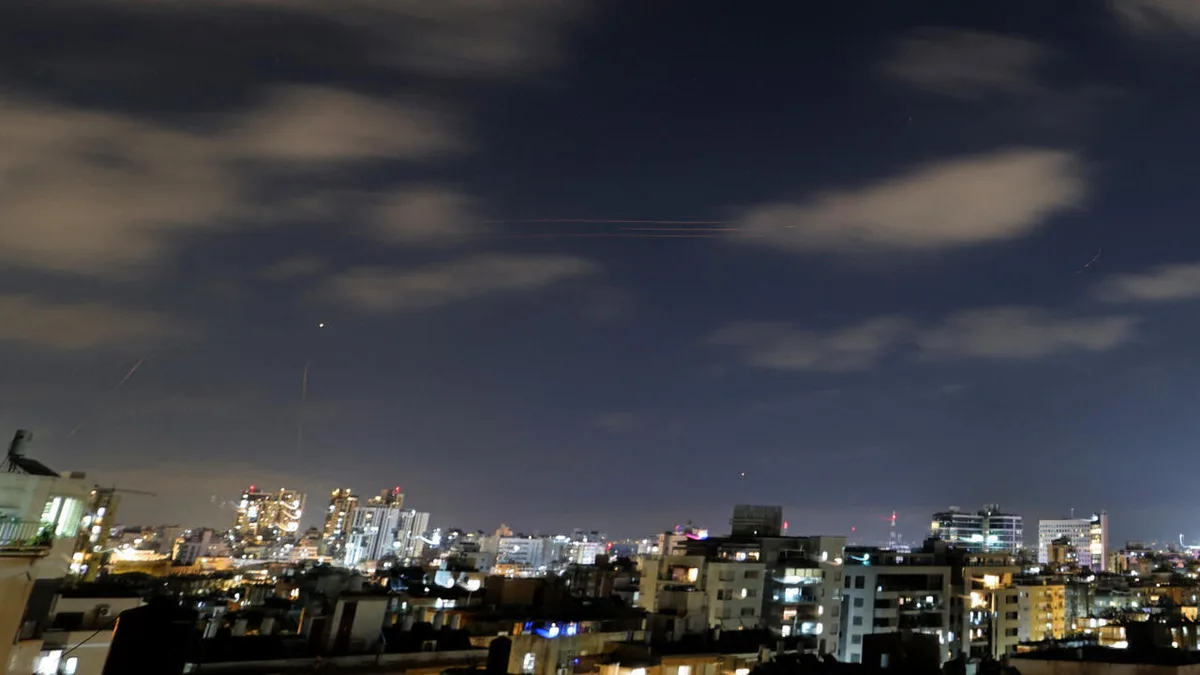
Iran launched missiles at northern Israel on June 7, 2026, marking its first strike since a fragile ceasefire in early April [1, 2, 3]. The missile fire came in response to Israeli airstrikes targeting Hezbollah positions in Beirut and a petrochemical facility in Mahshahr, Iran, which caused casualties and damage [1, 2, 4]. Casualty reports from the Beirut suburbs strike were initially 2 killed and 20 wounded, later adjusted to 2 killed and 11 injured [1, 2].
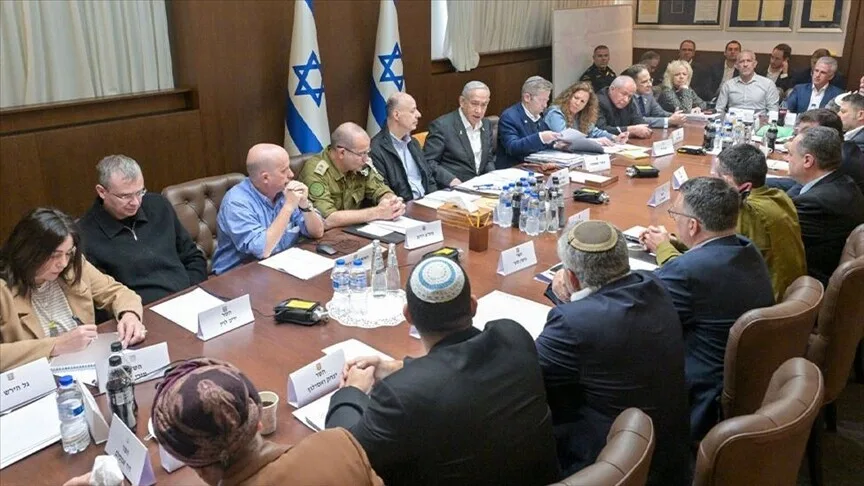
Israeli military chief Lieutenant General Eyal Zamir said the army was ready to strike Iran "with force" once it received political approval. An Israeli army spokesman said Zamir affirmed the army’s readiness to strike “the enemy” immediately after getting the green light [1, 2]. Prime Minister Benjamin Netanyahu convened further Security Cabinet meetings on June 8 to address the renewed tensions [2, 4].
The Israeli army is preparing for an extended confrontation, expecting fighting to last "several days" and moving to mobilize reserve forces amid heightened readiness [3]. The Home Front Command imposed new public restrictions, limiting gatherings to 200 people outdoors and 500 indoors with shelter access as precautionary measures [3].
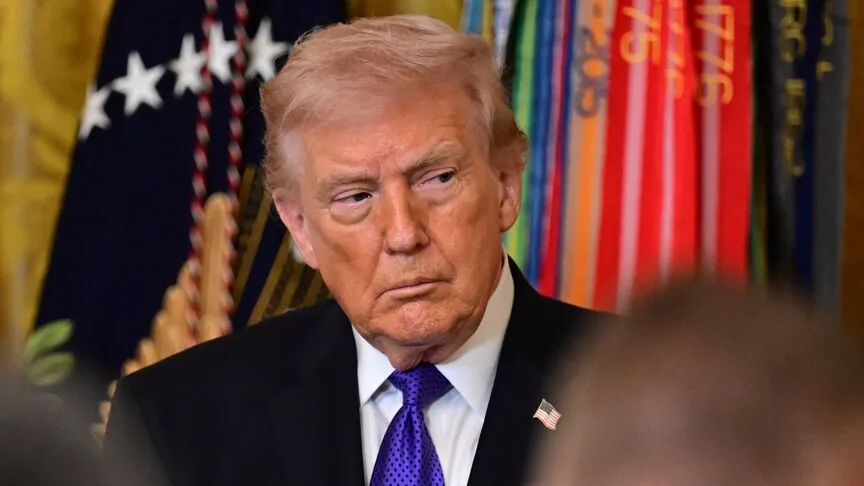
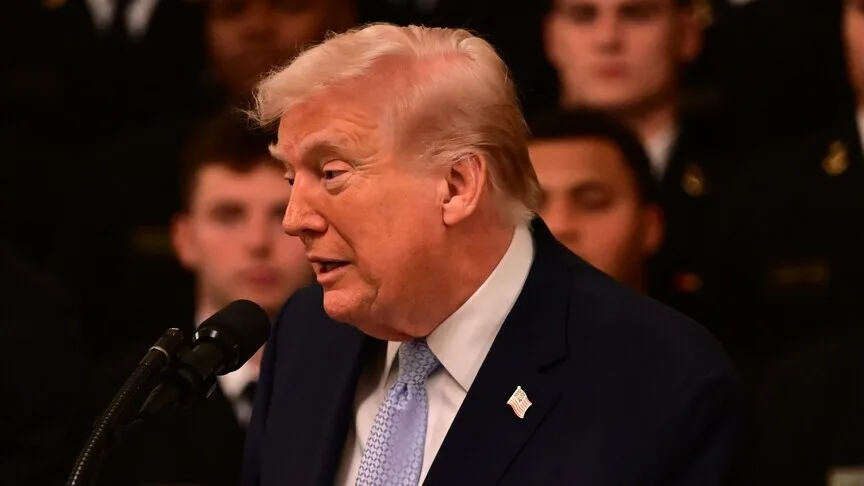
Meanwhile, US President Donald Trump warned Iran that the US would destroy its enriched uranium stockpile with or without a diplomatic deal, stating, "We’ll take it out and destroy it, whether it’s on-site or whether we take it off-site" [5]. Trump urged Netanyahu not to retaliate immediately and called for negotiations, saying, "You’ve shot your missiles, that’s enough. Get back to the table and make a deal" [2]. He also claimed to control US foreign policy decisions over Netanyahu, asserting, "He won't have any choice. I call the shots. I call all the shots. He doesn't call the shots" [6].
In the recent timeline of events, after joint US and Israeli airstrikes on Iran in late February 2026 triggered regional retaliation, a fragile ceasefire was reached on April 8 but stalled [4, 3, 1, 2]. The missile attack by Iran and the Israeli government’s response mark a significant escalation since then [1, 2, 3].
Netanyahu’s upcoming Security Cabinet meetings on June 8 will focus on further military plans and responses amid the ongoing escalation [4].