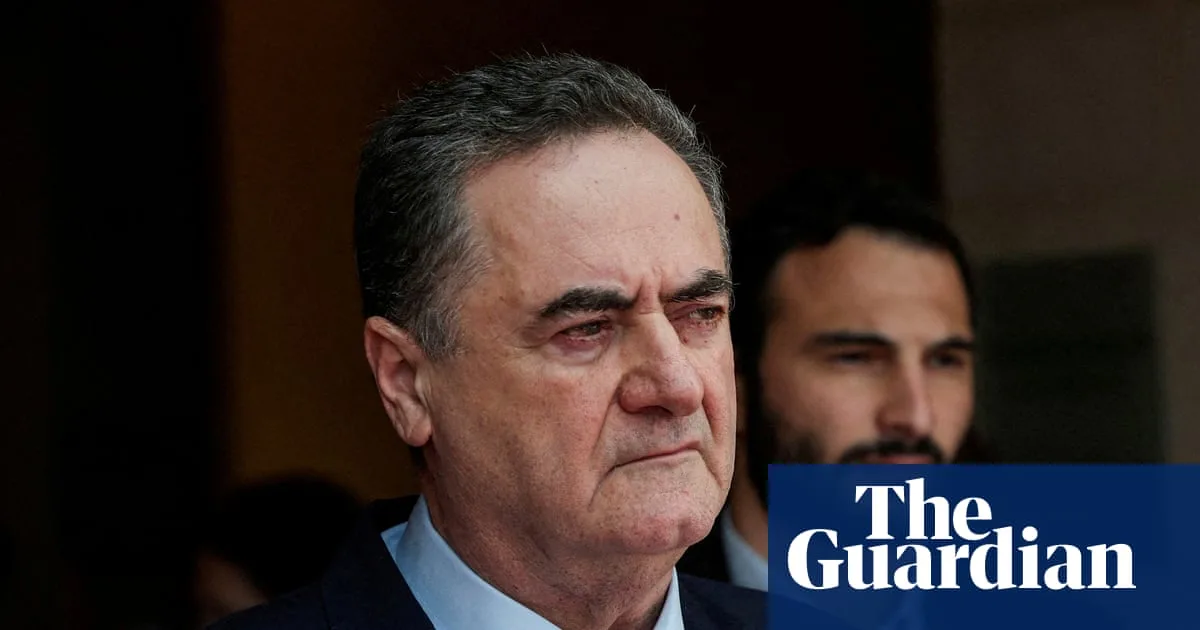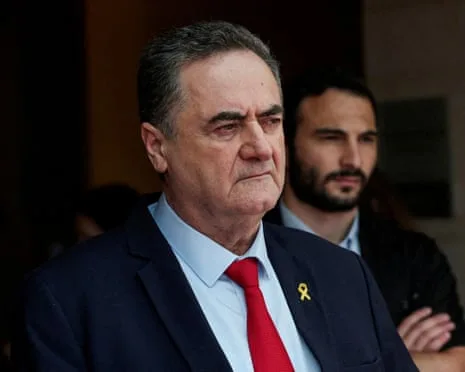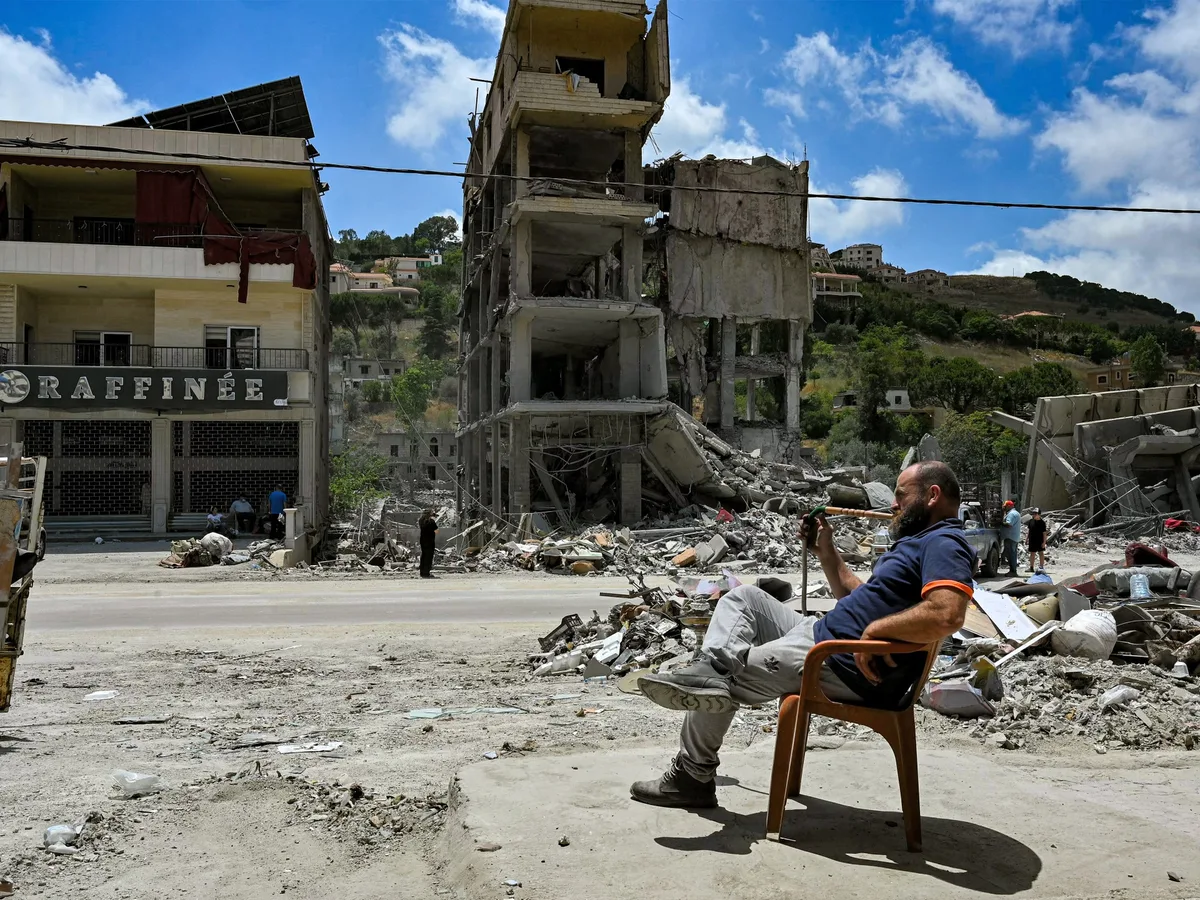
Israeli Defence Minister Israel Katz announced on June 24 that Israeli troops will not withdraw from southern Lebanon even if the US demands it. He said, "The IDF is prepared ... and we are not retreating. We announced that in any case we are not withdrawing, and as of this moment — and this is a political achievement — there is no American demand for Israel to withdraw from Lebanon" [1, 2, 3].
Prime Minister Benjamin Netanyahu confirmed Israel will remain in southern Lebanon until Hezbollah is fully disarmed. He described the Israeli presence as "a major achievement" and said, "We will maintain it as long as Hezbollah has not disarmed" [4, 5, 6].
Israeli Finance Minister Bezalel Smotrich emphasized Israel is not involved in US-Iran talks and will continue operations in Lebanon until Hezbollah is fully dismantled, not just disarmed. He stated, "We are not a party to the negotiations between the United States and Iran, and they do not concern us at all. We will continue operating in Lebanon fully... We will not withdraw not only until Hezbollah gives up its weapons, but until it is fully dismantled" [7, 8].
The US and Iran signed an initial accord last week aimed at extending a ceasefire and opening 60 days of talks toward permanent peace. The accord includes a $300 billion fund for Iran. Iranian officials link a ceasefire in Lebanon to the Israeli withdrawal from Lebanese territory, with Mohammad Baqer Ghalibaf saying, "For us, a ceasefire in Lebanon is as important as a ceasefire in Iran" [9, 1].
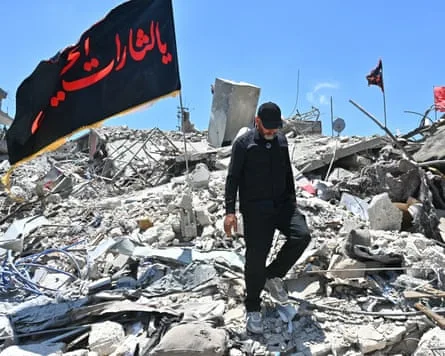
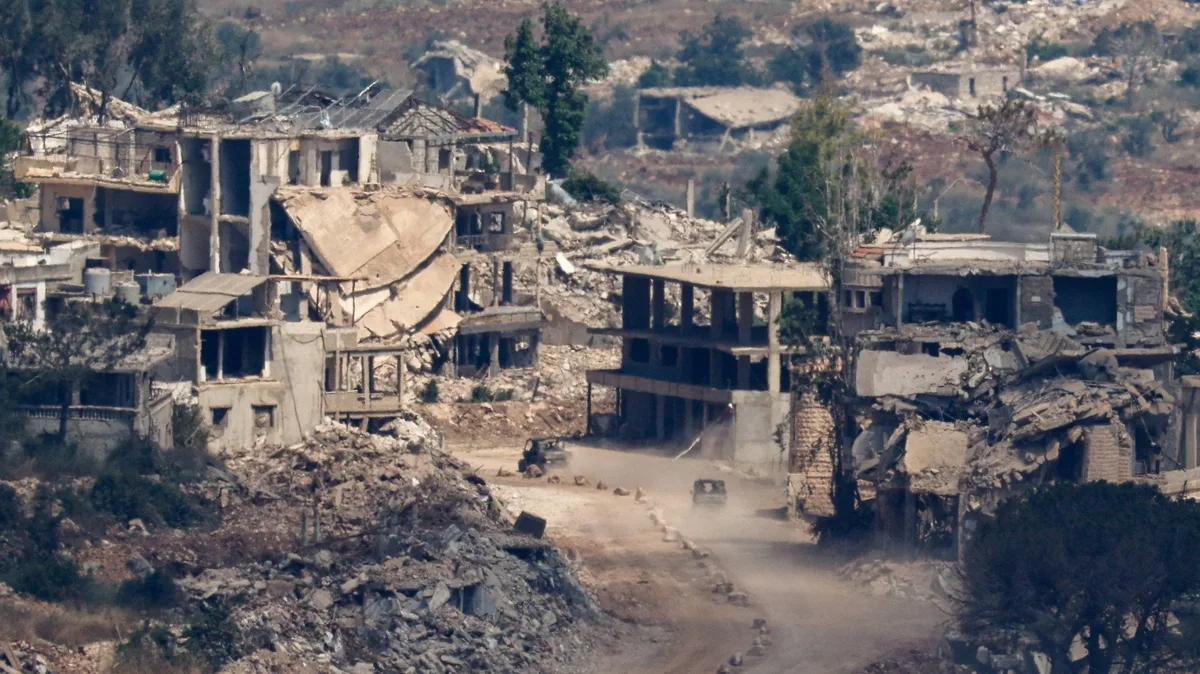
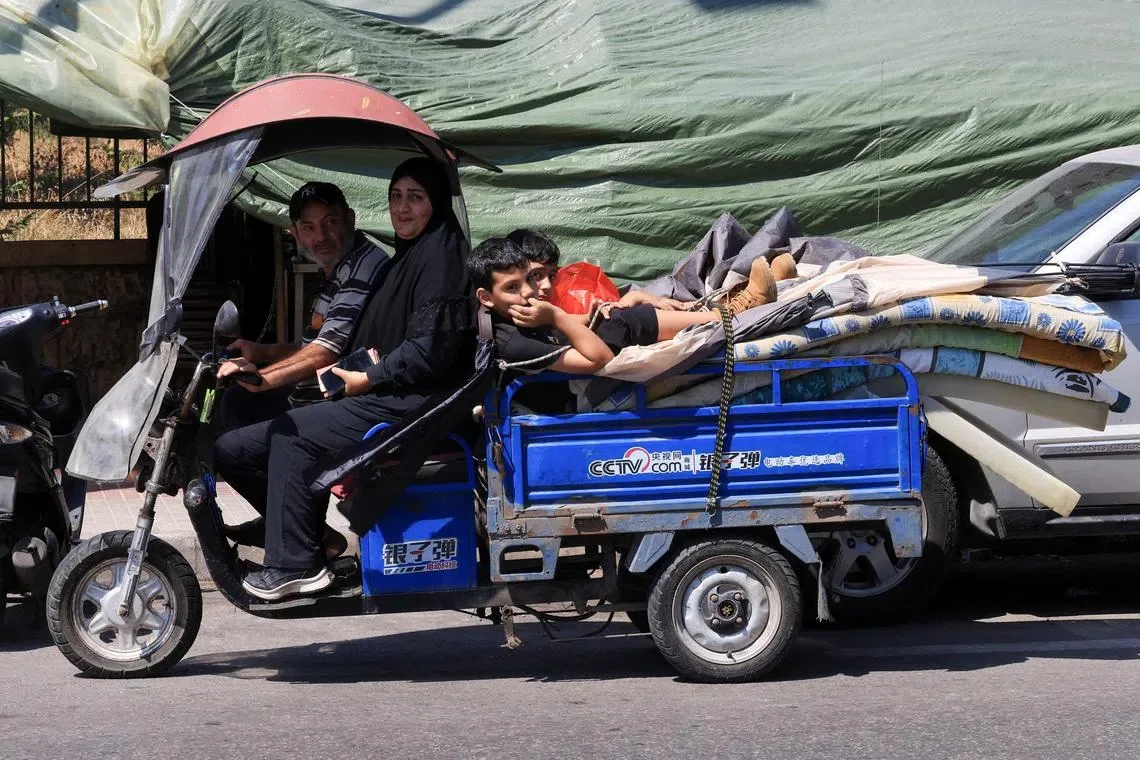
Meanwhile, Israel and Lebanon have held five rounds of US-mediated talks to arrange phased Israeli troop withdrawals based on verified Hezbollah disarmament. Yet Israeli military action, including drone strikes killing at least two people in southern Lebanon on June 24, has continued amid the talks [1, 10, 5, 6]. Over 4,200 people have been killed by Israeli strikes in Lebanon since March [1, 7].
US Secretary of State Marco Rubio toured the Middle East in support of the US-Iran deal and to protect Gulf allies, describing the effort as "the beginning of the beginning" with "a lot of work ahead" [11, 6]. He arrived in Bahrain on June 25 while Israel reaffirmed its refusal to withdraw from Lebanon [11, 6].
Despite claims by Israeli officials that there is no current US demand for withdrawal, some Israeli voices acknowledge US signaling that previous authorization for Israeli operations in Lebanon has expired, indicating indirect pressure [9, 7]. Disagreements persist over Israel’s role in the US-Iran talks, with some Israeli officials denying participation and others acknowledging indirect involvement due to the regional context [9, 1, 7].
On June 27, Israel ordered troops to prepare for an extended stay in southern Lebanon, contingent on full Hezbollah disarmament. Hezbollah publicly rejected the US-brokered deal with Israel, calling it humiliating and warning against Israeli annexation [3, 5].