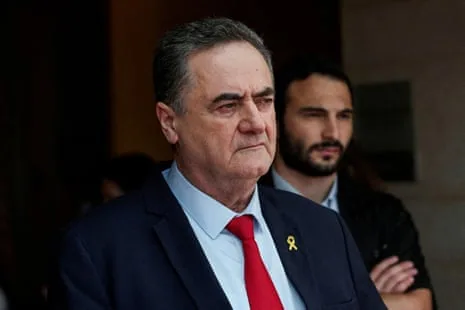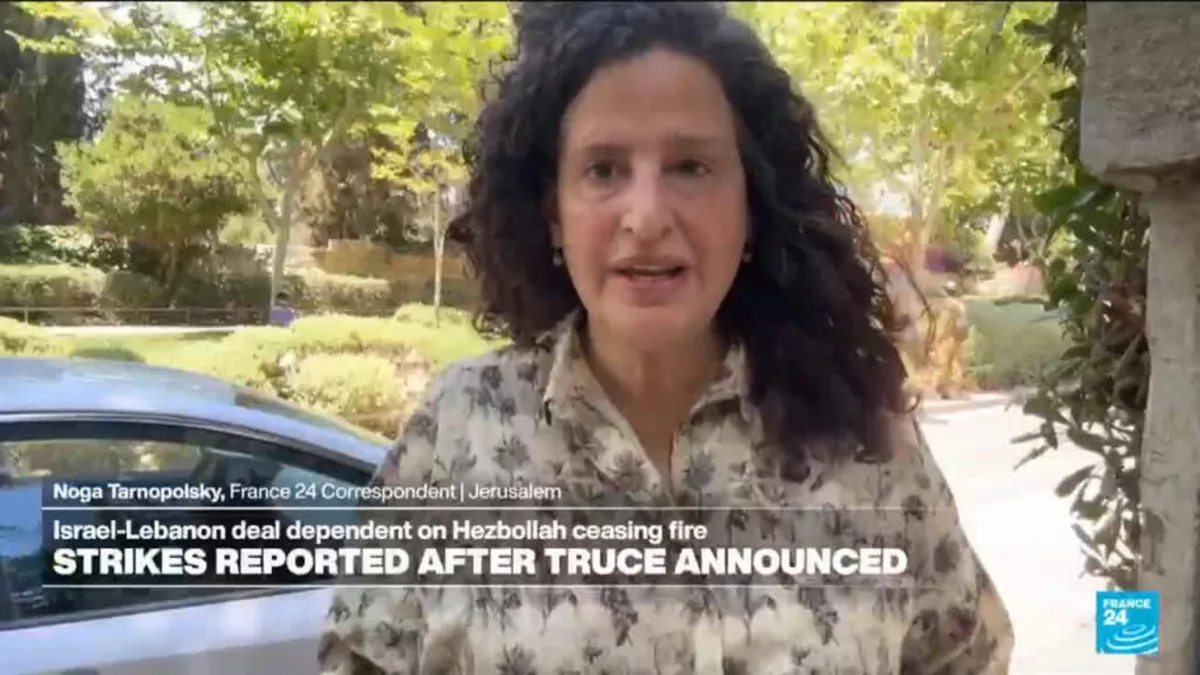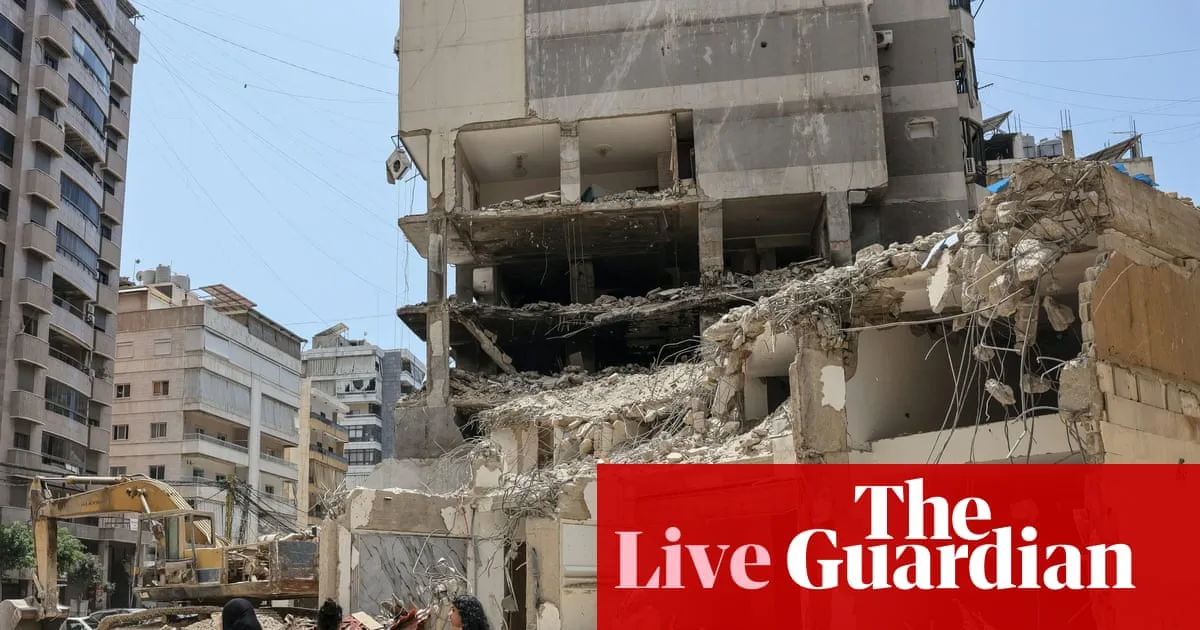
Israel’s Defence Minister Israel Katz said on June 4, 2026, that Israeli forces will continue ground operations in southern Lebanon and maintain control of a security zone including Beaufort Castle, despite a new ceasefire agreement reached the day before with Lebanon and backed by the US [1, 2, 3].
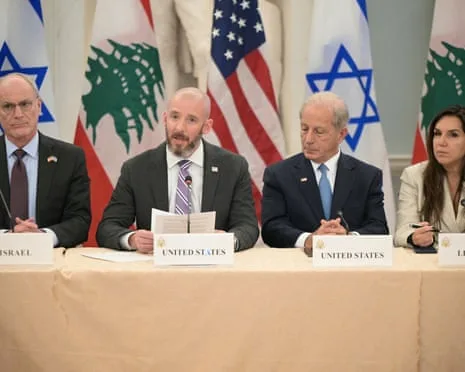
The ceasefire deal, announced on June 3, requires Hezbollah’s complete withdrawal south of the Litani River and the establishment of demilitarized "pilot" zones under Lebanese army control from which Hezbollah fighters would be banned [1, 2, 3]. Katz stressed the ceasefire is conditional on Hezbollah’s full removal from these areas. He said, "The ceasefire is conditional on first removing Hezbollah operatives from the entire area south of the Litani River and establishing a demilitarized zone" [3].
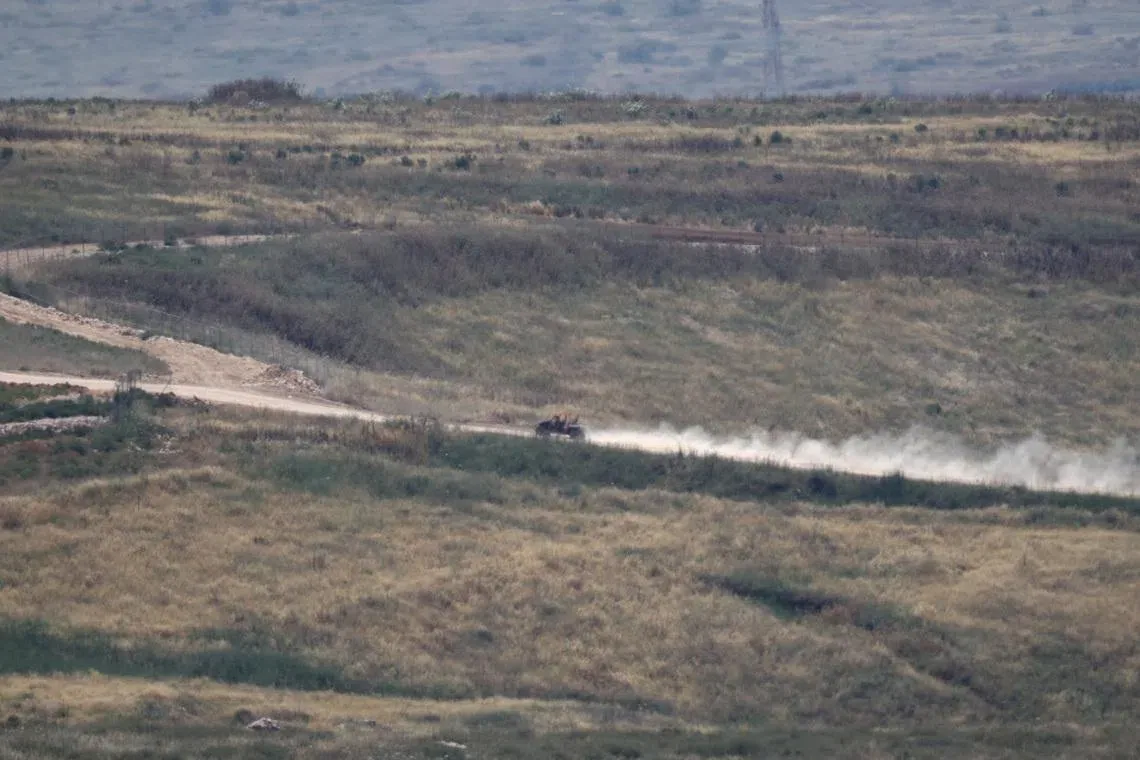
While agreeing with Lebanon on the ceasefire terms, Katz affirmed the Israeli military’s intent to keep dismantling Hezbollah’s infrastructure. He stated, "The IDF will, at this stage, continue its fire and ground operations, remain in the security zone in Lebanon up to the yellow line – including in the Beaufort area – and without the return of the population, while continuing to dismantle terrorist infrastructure on the ground" [2]. Israel will also retain the freedom to strike Hezbollah targets in Beirut if attacked on Israeli territory [1, 2, 3].
The conflict has severely affected civilians. Since the Israeli offensive began on March 2, 2026, over 3,500 people have been killed in Lebanon and more than 10,600 wounded. Over 1 million Lebanese have been displaced, with no immediate plans to allow displaced civilians to return [3, 1, 2].
Israeli army spokesman Avichay Adraee warned residents to avoid travel south of the Zahrani River, citing ongoing fighting and threats to life. He said, "Fighting in southern Lebanon is ongoing, and the Israeli army continues to target Hezbollah facilities and infrastructure located in and near your villages" [2, 3].
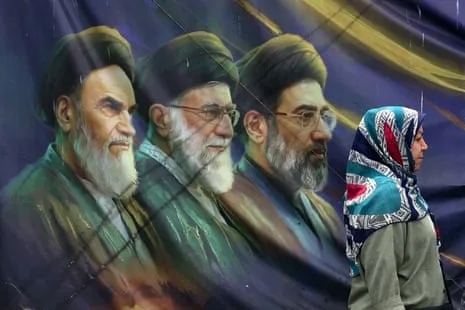
Hezbollah has rejected the ceasefire agreement and refused to participate in related negotiations. A Hezbollah official stated, "We will not accept a partial ceasefire" [2].
The conflict timeline shows Israel’s large-scale offensive started on March 2, 2026. Previous ceasefire agreements were reached in April and extended in May 2026. The latest US-backed ceasefire between Israel and Lebanon was agreed on June 3, 2026, but Israel announced ongoing operations the following day [3, 1, 2].