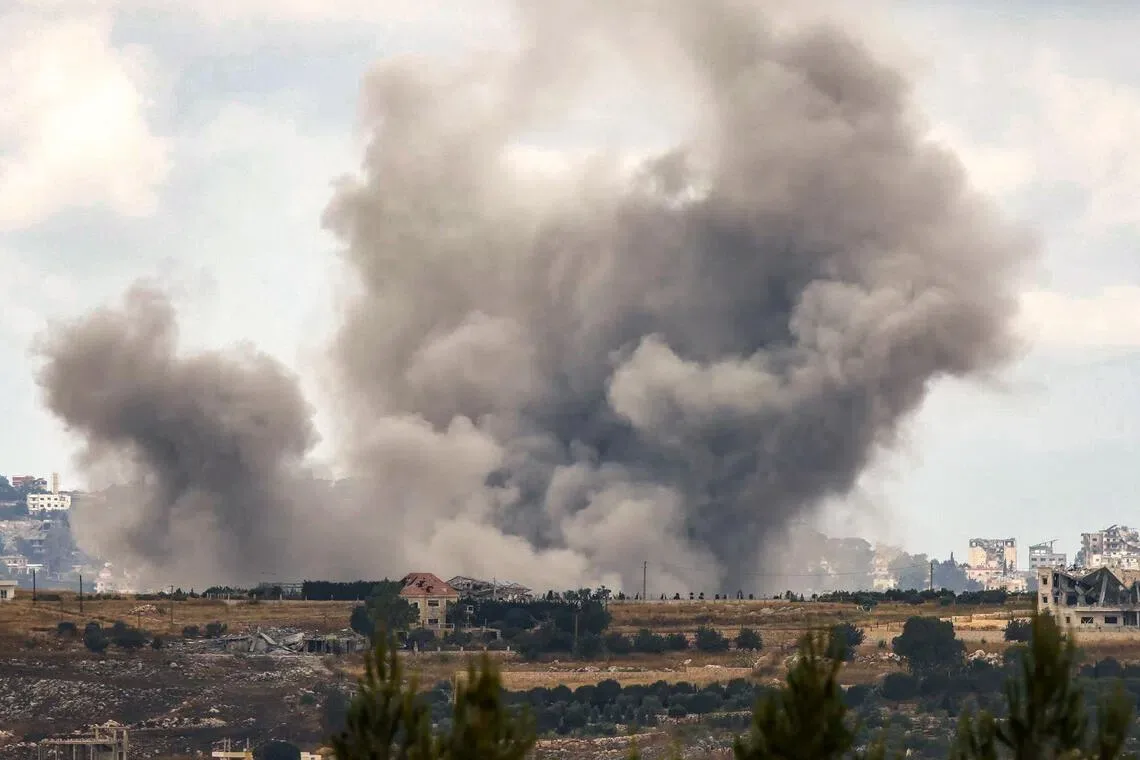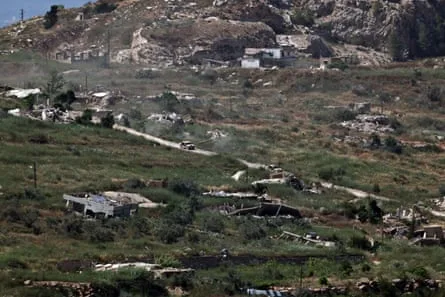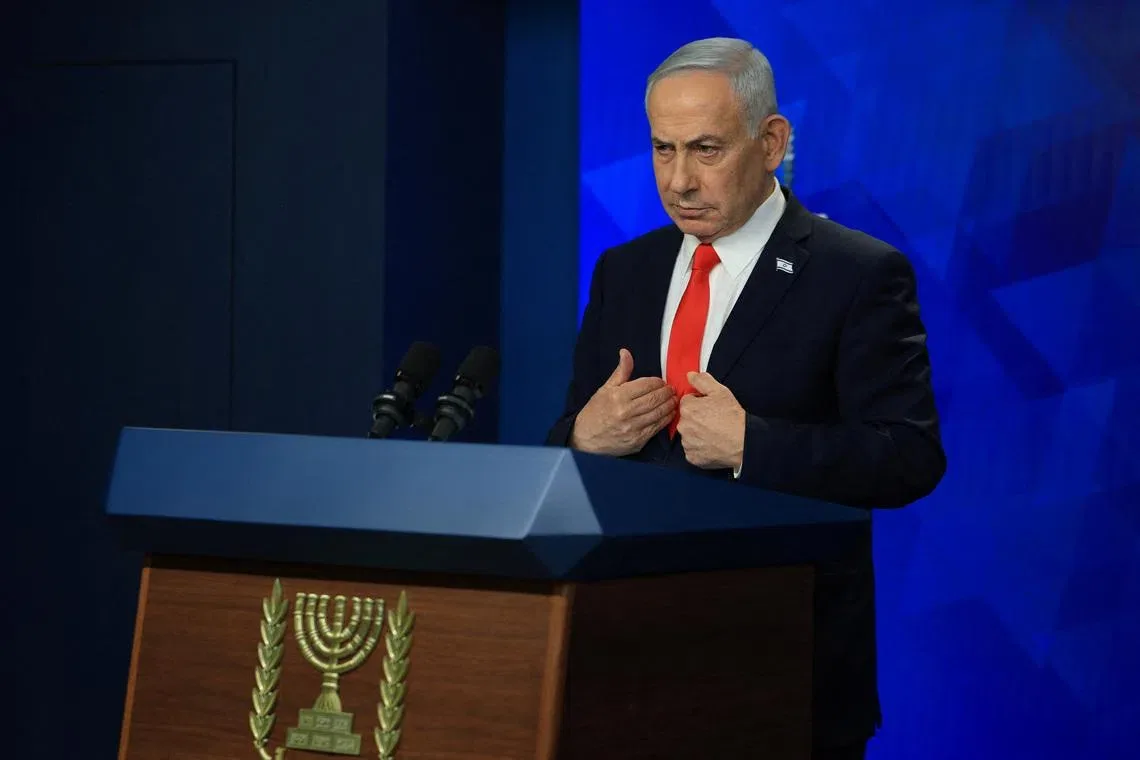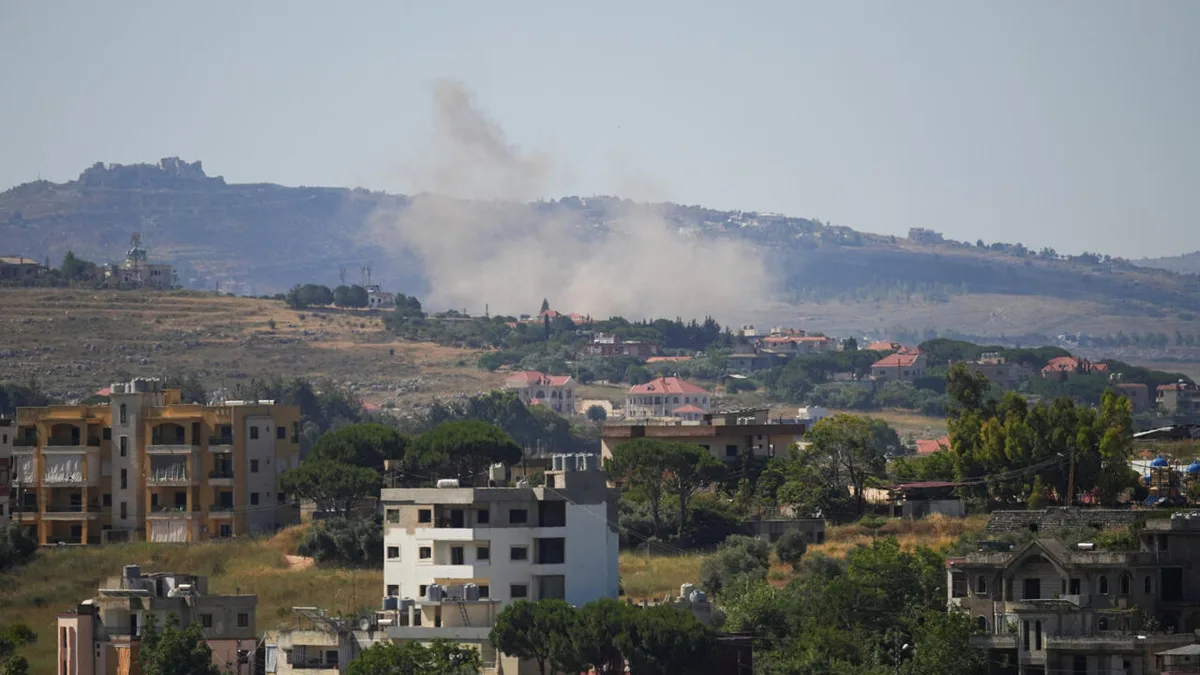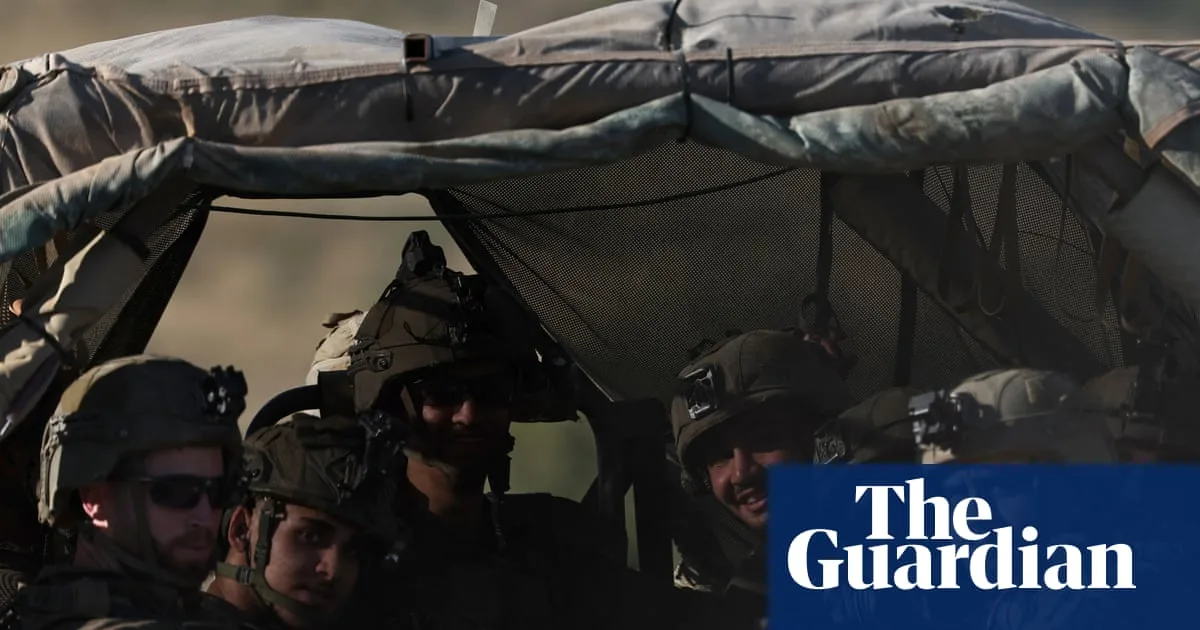
The Israeli Defence Minister Israel Katz declared on June 15 that Israeli troops will remain indefinitely in the security zones of southern Lebanon, Gaza, and Syria despite the memorandum of understanding reached between the United States and Iran to end hostilities across the Middle East [1, 2, 3]. Katz said, "Prime Minister Benjamin Netanyahu and I are pursuing a clear policy under which the IDF will remain in the security zones in Lebanon, Syria and Gaza for an unlimited period of time, in order to protect the border and Israeli communities from there against jihadist elements" [1].
The US and Iran agreed on June 14 to a memorandum aimed at halting military operations across multiple fronts, including Lebanon, with a formal signing ceremony scheduled for July 19 in Switzerland [1, 2, 4]. The agreement reportedly strives for a ceasefire and reopening the Strait of Hormuz, but key details remain unresolved and subject to implementation after the signing [2, 4, 5].
Israeli leaders have rejected aspects of the peace deal, insisting it does not safeguard Israel's security. National Security Minister Itamar Ben Gvir said, "Trump’s agreement does not bind us. We are not party to this agreement. We must not settle for anything less than the dismantling of Hezbollah. We must not withdraw from a single inch of territory that our soldiers have captured and cleared of terrorist infrastructure" [1]. Israeli military sources indicated readiness as of June 17 to extend their presence in Lebanon amid ongoing conflict, preparing for all scenarios [5].
This stance aligns with the Israeli army’s call on June 18 to preserve operational freedom in Lebanon, including continuing strikes and maintaining a buffer zone to disarm Hezbollah [6]. Katz warned that if Iran retaliates for Israeli strikes in Lebanon, "Israel will strike Iran with great force" [4]. He added, "We will not compromise on Israel’s security interests and the protection of our citizens" [7].
The prolonged conflict has had a severe toll in southern Lebanon, where Israeli airstrikes since March 2 have killed more than 3,700 people, wounded nearly 11,500, and displaced over 1.5 million residents [3, 5]. Israel has captured approximately 1,000 square kilometers of territory in Gaza, Lebanon, and Syria over the past two and a half years [4].
Prime Minister Benjamin Netanyahu praised the military campaign against Iran, stating on June 15, "The most important thing is that we saved the State of Israel from the threat of nuclear annihilation... we have pushed away from us, for years, this danger of the annihilation of Israel’s population" [8].
While the US-Iran peace deal sets a 60-day timeline for a final settlement, Israel’s government and military emphasize maintaining their presence and security operations in neighboring territories beyond that period. The peace pact’s formal signing on July 19 is expected to clarify implementation steps but faces opposition from Israeli officials.