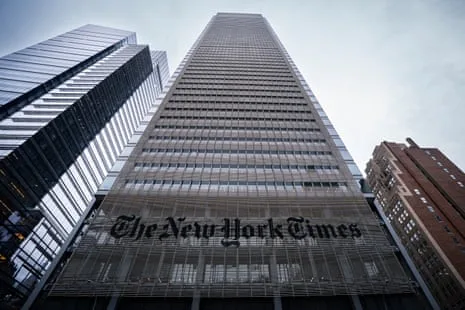
Israeli Prime Minister Benjamin Netanyahu and Foreign Minister Gideon Sa’ar have instructed officials to initiate a defamation lawsuit against The New York Times following the publication of an article by Nicholas Kristof that accused Israeli forces of sexually abusing Palestinian detainees [1, 2, 3, 4, 5].
Kristof’s article, titled "The Silence That Meets the Rape of Palestinians," included testimonies from 14 Palestinian men and women who described rape and sexual violence by Israeli prison guards, soldiers, settlers, and interrogators [2, 3, 4, 5, 6]. The allegations included sexual violence using objects, beatings to genitals, threats, humiliation, and even claims that dogs were trained to sexually assault prisoners [5, 6].
The Israeli government condemned the article as "one of the most hideous and distorted lies ever published against the State of Israel" and a "blood libel," with the Foreign Ministry stating that both Netanyahu and Sa’ar authorized legal action to defend Israel’s reputation [1, 2, 3, 4, 5]. Netanyahu said, "We will fight these lies in the court of public opinion and in the court of law. Truth will prevail" [1].
A New York Times spokesperson, Charlie Stadtlander, defended the report, saying the accounts were corroborated when possible, extensively fact-checked, and cross-referenced with other reporting, human rights groups, and United Nations testimony. He said, "The accounts of the 14 men and women he interviewed were corroborated with other witnesses, whenever possible, and with people the victims confided in – that includes family members and lawyers" [1, 2, 5].
It remains unclear in which jurisdiction Israel intends to file the lawsuit. Experts are skeptical about the case’s prospects in U.S. courts due to First Amendment protections, particularly given the government is the plaintiff. Some called the suit extraordinary with unclear legal grounds [1, 2].
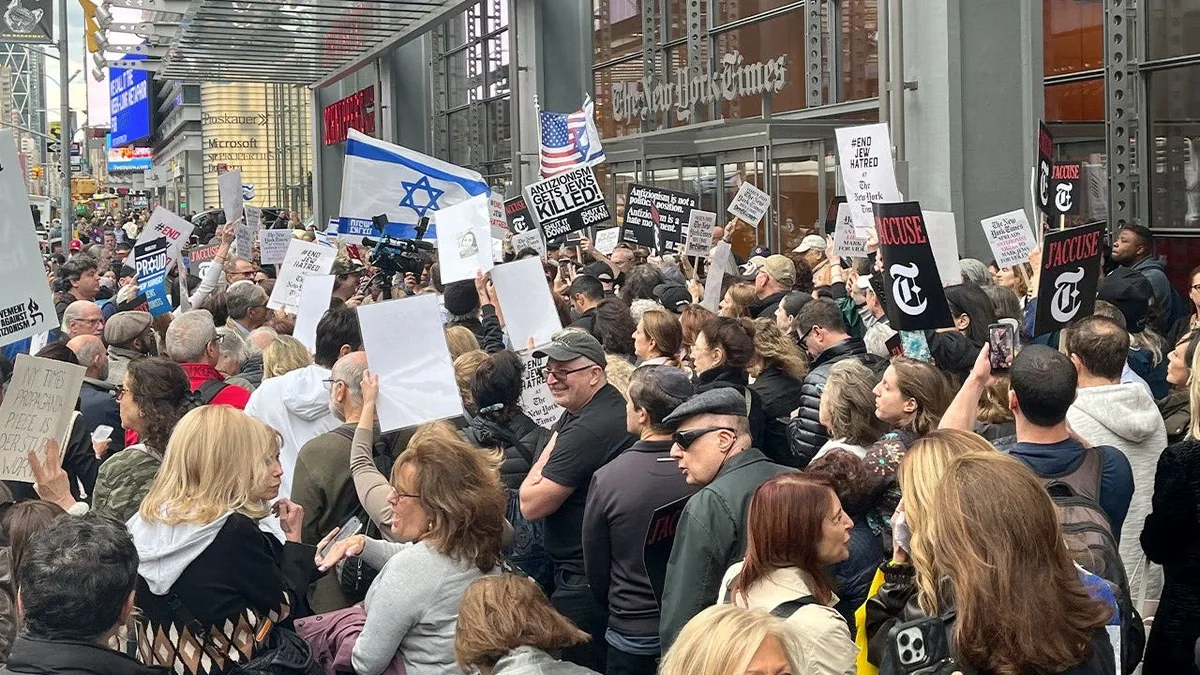
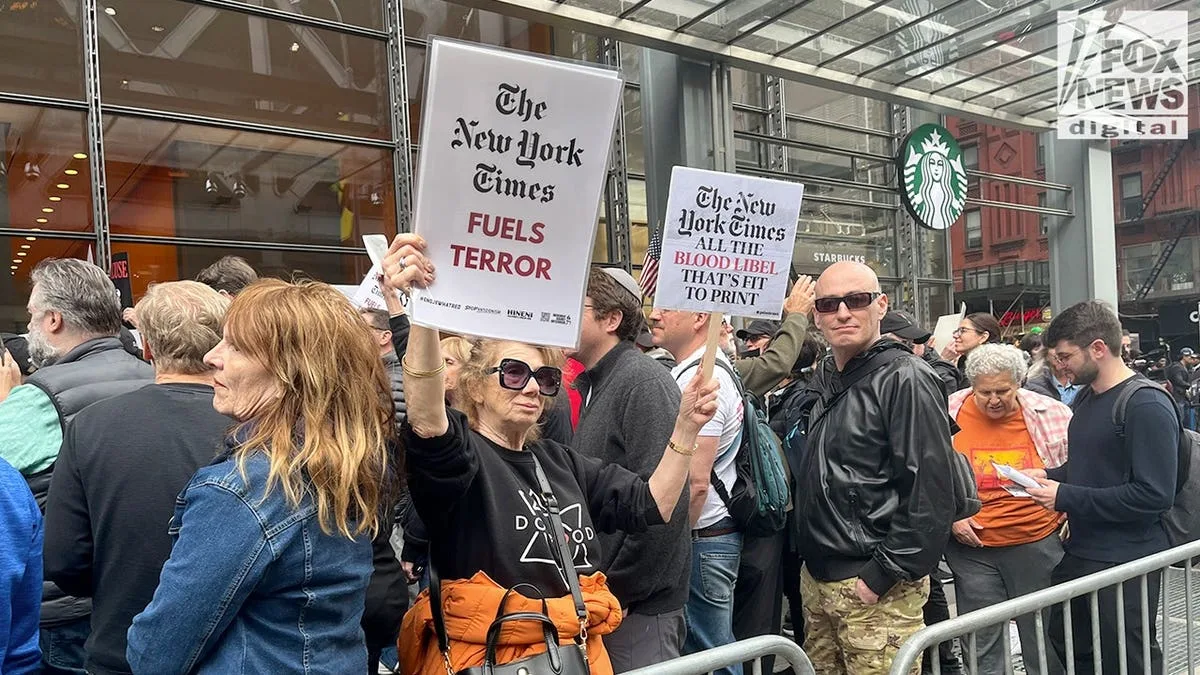
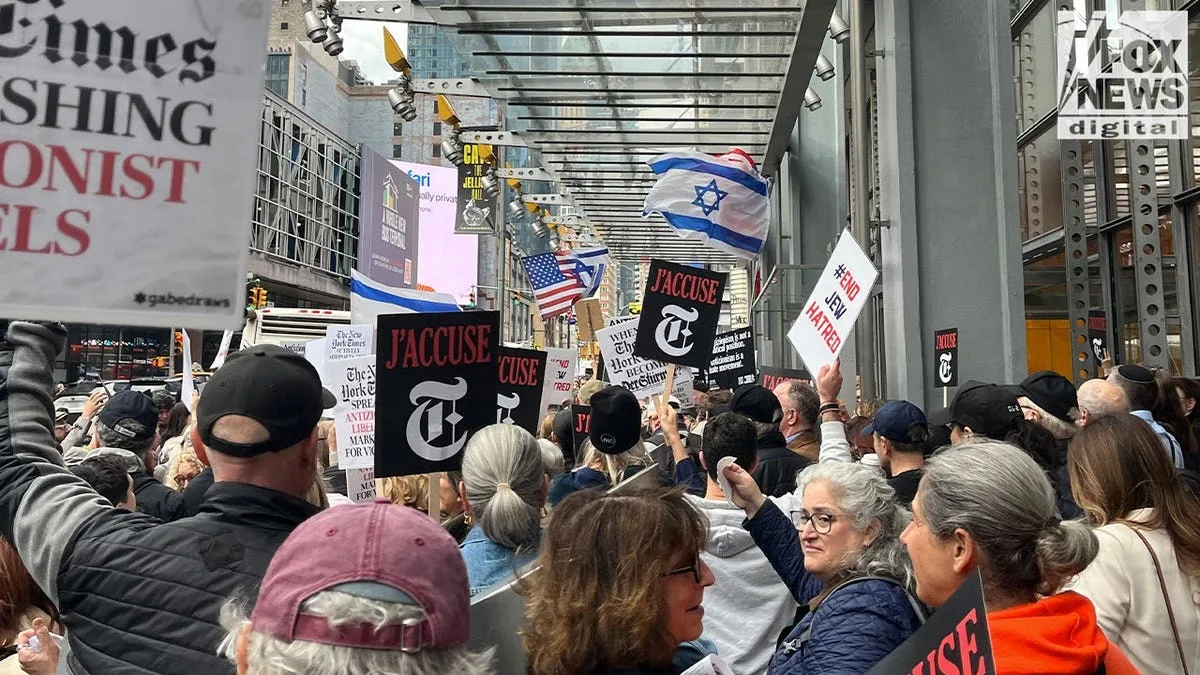
Two days after the article’s publication, protesters gathered outside The New York Times headquarters in New York City demanding a retraction and the firing of Kristof [6].
As of May 16, the legal threat and public controversy over the article continue, with Israeli officials reaffirming their intention to pursue the lawsuit [3, 4].