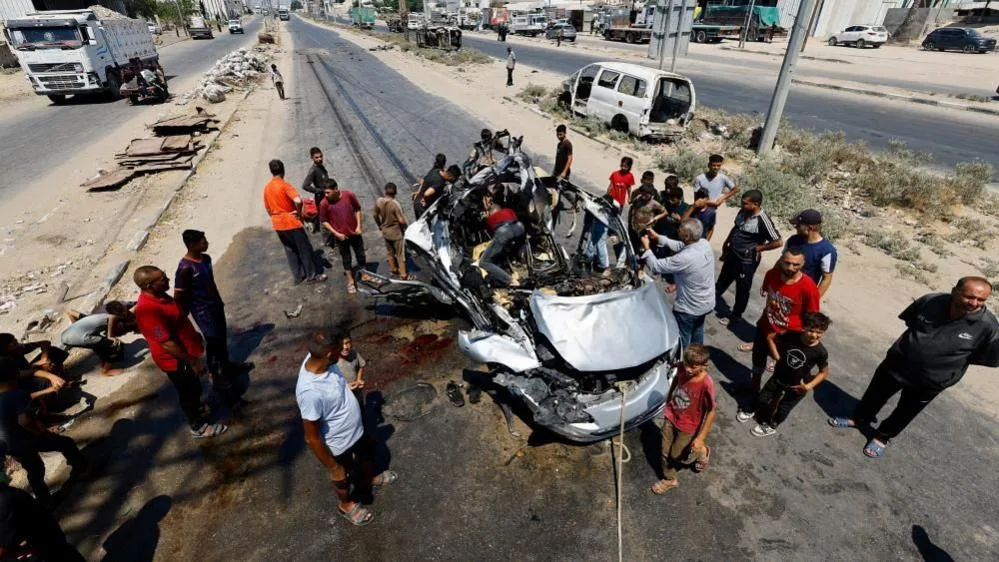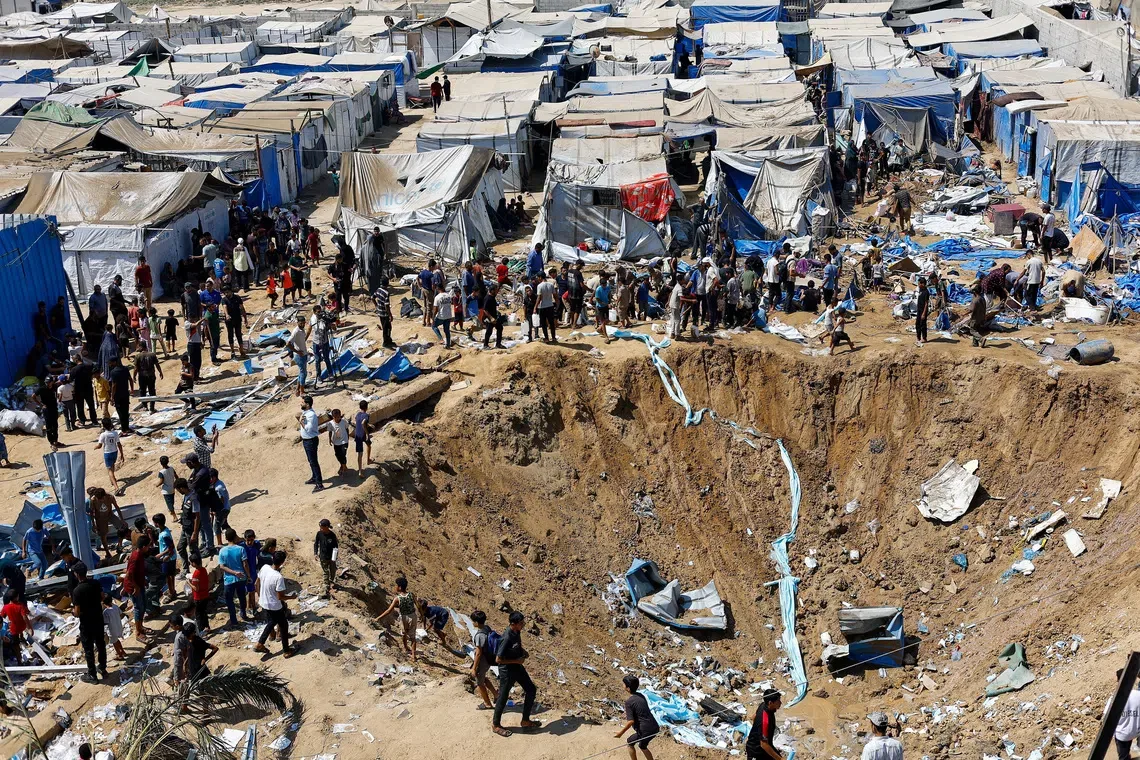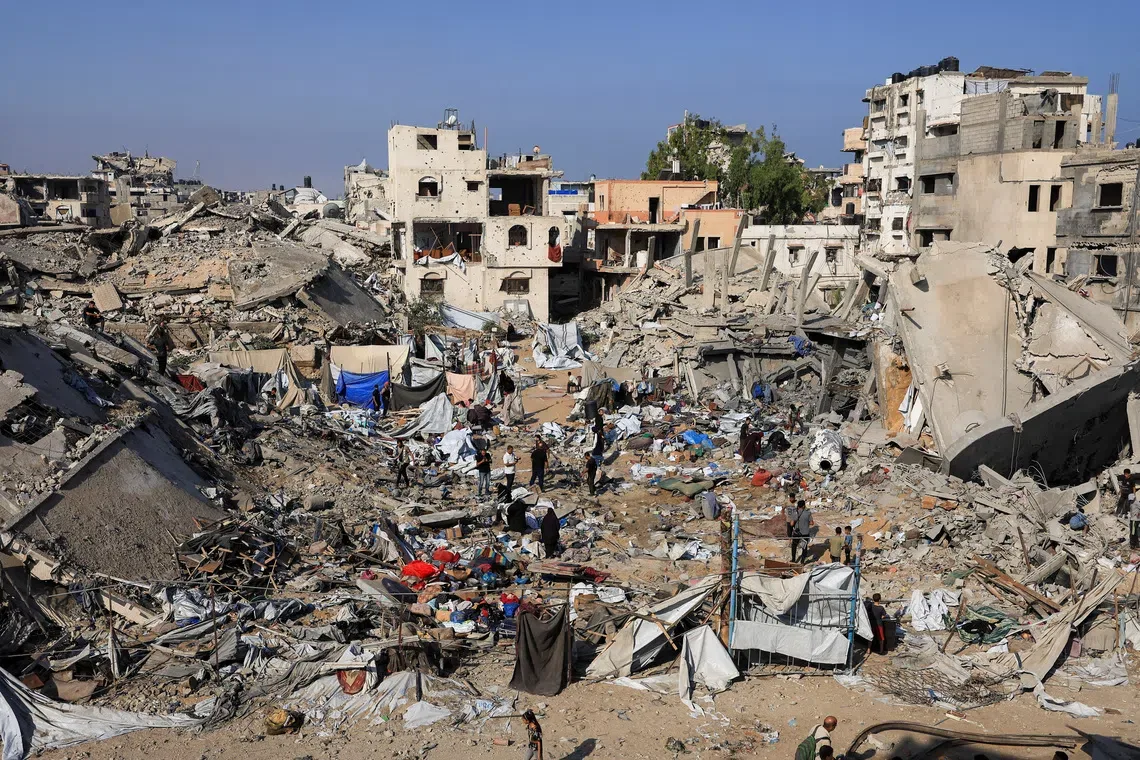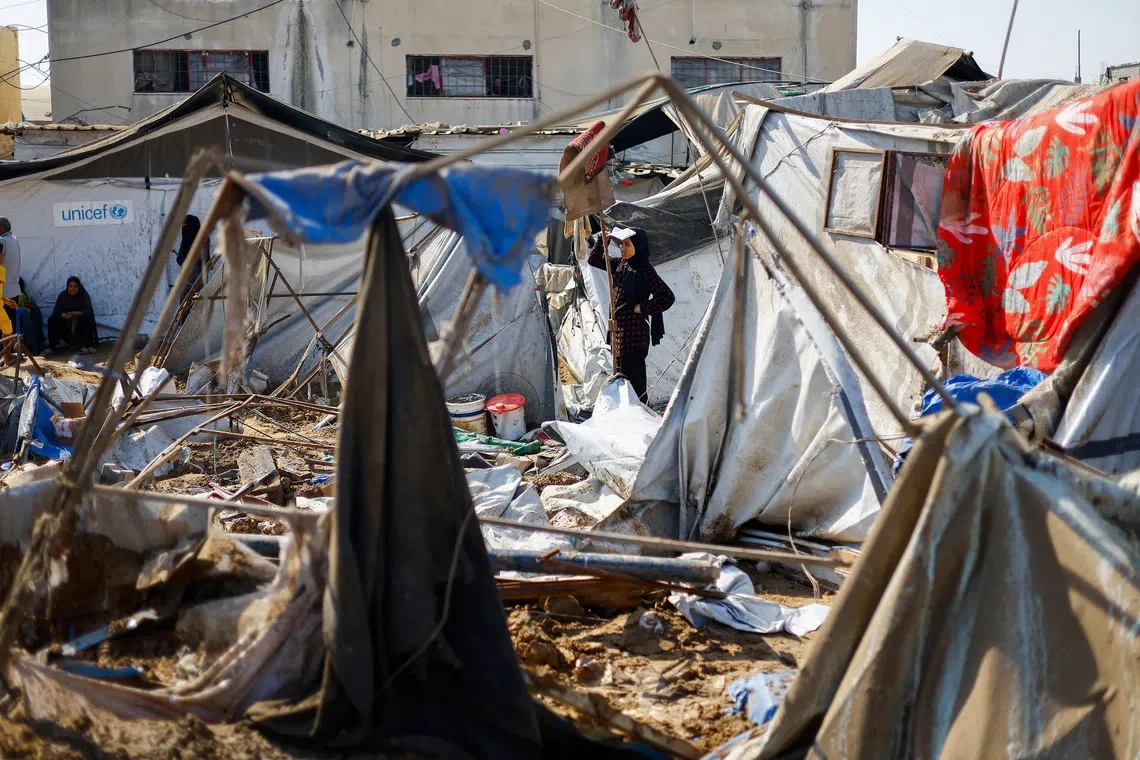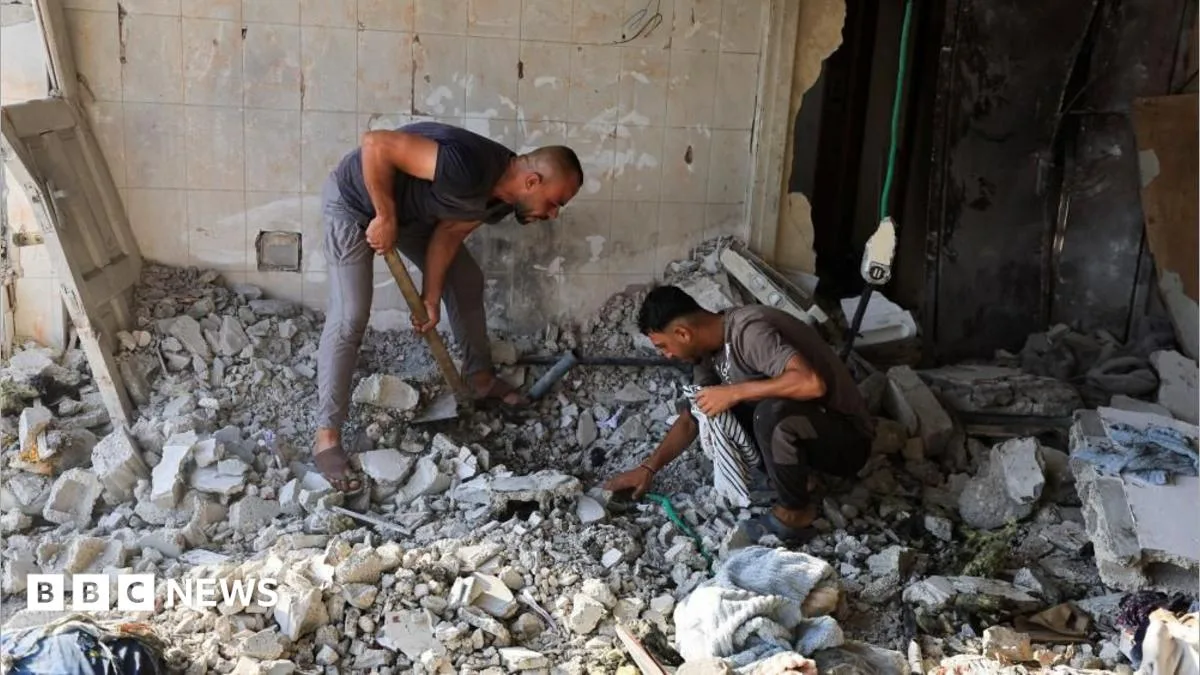
Israeli airstrikes killed at least eight Palestinians, including children, across Gaza on August 2, 2026, despite ongoing talks aimed at implementing a ceasefire and disarming Hamas [1, 2, 3]. The strikes hit residential buildings, a tent camp sheltering displaced families in Khan Younis, and medicine warehouses near Al-Aqsa Martyrs Hospital in Deir el-Balah [1, 4, 5, 6]. Two Hamas militants, including commanders from elite units, were also killed, with Israeli forces saying the attacks targeted militant positions [1, 5].
The strikes damaged critical medical infrastructure. A warehouse storing medicine and supplies at Al-Aqsa Martyrs Hospital was destroyed, creating a crater 20 meters wide and 10 meters deep, severely disrupting patient treatment. Doctor Khalil al-Daqran condemned the attack as a "heinous crime," saying the occupation "completely destroyed" essential medical supplies [4, 6, 7].
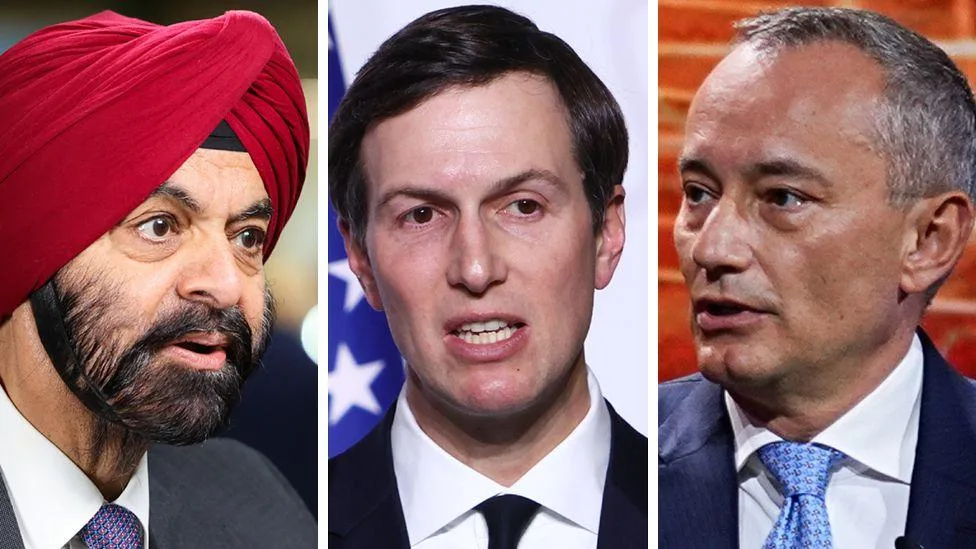
Since a ceasefire came into effect in October 2025, Israeli strikes have killed more than 1,200 Palestinians, mostly civilians including many children [1, 8, 4, 9]. Despite the ceasefire talks and public announcements of progress, violence and strikes have continued into August 2026 [1, 10, 9, 6, 7]. On July 30, Israeli airstrikes killed at least three Palestinians as ceasefire talks were ongoing in Cairo [8, 11, 9, 12]. The following day, the US President Donald Trump’s Board of Peace published a 15-point roadmap urging Gaza ceasefire implementation and Hamas disarmament [10, 7].
Hamas officials met with mediators from Egypt, Qatar, and Turkey in Cairo to discuss ceasefire steps and disarmament. A Hamas official said the group brought a "positive and good" response but did not confirm full disarmament, a key sticking point in months-long talks [8, 9, 12]. Hamas has agreed to a phased disarmament plan brokered by the US-backed Board of Peace, but full disarmament and Israeli troop withdrawals have not occurred [1, 8, 10, 5, 7].
Israeli National Security Minister Itamar Ben-Gvir rejected the disarmament draft as "not acceptable," insisting on full Hamas disarmament before any Israeli withdrawals and supporting continued targeting of Hamas leaders [1, 10, 7]. Former Fatah official Mohammed Dahlan said contacts with the US and Israel continue to ensure the ceasefire and disarmament agreement are fully implemented [10].
Israeli officials face pressure from political factions refusing partial disarmament without troop pullback, while Hamas resists full weapons surrender. In the coming weeks, mediators plan further talks in Cairo to try to resolve disputes over Israeli military presence and the extent of Hamas weapons control [8, 9, 12].