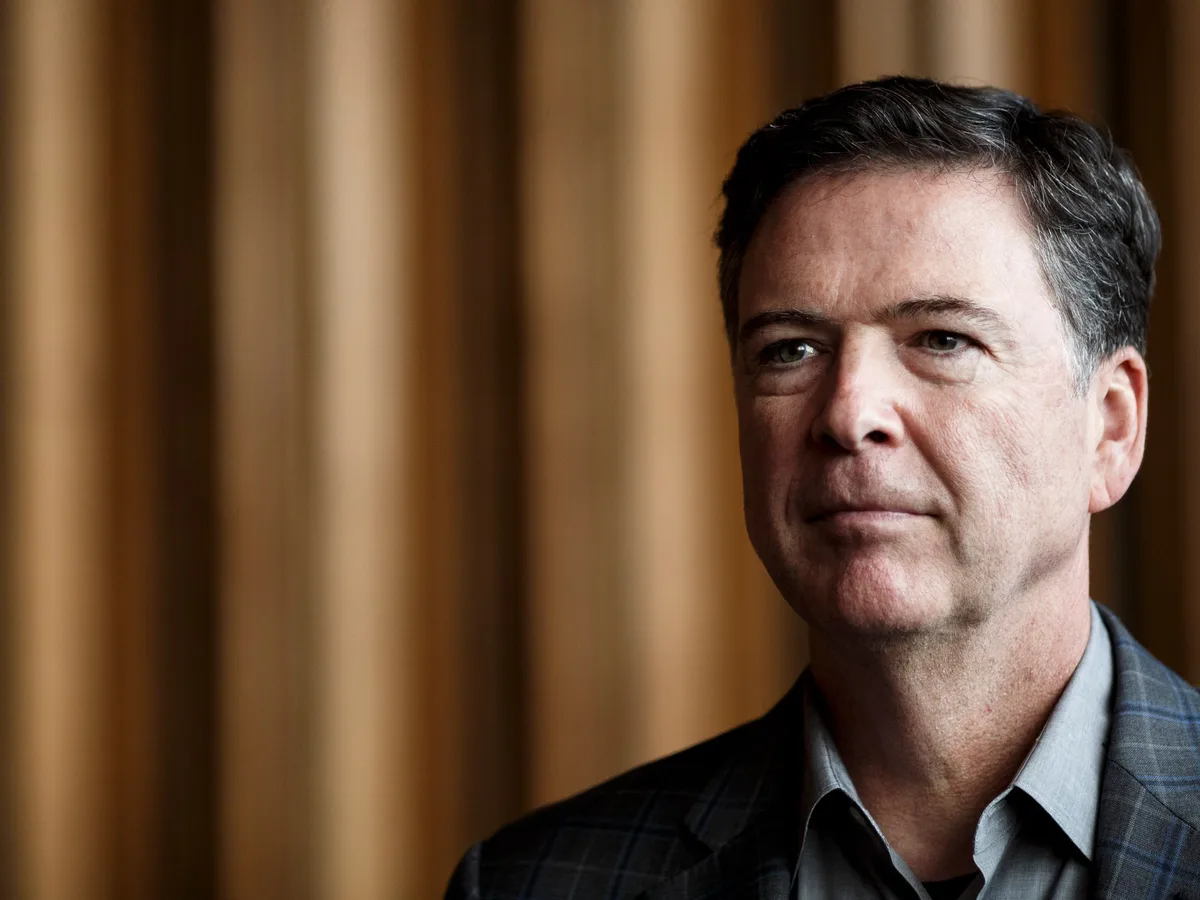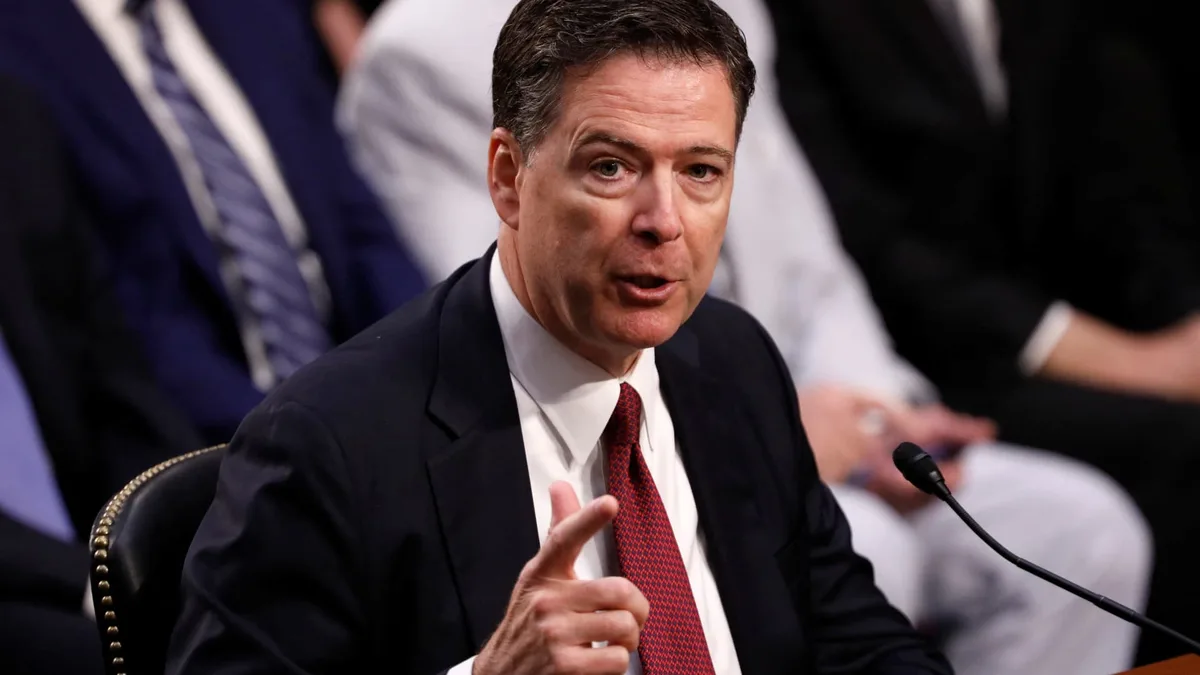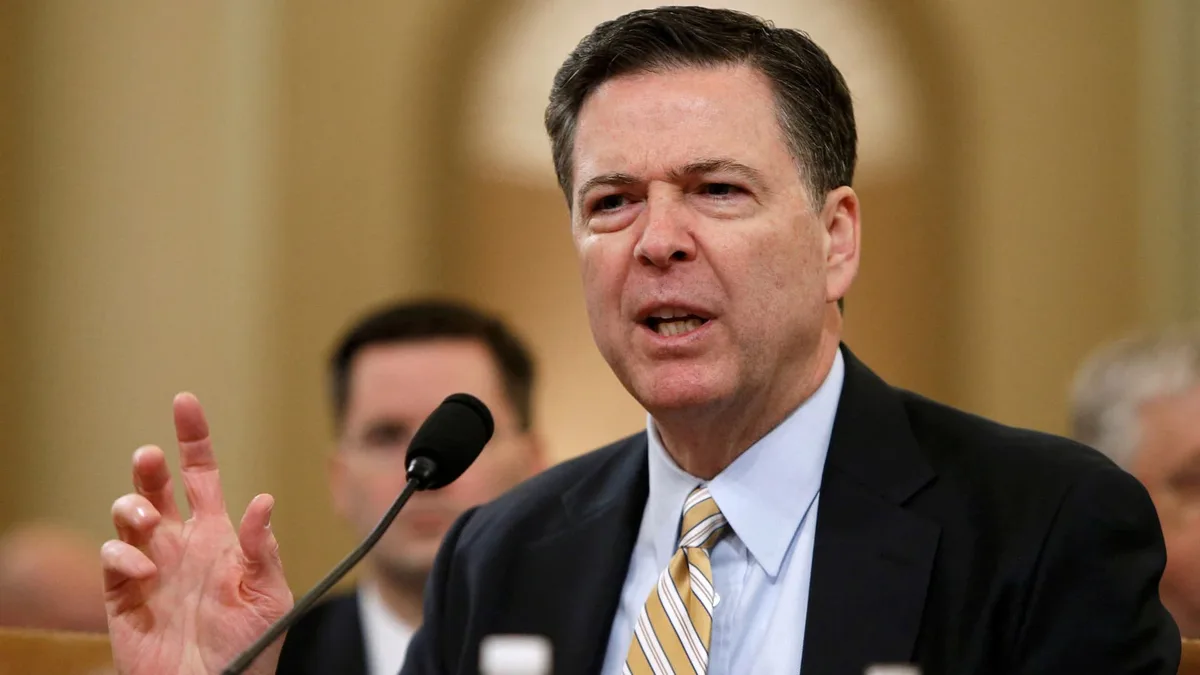
Former FBI Director James Comey filed a motion on July 27 to dismiss criminal charges accusing him of threatening President Donald Trump by posting an Instagram photo of seashells arranged to spell out "8647" [1, 2, 3, 4]. The Federal government indicted Comey in April 2026 on two counts: threatening the president and transmitting a threat in interstate commerce, which carry up to 10 years in prison if convicted [5].
The phrase "8647" is a political slogan where "86" means "nix" or "throw out" and Trump is the 47th US president, making it shorthand for "get rid of the 47th president" [1, 2, 6, 5]. Comey and his legal team argue the post is protected political speech under the First Amendment, not a "true threat." They said, "The ensuing indictment is not based on a goodfaith application of the law to the facts; instead, it effectuates a yearslong campaign by the President to use the criminal process to punish Mr Comey for his protected speech and because of the President’s deep-seated animosity" [1, 2].
Comey was fired by Trump in 2017 while serving as FBI director and is a known vocal critic of the former president [1, 2, 5]. The prosecution alleges the Instagram post crossed a legal line, but Comey’s lawyers said, "That attempt to suppress core political speech contravenes both the statutes at issue and the First Amendment" [2].
The controversy began in May 2025 during a vacation in eastern North Carolina. Comey posted the photo then voluntarily spoke with Secret Service investigators [1, 6]. At the same time, the Secret Service conducted warrantless electronic surveillance of Comey and his wife, allegedly at the behest of a senior Department of Justice official [1, 6, 5]. They also initiated a new policy treating the phrase "8647" as coded threatening language against the president [6]. Secret Service agents sent frequent updates on Comey's case directly to then-President Trump, reportedly at his request before public statements [1, 6, 5].
An earlier indictment from 2025 accusing Comey of lying to Congress was dismissed due to unlawful appointment of the prosecutor [1, 2, 6]. Rights advocates have publicly questioned the legal basis for the current case, citing First Amendment protections [2, 5]. Comey’s legal team framed the prosecution as political retribution by the Trump administration against critics [1, 2, 5].
Following the dismissal motion on July 27, Comey’s lawyers filed additional motions July 28-29 alleging vindictive prosecution, illegal government surveillance, and distortion of facts in the case [1, 6, 5]. The Department of Justice responded, stating, "A North Carolina grand jury indicted Comey, and he'll have his day in court like any other defendant" [6].
The court will now consider Comey’s motion to dismiss the charges as the case proceeds.