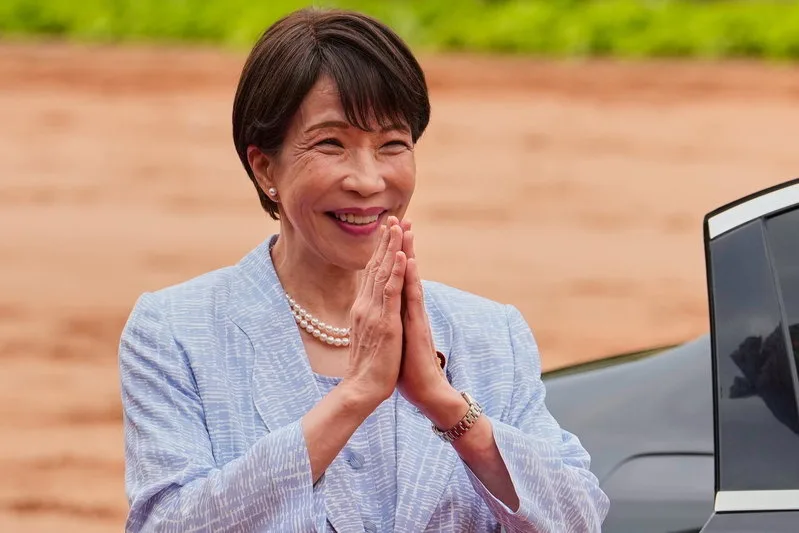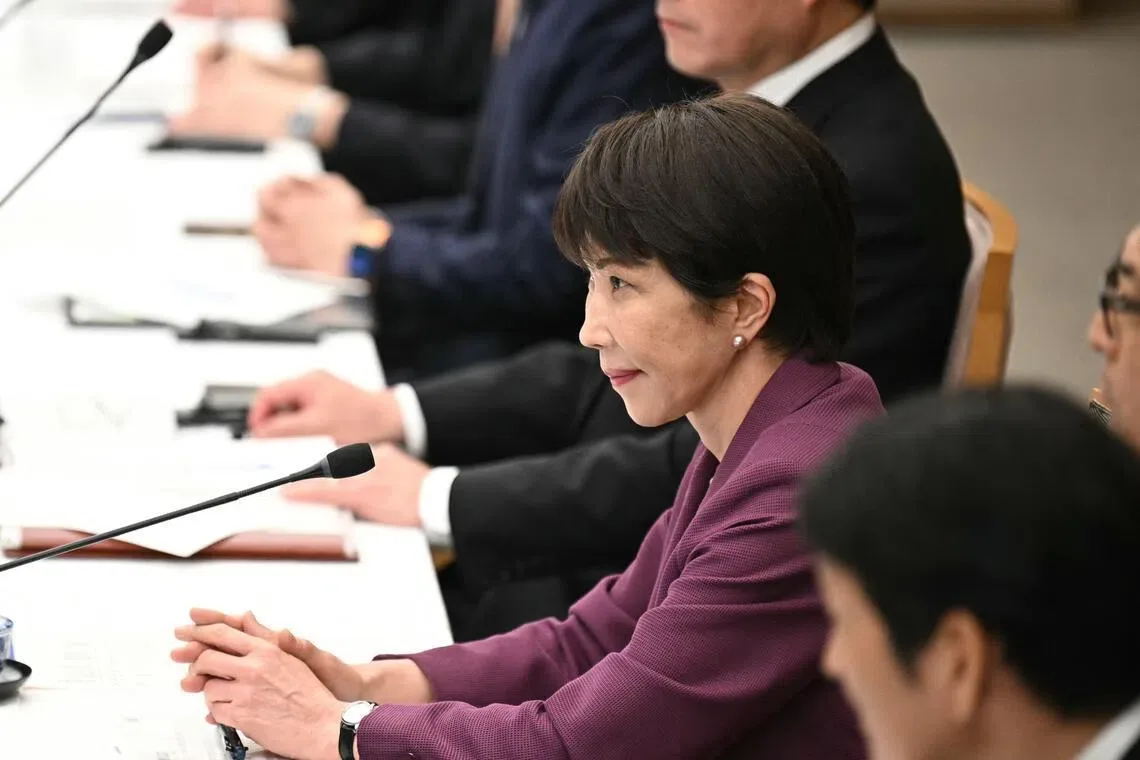
Japanese Prime Minister Sanae Takaichi posted on the social media platform X on July 20, 2026, that since assuming office in October 2025, sleeping between zero to three hours daily had become normal for her [1, 2, 3, 4]. Over the long weekend, she said she managed to sleep five hours for the first time in a long while and caught up on household chores such as ironing and sewing [1, 2, 3, 4].
Her admission triggered a wave of discussion in Japan and drew international media attention [1, 2, 3, 4]. Opposition politicians expressed concern about the potential risks. Yuichiro Tamaki, head of the opposition Democratic Party for the People, said, "Getting rest is also part of the job" [1]. Toru Kunishige from the Centrist Reform Alliance warned that prolonged sleep shortage "could impair judgment and pose a risk to the nation's crisis management" [1].
Some critics said glorifying severe sleep deprivation conflicts with modern views on work-life balance [1, 2, 3, 4]. Liberal Democratic Party lawmaker Tomomi Inada described Takaichi as a "policy maniac" who deeply studies materials and spends much time preparing for parliamentary sessions but admitted, "If it were me, I couldn't hold on with only 3 hours of sleep daily. Everyone's constitution is different" [2, 3, 4].
Takaichi’s post drew comparisons to British Prime Minister Margaret Thatcher, known for her habit of sleeping about four hours a night. Some commentators viewed the message as an homage to Thatcher [2, 3, 4]. Other world leaders reportedly sleep four to five hours a night, including Donald Trump and Emmanuel Macron; Narendra Modi averages about 3.5 hours; Angela Merkel’s sleep habits are disputed; Benjamin Netanyahu reportedly sleeps seven to nine hours [2, 3, 4].
Medical authorities such as the US Centers for Disease Control and Prevention and Japan’s Ministry of Health recommend adults get at least six to seven hours of sleep to maintain cognitive function and reduce accident risks [2, 3, 4]. Matthew Parris, a former adviser to Thatcher, said celebrating minimal sleep as a leadership success is a "dangerous myth," adding, "社会應該改變『熬夜就是敬業』的觀念" (society should change the idea that working late means dedication) [2, 3, 4].
Takaichi became Japan’s prime minister in October 2025 [1]. Just days before her post on sleep, Japan enacted a controversial revision to the Imperial House Law on July 17, amid declining approval ratings for her administration [1].