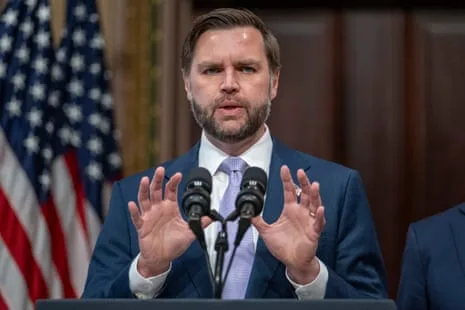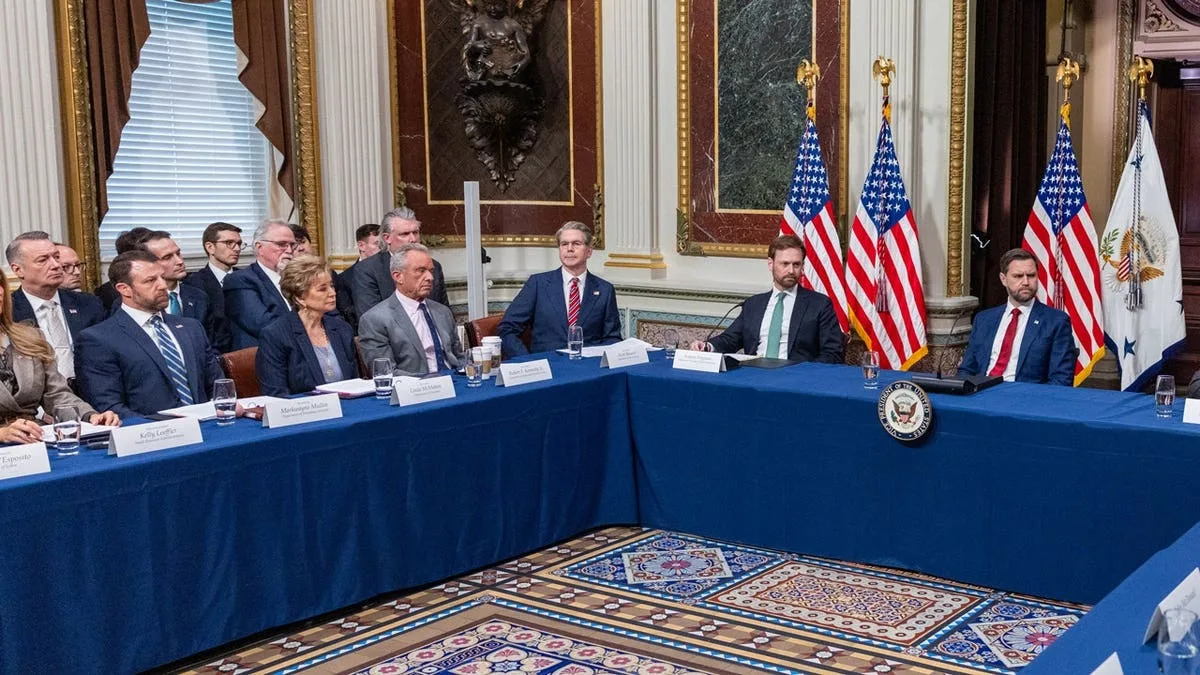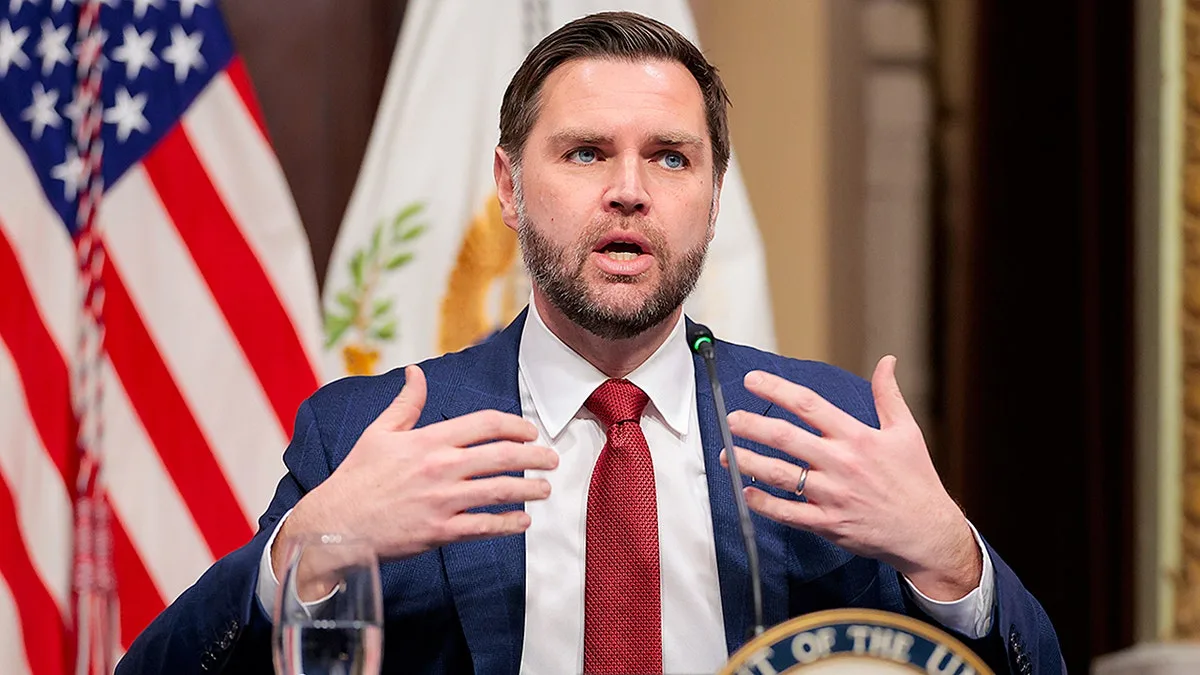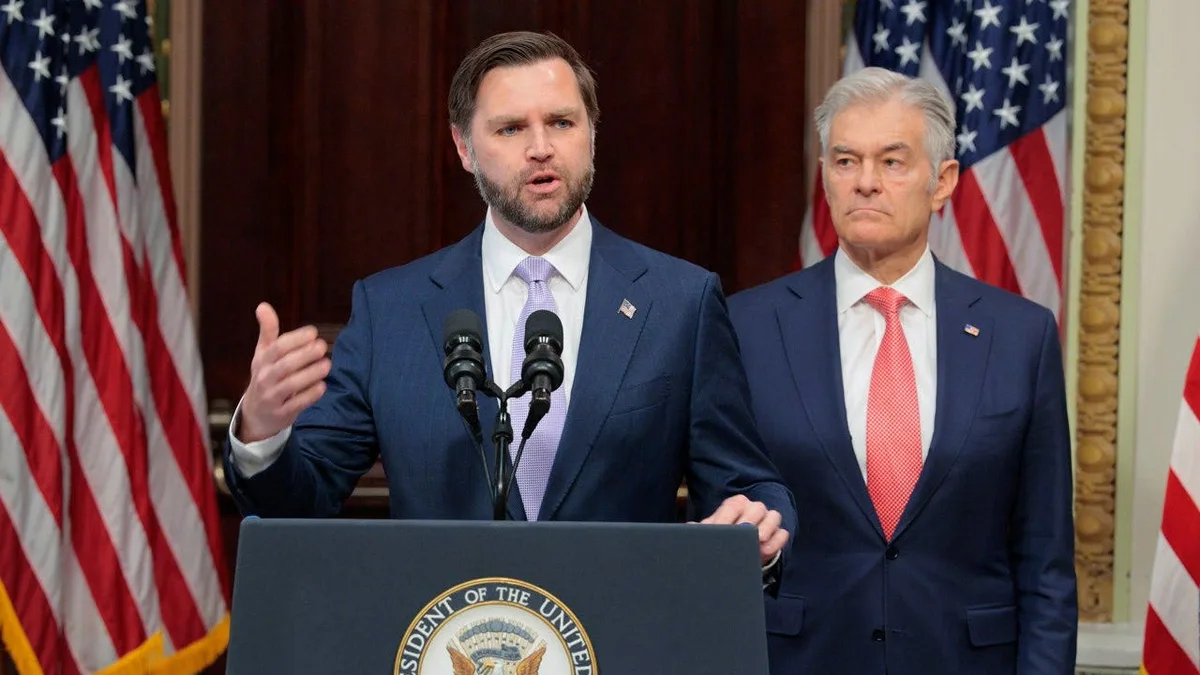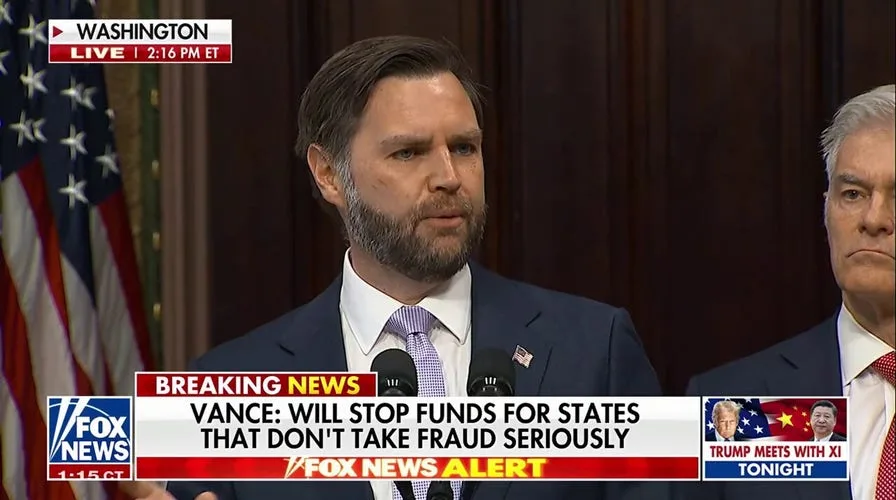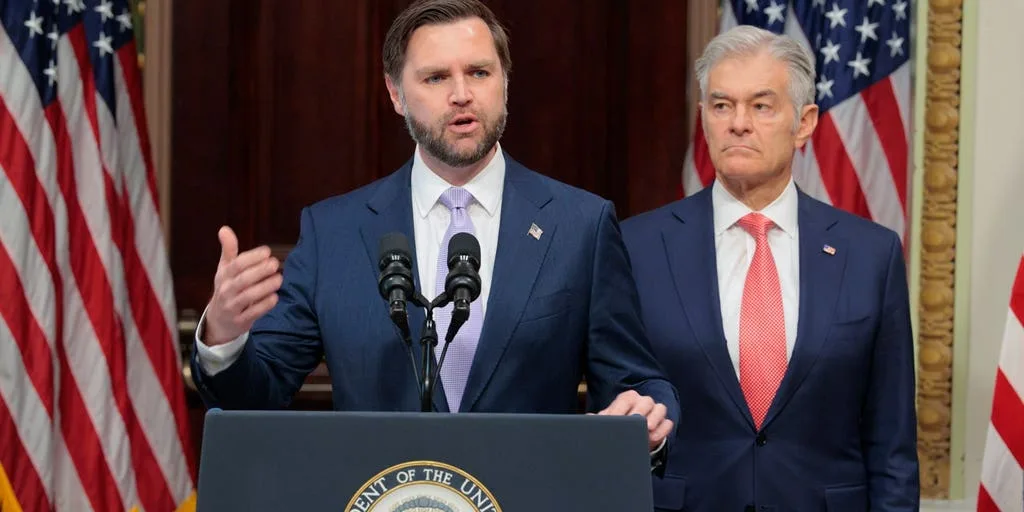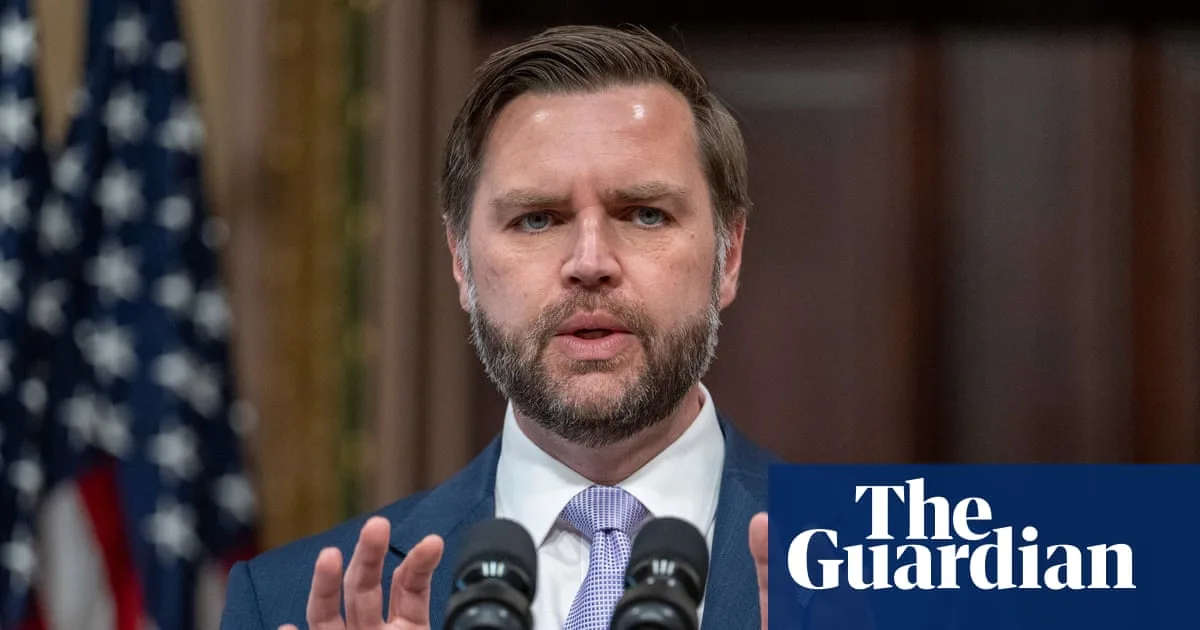
JD Vance, leading the Trump administration’s anti-fraud crackdown, threatened to cut federal Medicaid and Medicare funding to states that fail to aggressively prosecute Medicaid fraud [1, 2]. Vance made the announcement on May 13 during a press conference, emphasizing the need for states to show they are effectively pursuing fraud cases or face losing federal money allocated for anti-fraud efforts [1, 2].
The administration has already deferred $1.3 billion in Medicaid reimbursements to California, citing the state’s failure to take fraud issues seriously [2]. Vance said, "We're announcing that the federal government is deferring $1.3 billion in Medicaid reimbursements from the state of California. And the simple reason is because the state of California has not taken fraud very seriously" [2]. He also named New York and Hawaii alongside California as states not adequately addressing Medicaid fraud [2].
In contrast, Ohio and Maryland were held up as examples of states cooperating with the administration’s fraud investigations [2]. The crackdown includes audits of Medicaid Fraud Control Units to ensure compliance with enforcement responsibilities [1]. Vance stated, "We are sending letters that will require them to show that they are effectively and aggressively prosecuting Medicaid fraud in their states. And if they do not, if they do not aggressively prosecute Medicaid fraud, we are going to turn off the money that goes to these anti-fraud units" [2].
Recent actions under the crackdown also suspended new Medicare enrollment for hospices and home health agencies while the Centers for Medicare & Medicaid Services (CMS) investigates potential fraud [1]. More than $300 million in funding was halted to Minnesota in recent months due to compliance concerns; however, CMS has temporarily stayed the hold [1]. While the HHS inspector general warned that failure to address fraud could put all Medicaid funds at risk, experts clarified that the Minnesota funding hold did not involve the entirety of the state's Medicaid budget [1].
Vance emphasized the effort is "not to do that. We don’t want to turn off any money. What we want to do is ensure that people are taking fraud seriously" [1]. He added, "This does not have to be a red state or a blue state issue. This is just basic good government" [2].
The crackdown stems from an executive order signed by former President Donald Trump in March 2026, creating a task force to eliminate Medicaid fraud [1]. The administration’s next steps include ongoing audits and sending compliance letters to states, with the possibility of extending funding cuts if states continue to neglect fraud enforcement [1, 2].