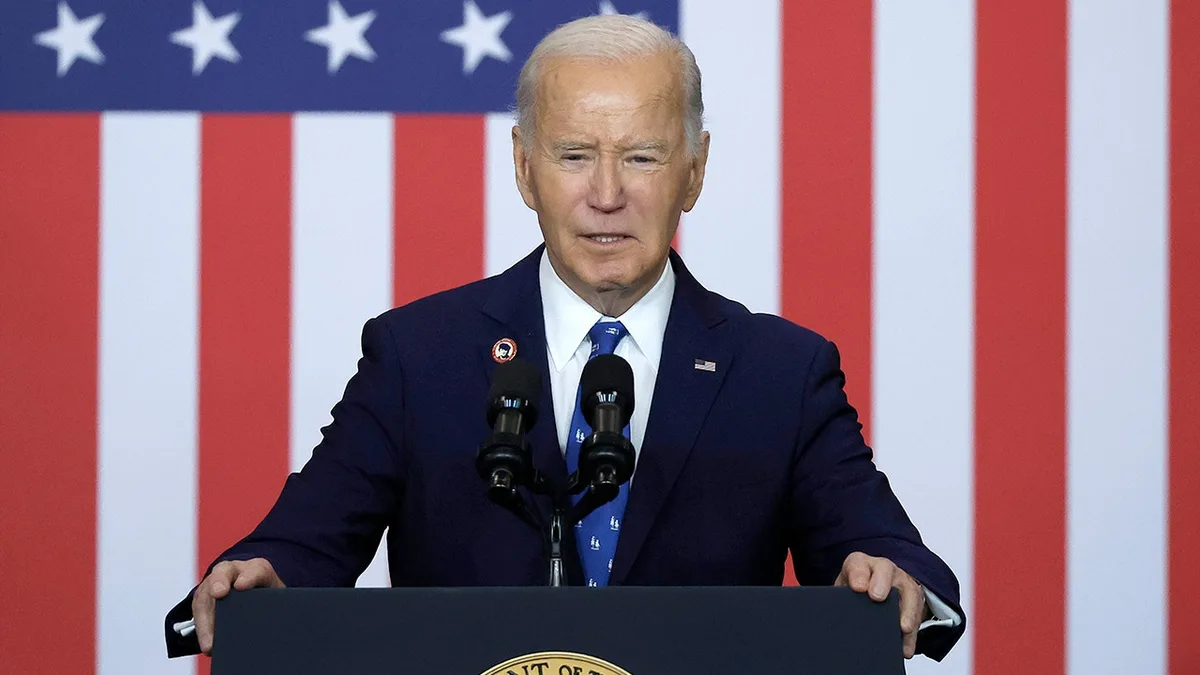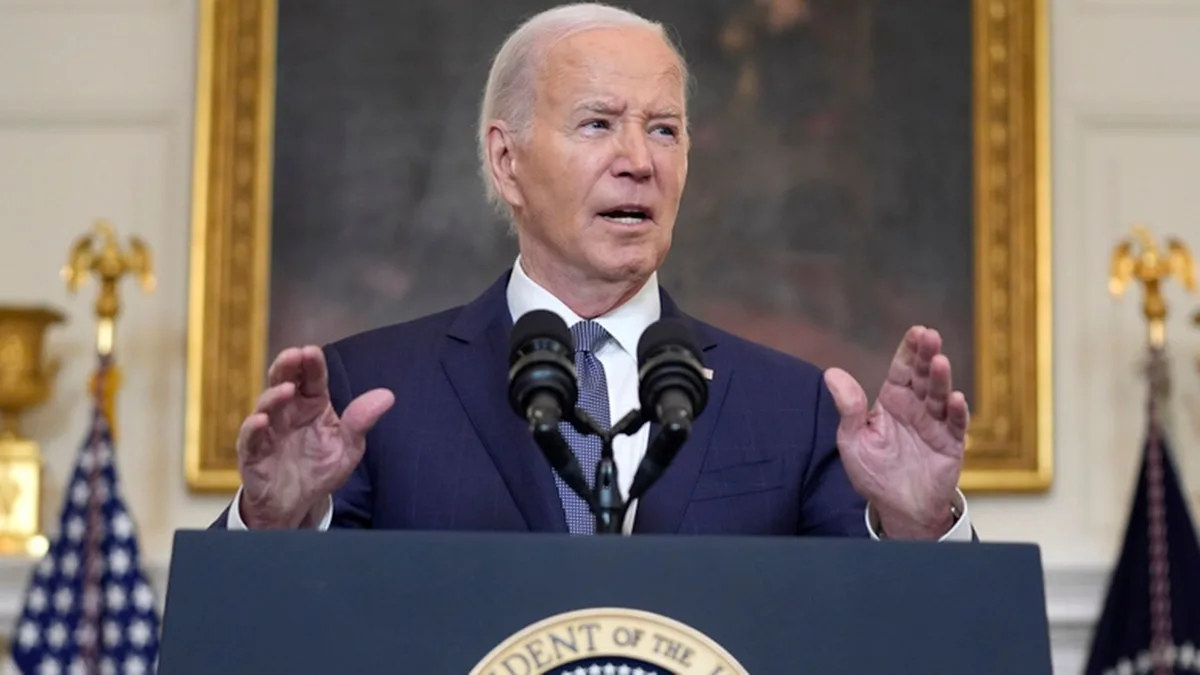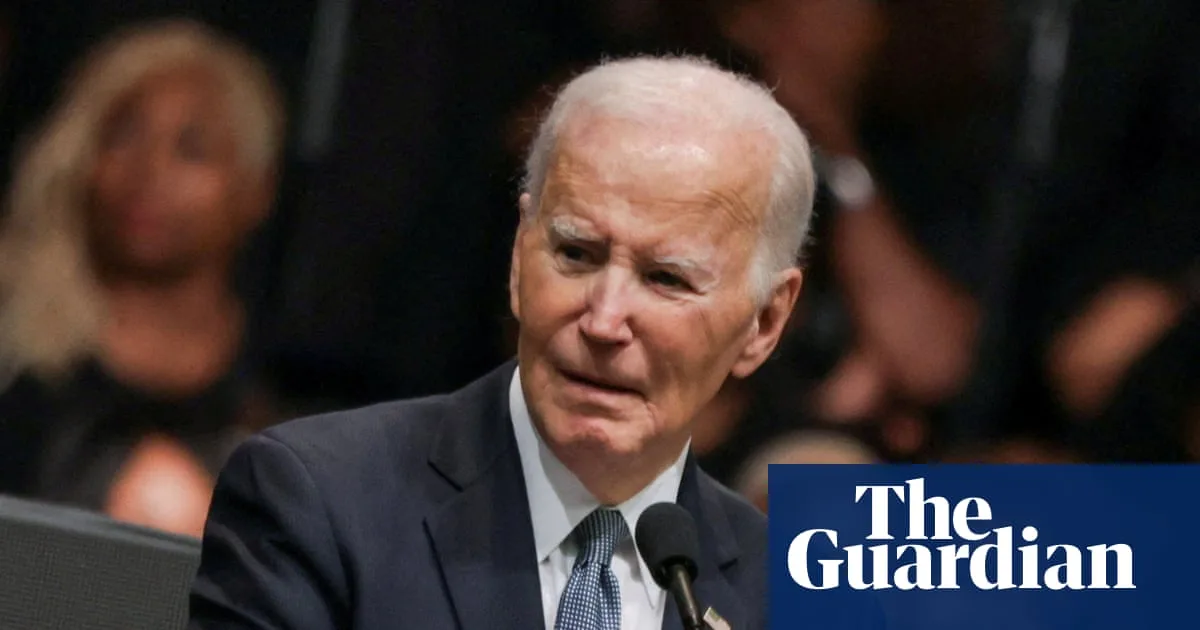
Former President Joe Biden filed a federal lawsuit on May 27, 2026, seeking to block the Department of Justice from releasing audio recordings and transcripts of interviews conducted with his biographer Mark Zwonitzer in 2016 and 2017 [1, 2, 3, 4]. The interviews were recorded at Biden’s home during and just after his vice presidency [1, 2, 3].
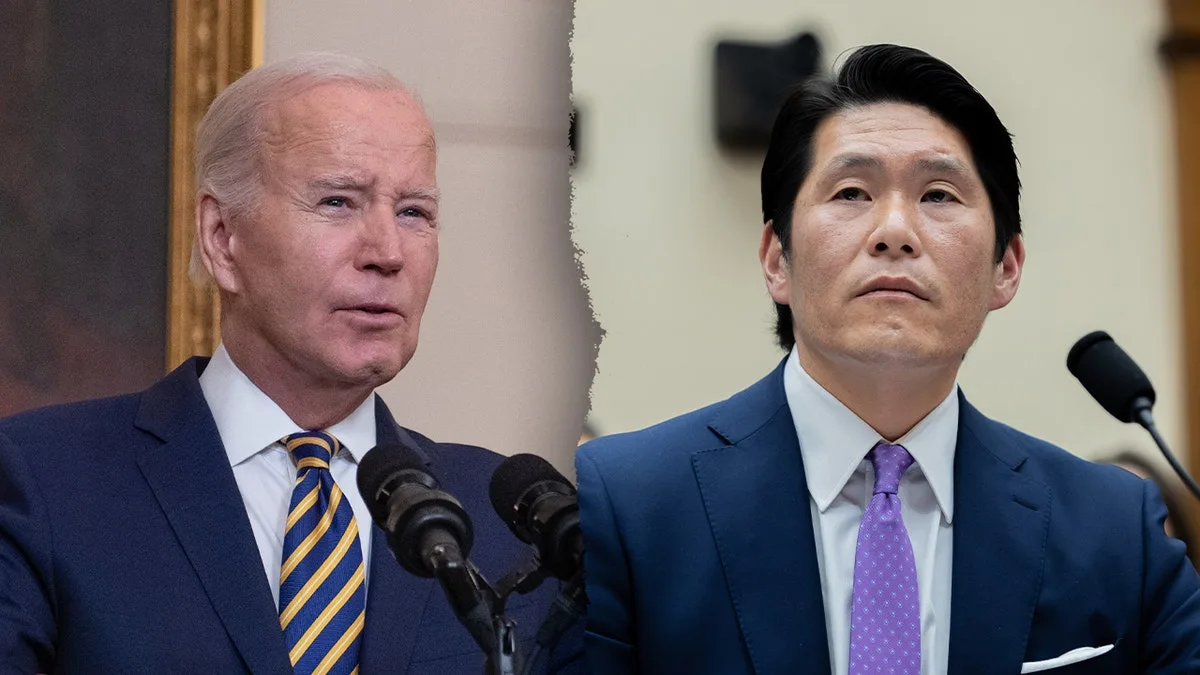
Special counsel Robert Hur obtained the recordings during his 2023 investigation into Biden’s handling of classified documents accumulated from his tenure as senator, vice president, and private citizen [1, 2, 3, 4]. Hur’s 345-page 2024 report to Congress found no criminal charges warranted but alleged Biden willfully retained and disclosed classified materials after leaving office, including sensitive military and foreign policy information about Afghanistan [1, 3, 4]. The report described Biden, then 81 years old, as “a sympathetic, well-meaning, elderly man with a poor memory” but stopped short of prosecution [1, 3, 4].
According to the investigation, Biden read classified notebook passages aloud to Zwonitzer, who had no security clearance, thereby disclosing classified information [2, 4]. Biden has denied sharing classified information and pushed back on claims of memory lapses cited in the report [1, 2]. He also rejected the characterization of poor memory, stating, "My memory is fine" [1].
Biden’s attorneys argue the release would violate privacy rights, saying, “Every American, including a sitting or former vice-president, has a right to privacy in the personal conversations he has within his own home. And when the US Department of Justice obtains that private information through a criminal investigation, the Department bears a particular responsibility to protect it from disclosure” [1].
The DOJ initially resisted releasing the materials but now plans to provide redacted transcripts and audio to the Republican-controlled House Judiciary Committee and the conservative Heritage Foundation by June 15, 2026 [1, 2, 3, 4]. Both Congress and Heritage Foundation sued for access under the Freedom of Information Act [1, 2, 3, 4]. Biden’s lawsuit aims to stop the DOJ from complying with those requests [1, 2, 3, 4].
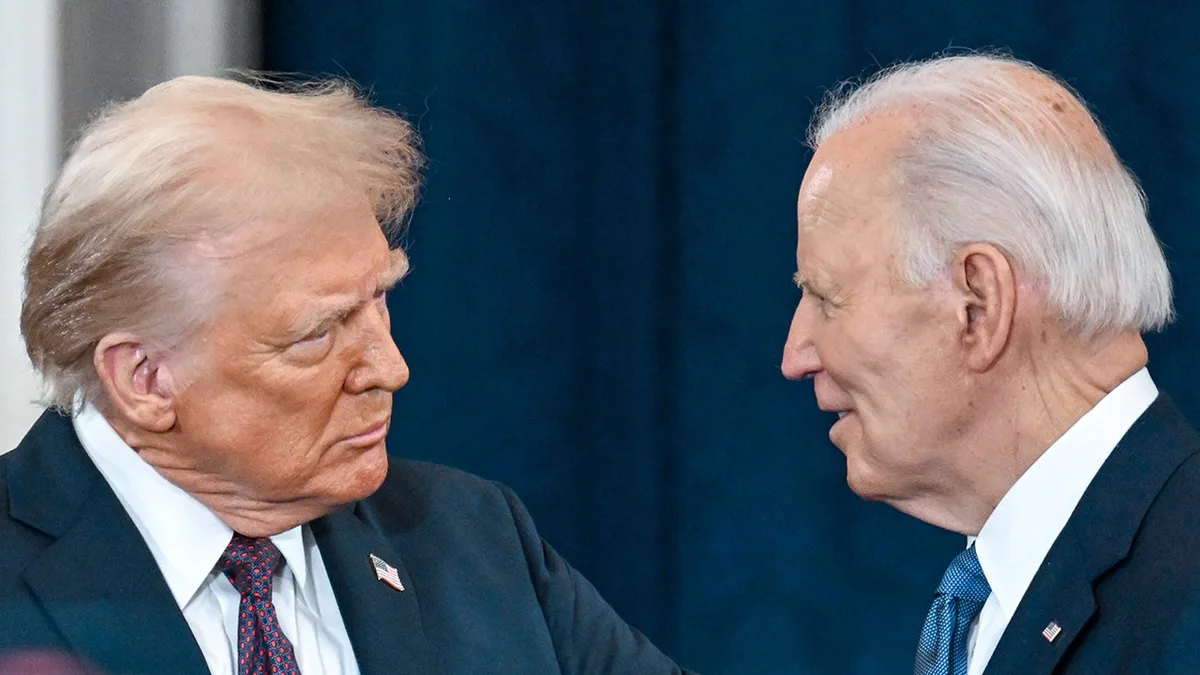
Former President Donald Trump criticized Biden’s lawsuit on Truth Social, calling him “A Crooked Politician!!!” in response to the effort to block the release [3].
Biden withdrew from the 2024 presidential race following questions about his age and mental fitness raised during the investigation and endorsed Kamala Harris, who lost the election [1].
The next key date is June 15, 2026, when the Department of Justice plans to release the redacted interview audio and transcripts to Congress and the Heritage Foundation unless the court blocks the disclosures [2, 3].