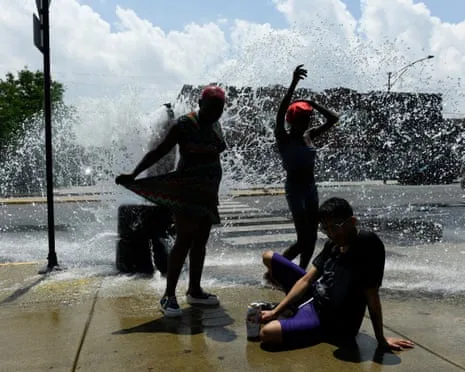
July 2026 marked the hottest month ever recorded for the contiguous United States, reaching an average temperature of 76.9°F (24.9°C), according to NOAA data covering the 48 states excluding Alaska, Hawaii, and territories [1, 2, 3]. This exceeded the previous record set in July 1936 by 0.1°F and was 3.3°F (1.8°C) above the 20th-century average [1, 2, 3, 4]. NOAA's National Centers for Environmental Information reported that all states ranked in the warmest third of their July temperature records with none near or below average [5].
Wyoming recorded its warmest July and warmest month ever, with temperatures 5.1°F (2.8°C) above its average and nearly 0.9°F warmer than its previous July record from 2007 [1, 2, 3]. The extreme heat was widespread, impacting regions including the interior West, Southwest, Rockies, northern Plains, Upper Midwest, Gulf Coast, and Southeast [1, 2, 5]. More than 600 monthly high temperature and high minimum temperature records broke across the country in July, contributing to the record averages [6].
NOAA monitoring chief Russ Vose said, "The range of high temperatures was so widespread that every state in the contiguous US recorded temperatures nearly 0.6 degrees above the last century's average" [7]. Nighttime minimum temperatures rose significantly, a known signature of human-driven climate change [7]. NOAA and climate scientists attribute the July heat to human-caused climate change driven mainly by fossil fuel emissions, combined with record-warm sea surface temperatures and the ongoing El Niño pattern from June 2026 [1, 2, 3, 5].
The extreme heat triggered extensive heat dome events and heatwaves, leading to wildfires and hazardous smoke in the western US and parts of Canada throughout July [1, 2]. Surveys show nearly half of Americans reported major impacts on electricity bills, and many faced disruptions to outdoor activities and travel plans due to the heat [2].
In comparison, England simultaneously experienced drought conditions, with 71.3% of the country under drought and over 27 million people subject to water use restrictions [8]. England’s July rainfall was about 10% of its long-term average, and over 2800 heat-related deaths occurred in the UK so far in 2026 [8].
NOAA announced these findings publicly on August 10. The next scheduled updates on US climate data and temperature trends are expected in coming months as agencies continue monitoring the impacts of current climate patterns [1, 2, 3, 4].