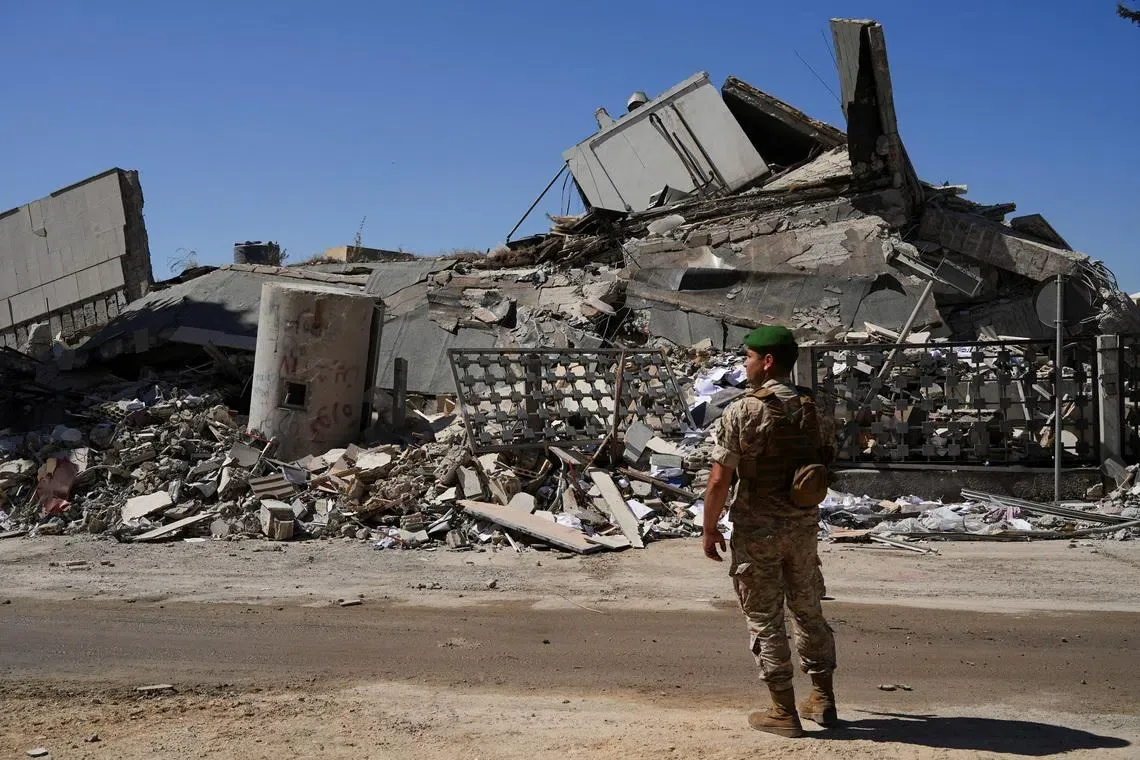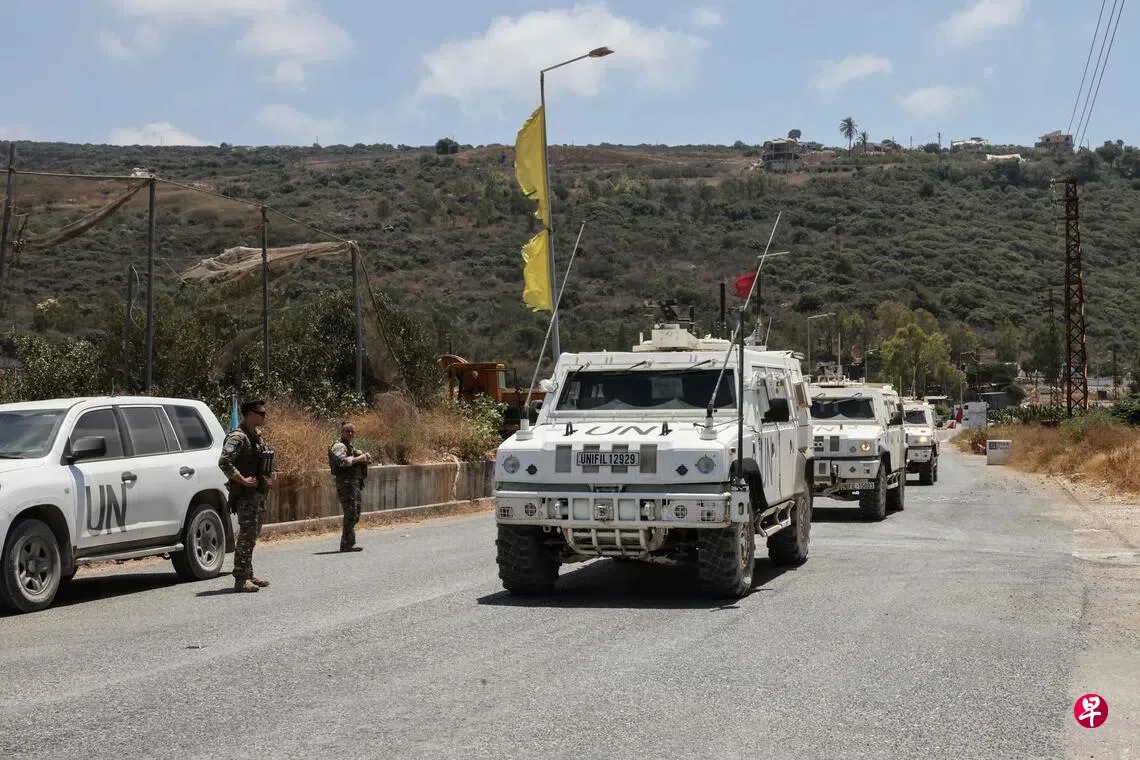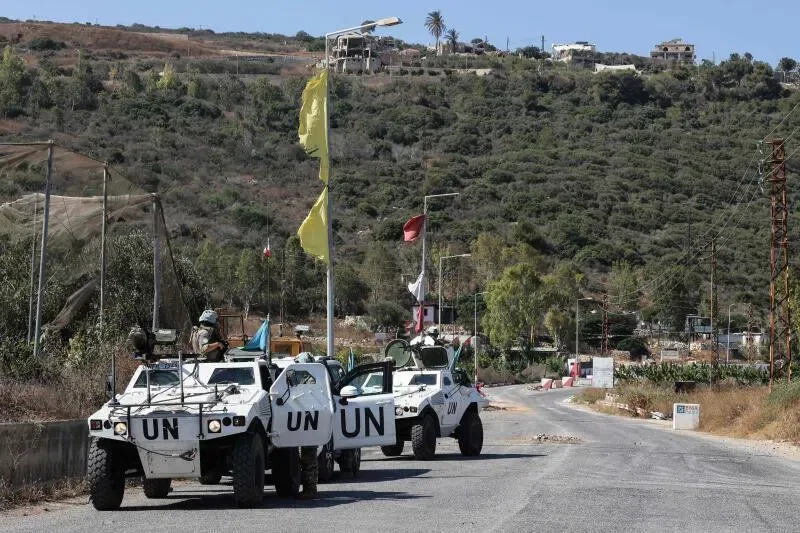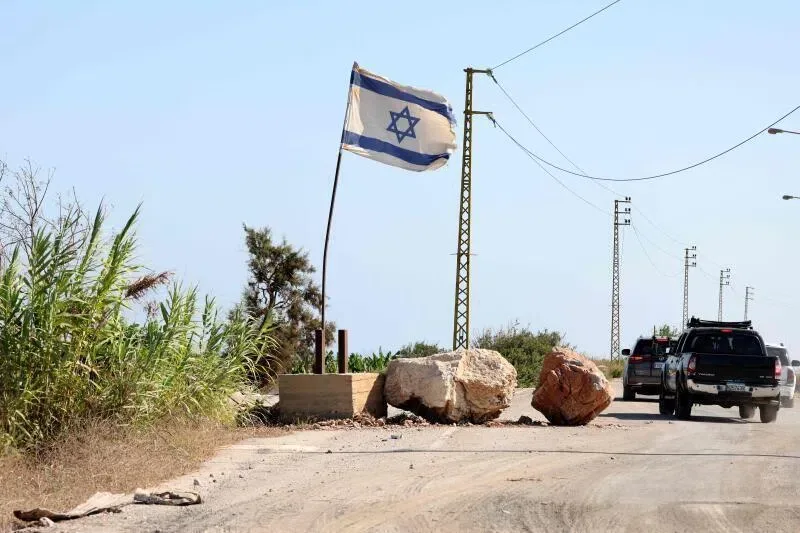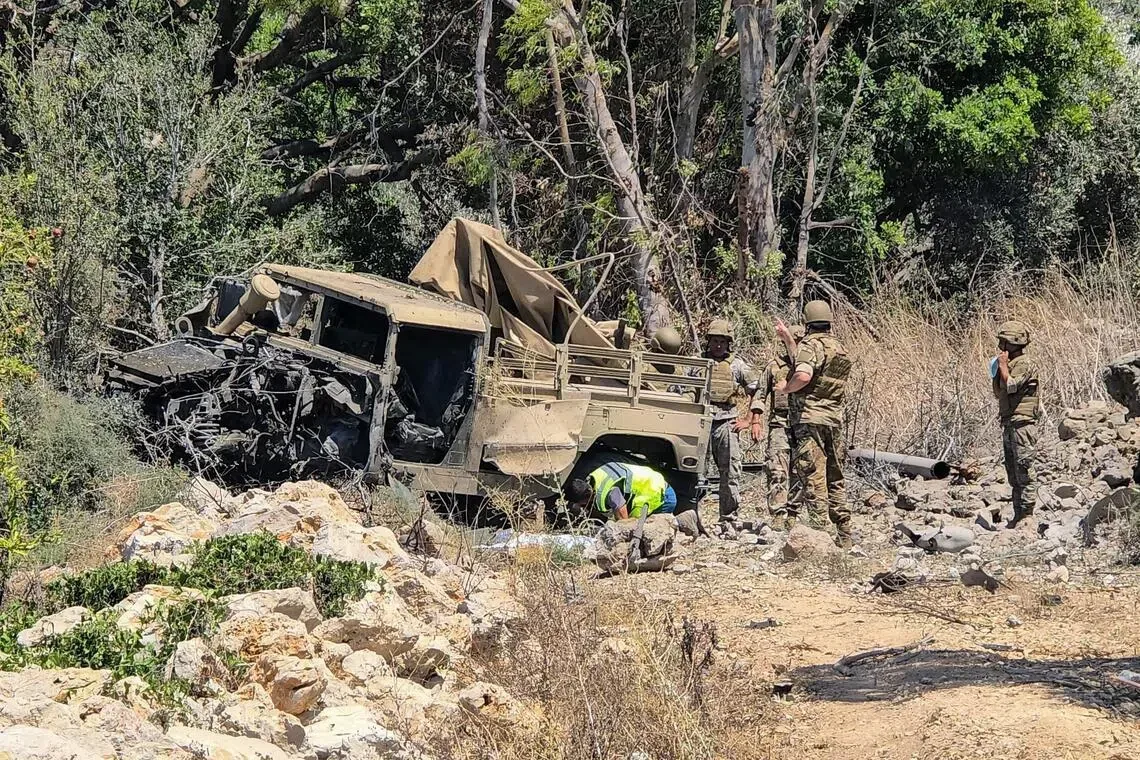
The Lebanese army began assuming security responsibility in the southern villages of Froun, Srifa, and Zawtar al-Gharbiya starting July 20-21, 2026, as part of a framework agreement mediated by the United States with Israel [1, 2, 3, 4, 5, 6, 7, 8, 9, 10]. The agreement seeks to test a phased Israeli withdrawal from parts of southern Lebanon while enabling the Lebanese military to secure the areas fully after ensuring Hezbollah’s weapons and infrastructure are removed [1, 2, 3, 6, 10].
The trilateral framework was signed on June 26, 2026, by Lebanon, Israel, and the US after several negotiation rounds [1, 3, 6, 10]. On July 20-21, Israeli forces began pulling back from Zawtar al-Gharbiya, allowing Lebanese troops to deploy as stipulated by the deal, although Israel continues to maintain a roughly 10-kilometer deep security zone along the border [2, 4, 5, 9]. An unnamed US official called the deployment "a good opportunity for the Lebanese government to regain control of areas historically controlled by Hezbollah" [9].
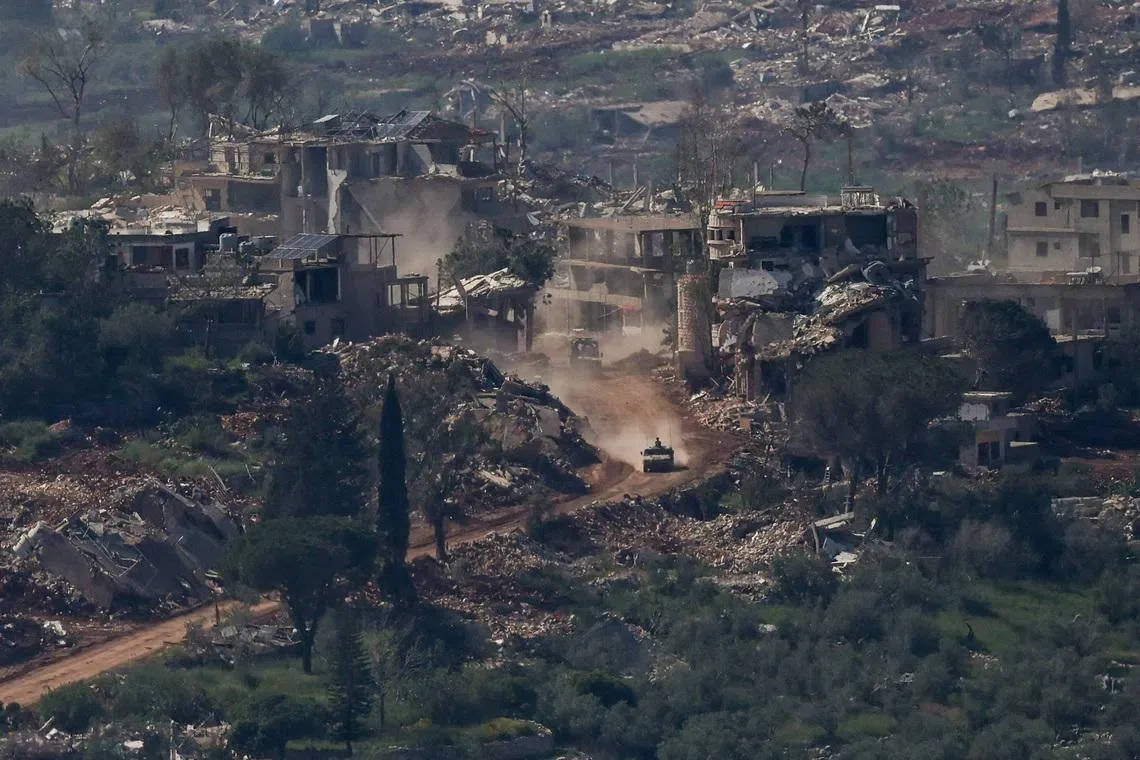
Hezbollah has publicly rejected the framework and has yet to confirm whether it will resist the security handover in the pilot villages. The group insists any agreement must be tied to broader US-Iran negotiations [1, 6, 9]. Meanwhile, many Lebanese families displaced by recent fighting await the clearance of unexploded ordnance and full army deployment before they can return home, especially in Zawtar al-Gharbiya [11].
Lebanese Prime Minister Nawaf Salam visited Zawtar al-Gharbiya on July 21, planting the Lebanese flag and stressing the desire for Israel’s full withdrawal from Lebanese territory. He said, "What we are seeing today is just the beginning, but we remain determined and steadfast" to achieve a full Israeli pullout [11]. Lebanese President Joseph Aoun was also in Washington on July 21, highlighting the diplomatic push behind these efforts [4, 5, 9].
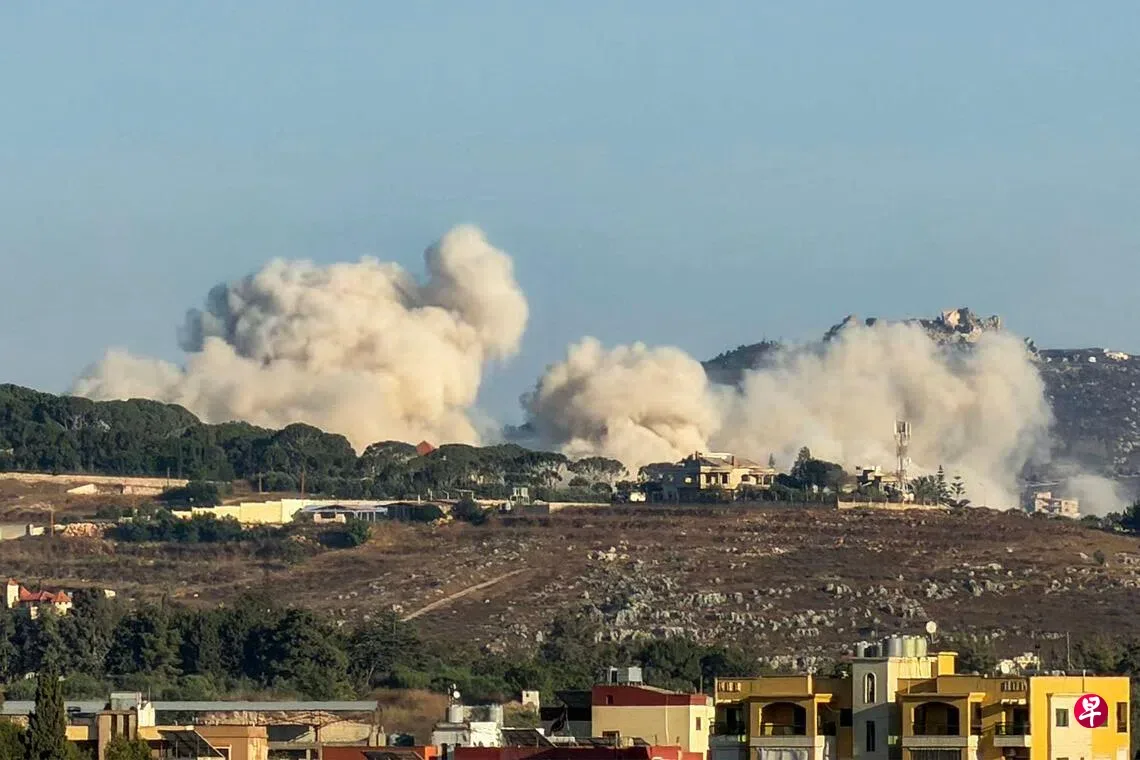
Israel has warned it will respond firmly to any violations within its security zone during the pilot program, maintaining a cautious posture even as the withdrawal phases proceed [1, 2, 7, 9]. The framework does not specify a fixed timeline for Israel’s full withdrawal, making its completion dependent on Lebanese army control and Hezbollah disarmament [1, 6, 10].
Disagreement exists over the pace of the initial Lebanese army deployment. Some local officials said Israeli forces remained near Zawtar al-Gharbiya on July 20 and no change was visible, but multiple sources confirmed Lebanese troops started increasing patrols and deployments in the three pilot villages on July 20-21 [1, 2, 4, 5, 6, 9].
Since March 2, 2026, Israeli attacks in Lebanon have killed 4,328 and injured 12,227, intensifying urgency around the framework’s implementation [10]. US State Department spokesman Tommy Pigott described the village security handovers as "a direct outcome of last week’s discussions between Israel and Lebanon in Rome," promising close US support to realize the framework’s goals [10].