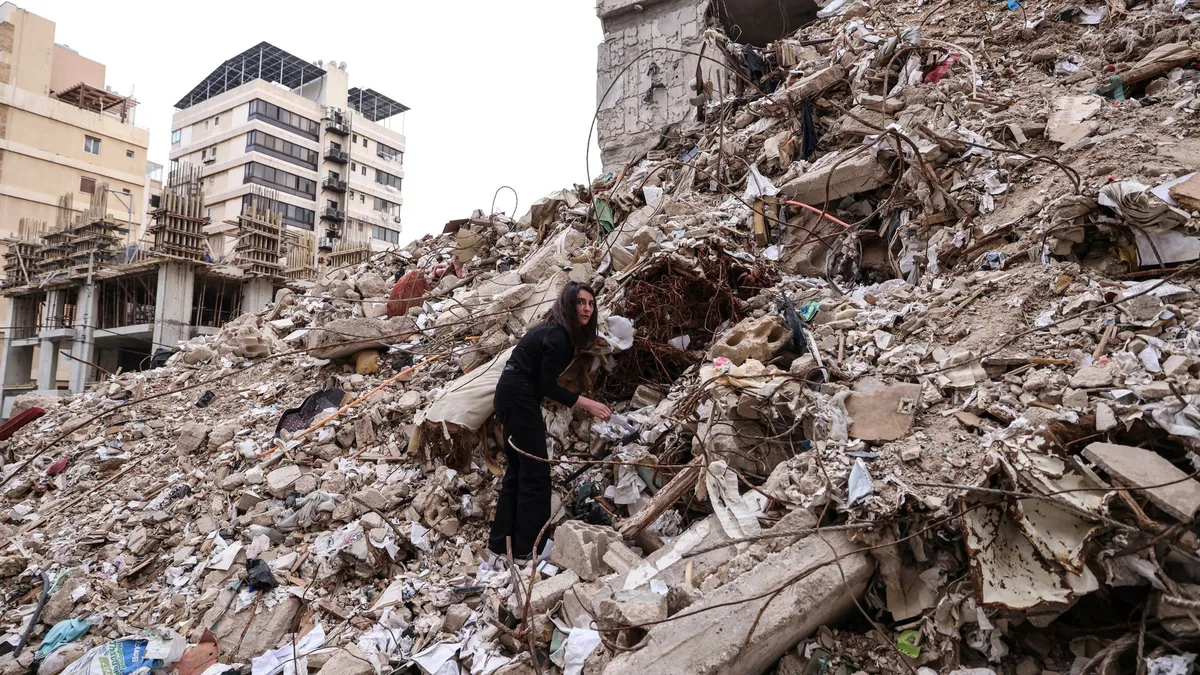
Lebanese Parliament Speaker Nabih Berri told US officials Hezbollah is prepared to implement a full and immediate ceasefire with Israel, covering ground, air, and sea operations, including a halt to Israeli house demolitions in southern Lebanon [1]. Berri’s advisor Ali Hamdan said on Sunday he informed the US ambassador in Beirut, Michel Issa, that Hezbollah will “totally commit to a comprehensive ceasefire and we are ready to guarantee it” [1].
The US response proposed a phased ceasefire that begins with Hezbollah stopping attacks on northern Israel and Israel ceasing strikes on Beirut, with the intention to gradually expand the truce across Lebanon [1]. Ali Hamdan quoted Berri rejecting the US’s partial approach, saying, “Why a partial ceasefire? Let's have a full ceasefire.”
Lebanese government leaders are engaged in intensive talks with US officials to consolidate a ceasefire agreement across the country [2]. The US pledged a ceasefire in Beirut with efforts to extend it to all of Lebanon [2].
However, US officials expressed doubts that Israeli Prime Minister Benjamin Netanyahu would agree to the full ceasefire proposal [1]. Meanwhile, Iran’s negotiating team suspended message exchanges with the US in protest against Israeli actions in Lebanon on June 1 [1].
The timeline of recent events shows that on May 31 Berri assured the US ambassador about Hezbollah’s readiness for a full ceasefire and guaranteed implementation [1]. The following day, June 1, the US pledged a ceasefire in Beirut and began talks to expand it countrywide while Iran halted communications with the US over the situation [1, 2].
Lebanese efforts continue to consolidate the ceasefire with US officials as tensions remain heightened between Israel and Lebanese factions. Further negotiations and diplomatic contacts are expected in the coming days to seek a wider cessation of hostilities.