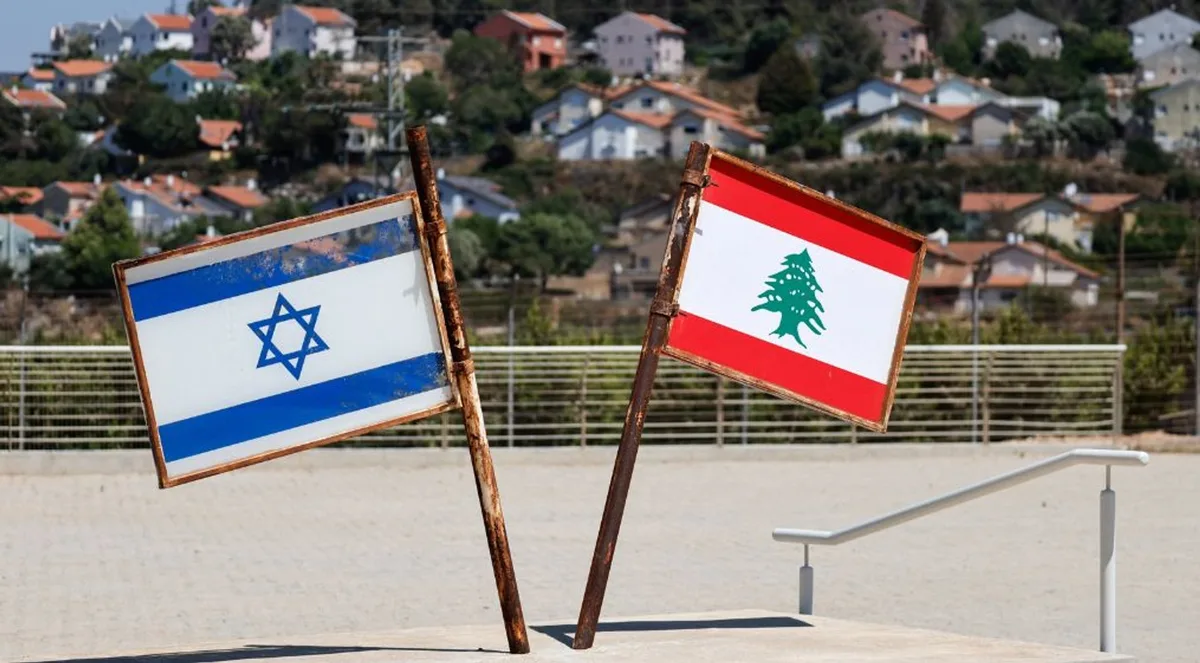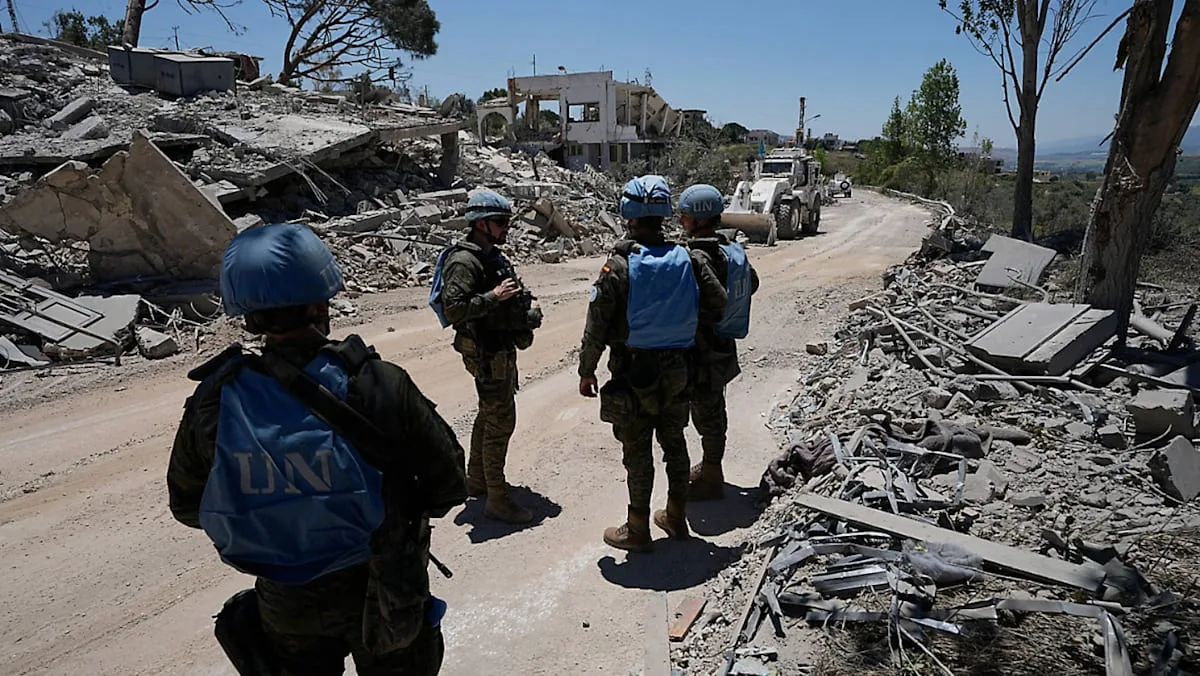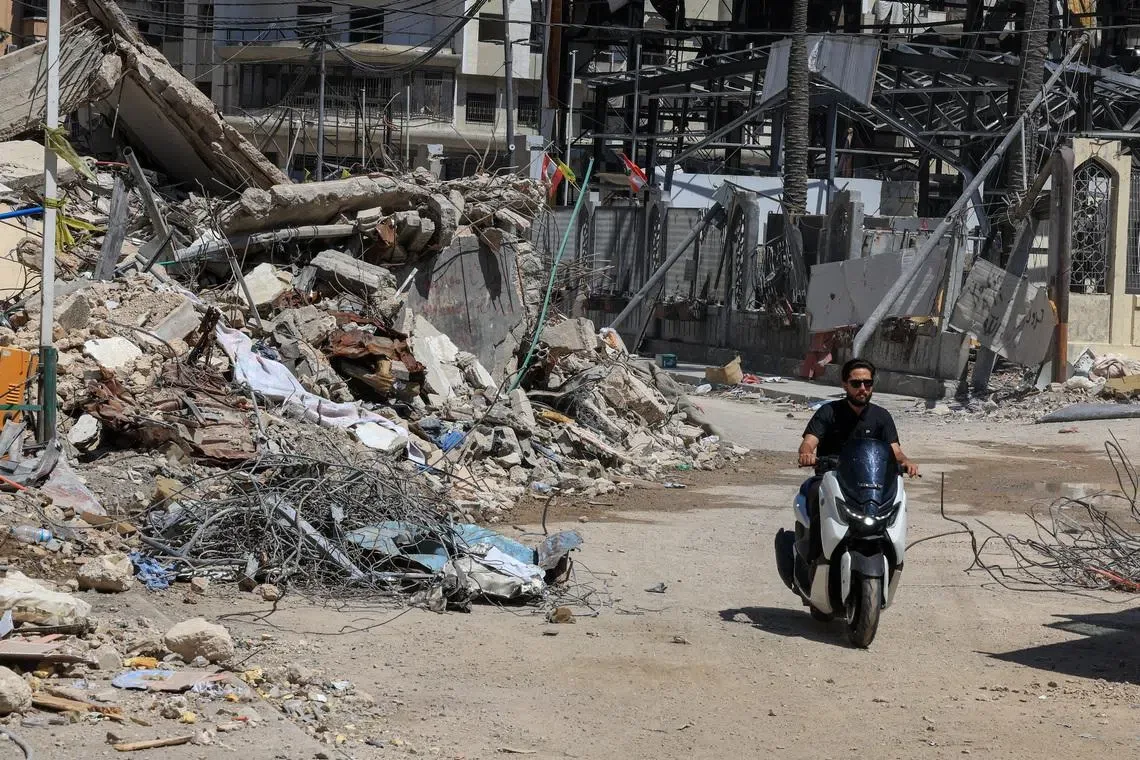
Lebanon and Israel held their sixth round of US-brokered face-to-face talks on July 14-15, 2026, in Rome, focusing on implementing pilot zones in southern Lebanon as part of a phased withdrawal plan [1, 2, 3, 4, 5].
The pilot zones stem from a framework agreement signed on June 26, 2026, which outlines Israeli withdrawal from parts of southern Lebanon. Under the deal, Lebanese troops would replace Israeli forces in those areas while Hezbollah would be disarmed [1, 2, 3, 4, 5].
A US official described the talks as productive and positive, saying "We agreed on the structure and guidelines for the pilot zone process, to be finalised and implemented in the coming days" [1]. Another US official noted the discussions were held in a positive atmosphere [4].
These talks mark the sixth direct negotiation since a new Israel-Hezbollah war erupted on March 2, 2026, which has killed over 4,300 people, injured more than 12,000, and displaced over 1 million according to Lebanese sources. Israel currently controls a buffer zone roughly 10 km into southern Lebanon and continues intermittent strikes [1, 2, 6, 4, 5].
The pilot zones under discussion may include towns such as Zawtar al-Gharbiyah, Zawtar al-Sharqiyah, al-Ghandouriyah, Burj Qalawiyah, Sarifa, and Frun [2]. An anonymous senior Lebanese official said the implementation of two pilot areas would begin "within days in response to a Lebanese request, stressing that progress had been made by the end of the Rome discussions" [5].
The framework links Israeli withdrawal to the Lebanese army assuming full security responsibility and Hezbollah’s disarmament, though Hezbollah rejects disarming and opposes the talks, maintaining that only pressure from Iran can end the conflict and Israeli presence [1, 2, 6, 4, 5].
Observers view the pilot zones as a test of Israel’s willingness to pull back and Lebanon’s ability to reassert sovereignty in the south. Sami Halabi from Badil: The Alternative Policy Institute said, "We’re at the point where Lebanon is moving from performing its sovereignty to piloting its sovereignty through these pilot zones" [2].
Despite ongoing Israeli strikes and Hezbollah’s opposition, the negotiation process continues. Efforts to finalize and implement the pilot zone framework are expected to proceed within days following the Rome meeting [5].