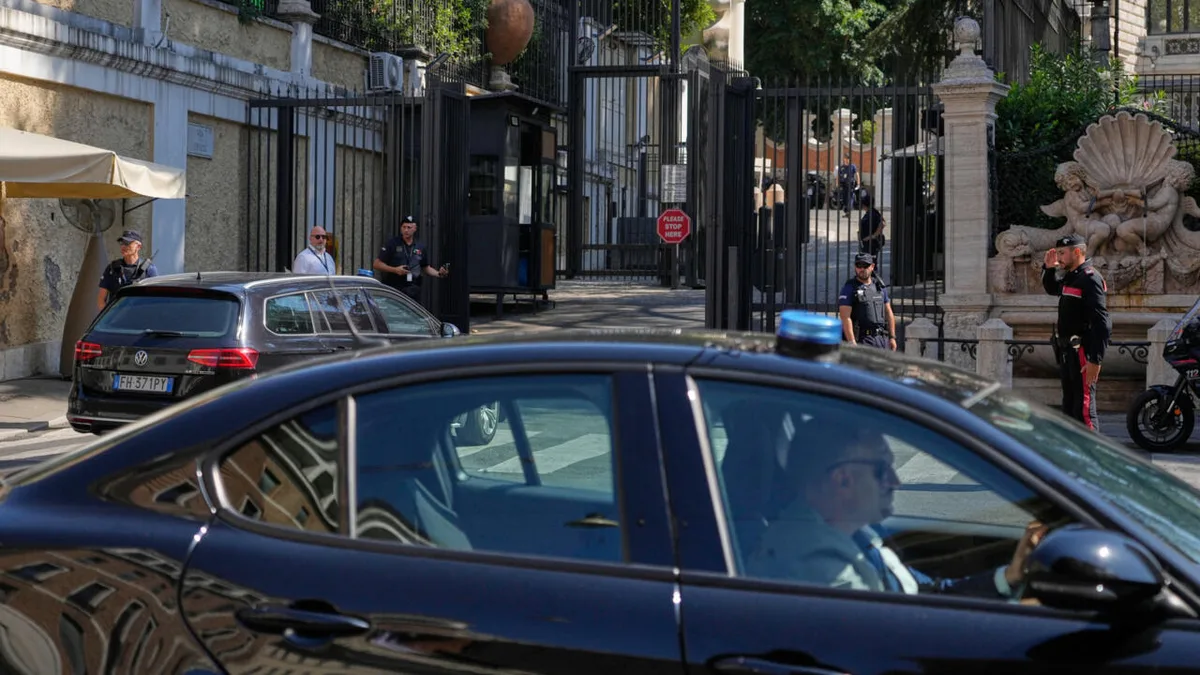
Lebanon and Israel held their seventh round of direct US-brokered talks in Rome from August 4 to August 6, 2026, focusing on phased Israeli withdrawal from southern Lebanon and the enforcement of a ceasefire and security arrangements [1, 2, 3, 4]. The two countries aim to implement a framework agreement signed in June 2026, which outlines a gradual Israeli withdrawal, deployment of the Lebanese army in cleared areas known as “pilot zones,” and the disarmament of Hezbollah [1, 2, 3, 4].
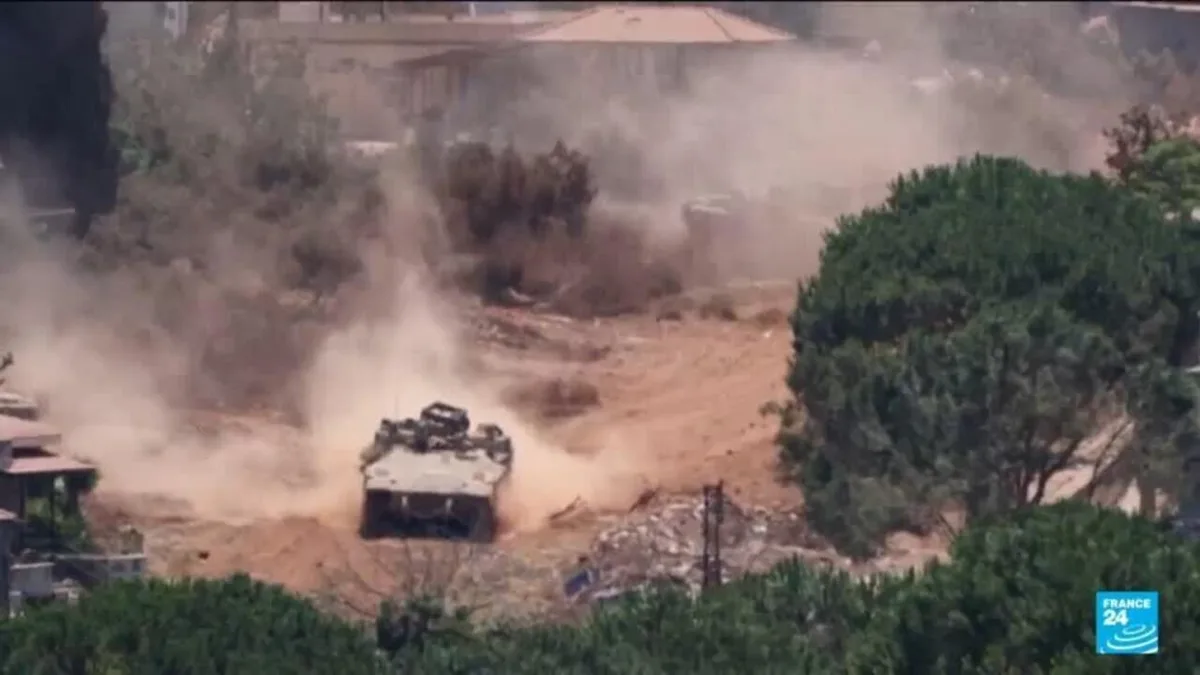
In July 2026, Israel withdrew from the outskirts of the village Zawtar al-Gharbiya as the first pilot zone. The Lebanese army then deployed to the area, allowing residents to inspect their properties [1, 2]. The US State Department said the talks would work toward expanding pilot zones, resolving border disputes, and achieving a comprehensive peace and security agreement [1].
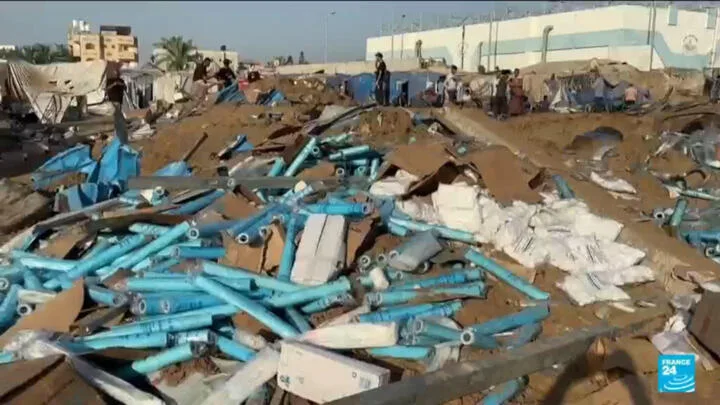
Despite the framework, Israeli military operations in Lebanon have continued since March 2, 2026, leading to heavy casualties. The Lebanese Health Ministry has reported over 4,300 killed and more than 12,000 injured due to the fighting [1, 3, 4]. Lebanese Prime Minister Nawaf Salam said on August 3 that Lebanon is pursuing successive Israeli withdrawals toward a full withdrawal of Israeli forces from Lebanese territory [1].
The latest talks in Rome are the second held there after five prior meetings in Washington, totaling seven rounds so far [2, 3, 4]. Key unresolved issues remain, notably the sequencing and conditions for Hezbollah’s disarmament. Lebanon rejects Israeli demands to discuss disarmament before border issues, while Israel initially pushed for disarmament first but reportedly softened its stance in recent talks [2]. The agreement includes Hezbollah’s disarmament, but details remain disputed [1, 3, 4].
Participants also debated the status of Ali Taher Hill, a site Israel claims conceals Hezbollah command and weapons facilities near Nabatieh. Lebanon denies any Israeli presence there and says there is nothing for the Lebanese army to replace [2].
Hezbollah leader Naim Qassem criticized the negotiations on August 4, saying the direct talks bring “nothing but shame, humiliation, and successive compromises” for Lebanon. He also accused Lebanese President Joseph Aoun of being biased and divisive instead of a unifying figure [1, 5]. US Ambassador to Lebanon Michel Issa cautioned that “moving too quickly risks jeopardising the very civilians this process is meant to protect” [1]. Italian Foreign Minister Antonio Tajani called on parties to “continue in a constructive spirit, identifying shared solutions that will allow for the full implementation of the framework agreement” [1].
The talks addressed mechanisms for verifying Israeli withdrawal and Lebanese army deployment, including naming a third party, with Italy reportedly considered as a potential verifier [2, 4]. The next formal developments are expected as Lebanon and Israel work to expand pilot zones and finalize operational details of the framework agreement.