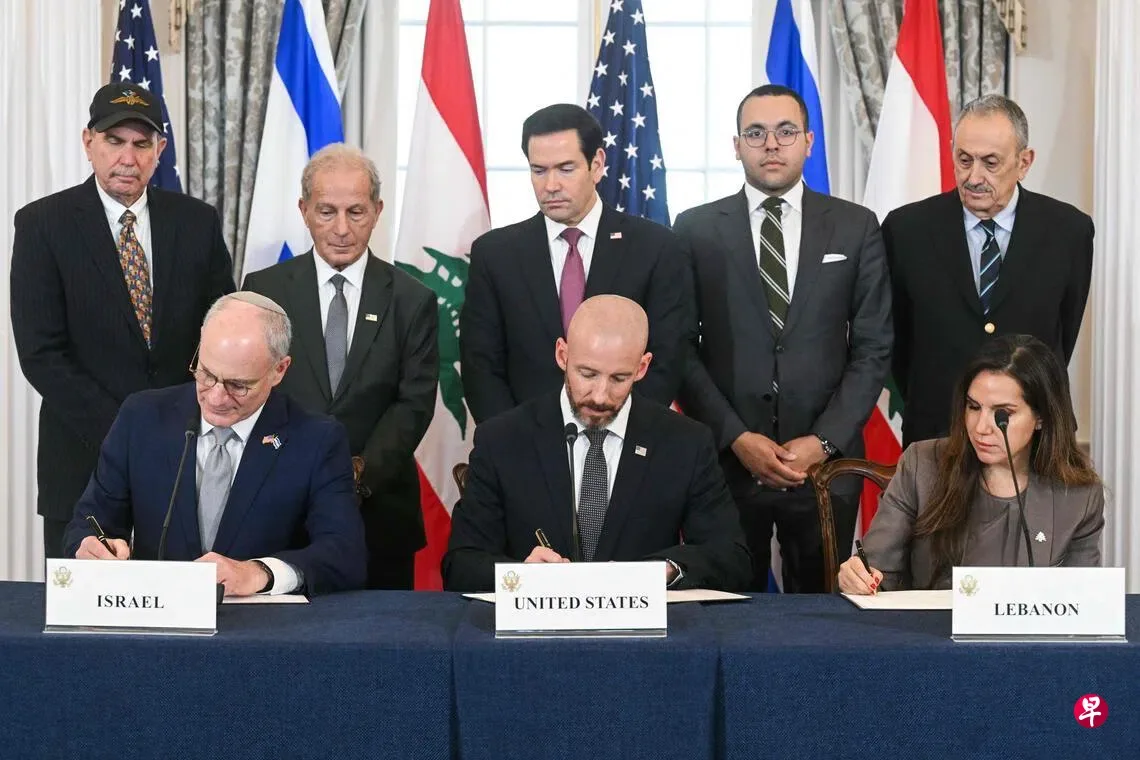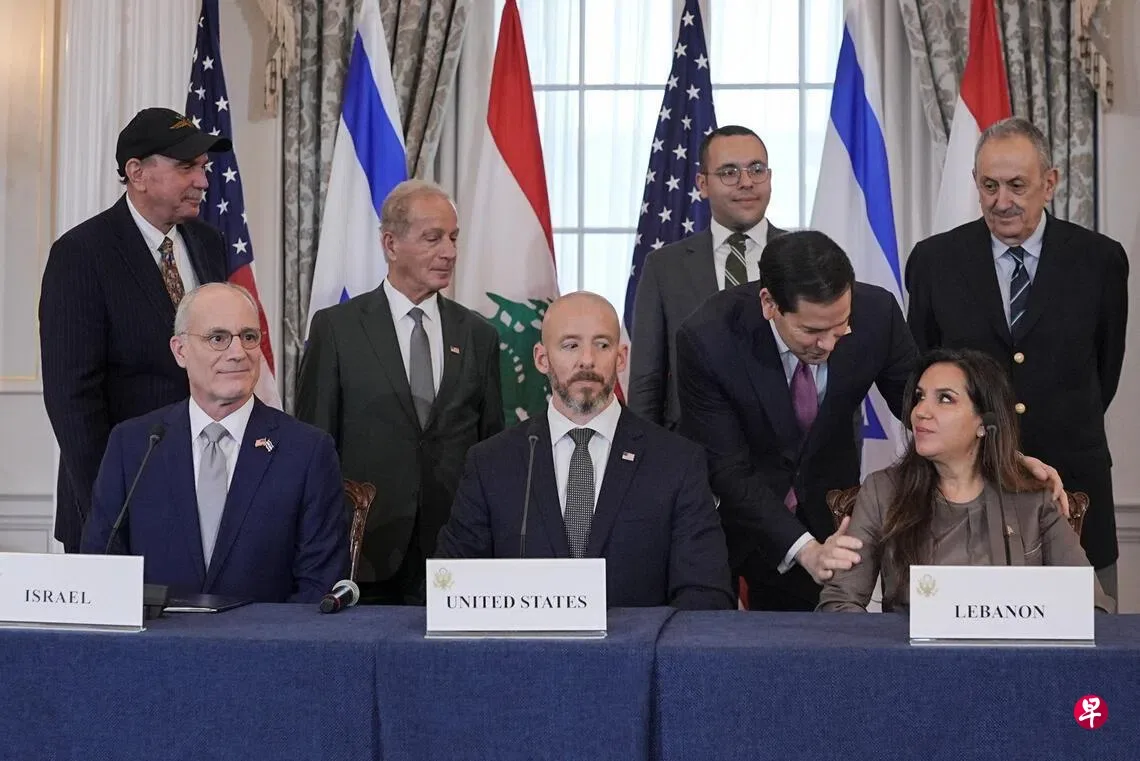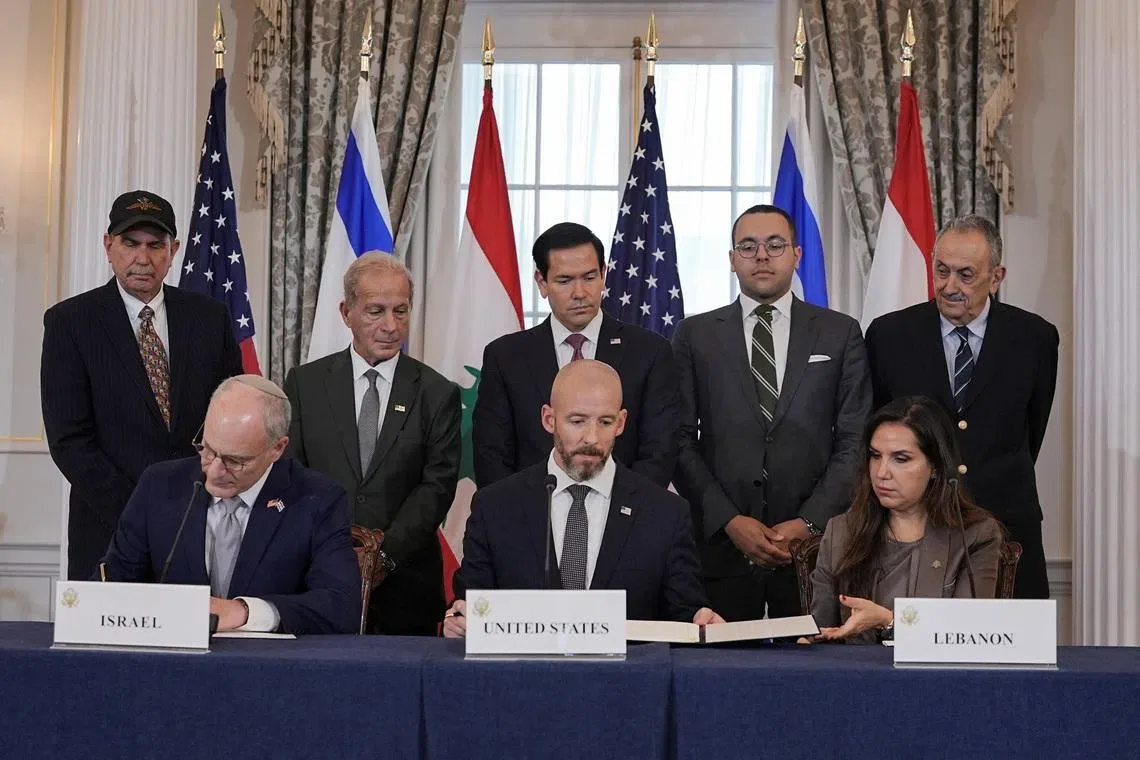
Israel and Lebanon signed a trilateral US-mediated framework agreement in Washington on June 26, 2026, aimed at establishing lasting peace and security between the two countries [1, 2, 3, 4, 5, 6, 7, 8]. The deal was described by US Secretary of State Marco Rubio as "the beginning of the beginning," emphasizing that significant challenges remain ahead [1, 3, 4, 5, 7, 8].
The framework includes a phased plan for Israeli forces to withdraw from parts of southern Lebanon, with the Lebanese Armed Forces taking control of about 9.7 kilometers (6 miles) of pilot security zones currently occupied by Israel [2, 3, 9, 10, 7, 8]. The agreement seeks to restore Lebanese sovereignty and dismantle Hezbollah’s military infrastructure, aiming to disarm the group. However, Hezbollah was not part of the talks and has rejected the agreement [1, 3, 9, 10, 5, 6, 11, 8].
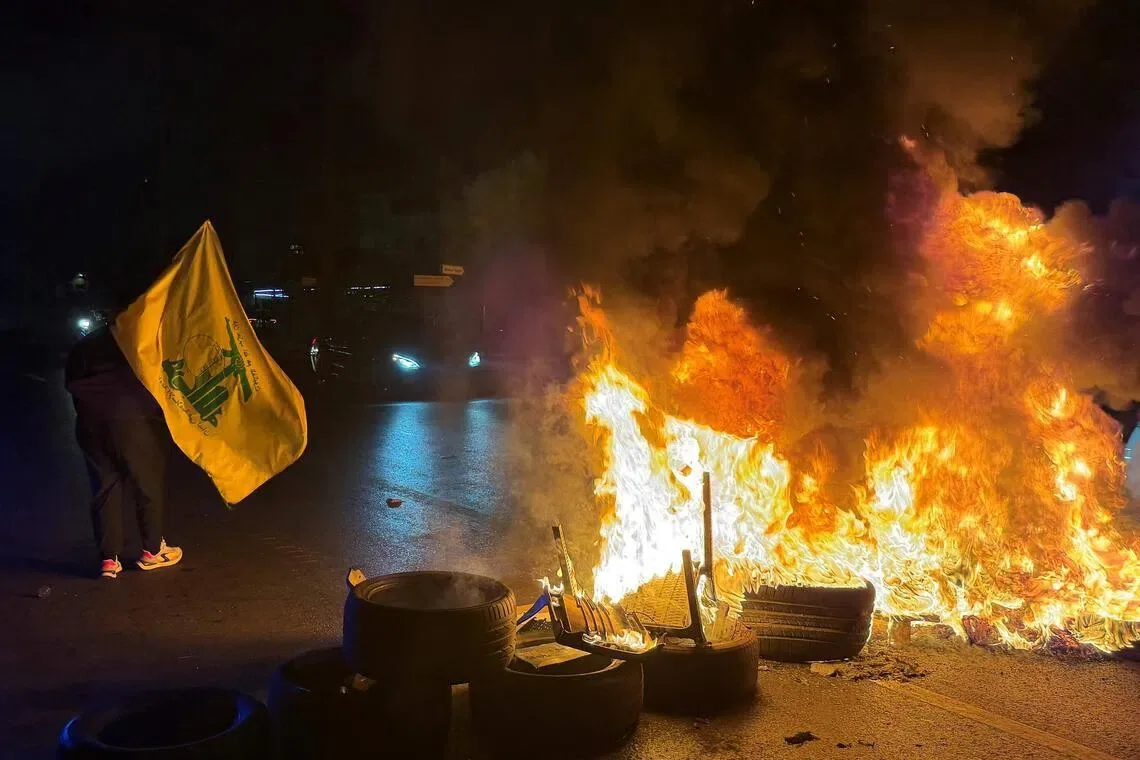
Hezbollah leader Naim Qassem denounced the deal as "humiliating, shameful, and a surrender of sovereignty," calling it "null and void" and rejecting any links between Israeli withdrawal and Hezbollah disarmament [9, 12, 10, 11, 8]. He demanded that "Israel must unconditionally withdraw from every inch of Lebanese territory" [8]. Following the signing, protests broke out in Beirut led mainly by Hezbollah supporters opposing the framework, with demonstrators calling the agreement a betrayal [9, 10, 11].
Israeli Prime Minister Benjamin Netanyahu called the agreement "a historic deal for the State of Israel" and "a blow to Iran and Hezbollah," but stated that Israel will "continue to be stationed in the security zone until Hezbollah and other terror organizations are disarmed" [3, 12, 10, 8]. This contrasts with framework provisions describing phased Israeli withdrawal and Lebanese army control over certain zones [2, 7].
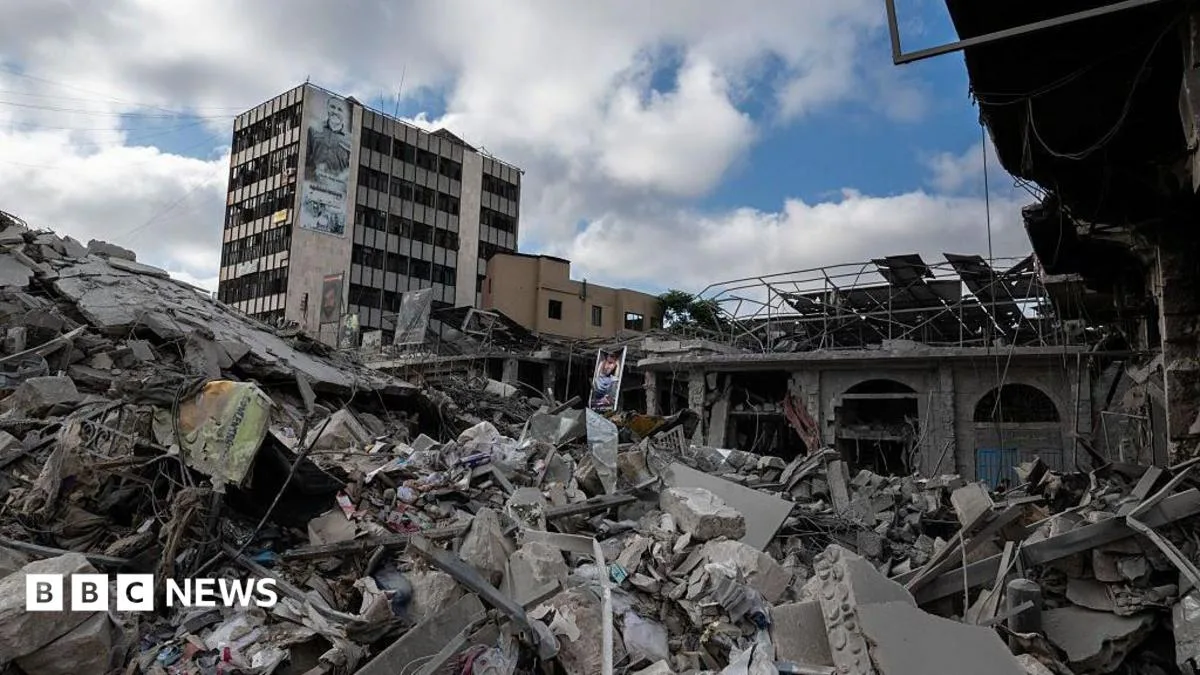
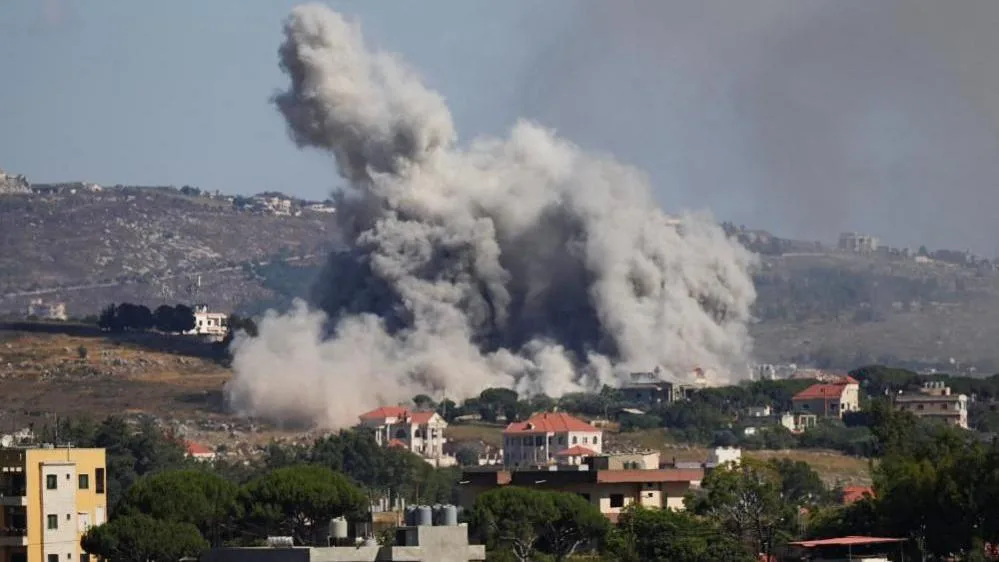
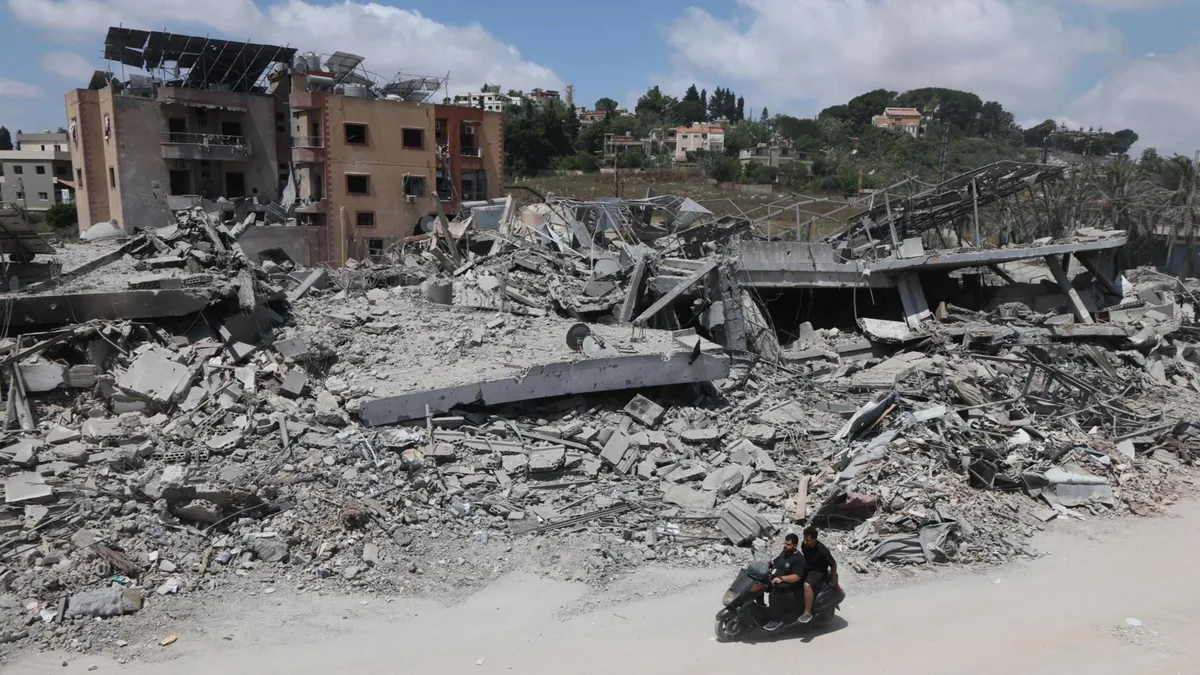
The United States pledged $30 million to strengthen the Lebanese military and $100 million in humanitarian aid coordinated with the United Nations to support the country’s recovery [3, 12, 10, 8]. The agreement follows months of conflict that began March 2 when Hezbollah launched rocket attacks on Israel, sparking Israeli military responses and occupation of parts of southern Lebanon. The fighting resulted in over 4,000 deaths in Lebanon and at least 32 to 37 Israeli soldiers killed [1, 2, 5, 8].
An earlier US-mediated ceasefire in April failed to stop intermittent clashes between the parties [1, 2, 8]. The new agreement came after the US and Iran signed a memorandum in mid-June to halt military operations on all fronts, including Lebanon [4, 7].
The next concrete step involves Lebanese Armed Forces assuming control of designated security zones and the gradual withdrawal of Israeli troops, under the terms set by the framework [2, 3, 10, 7]. The situation remains fragile with Hezbollah’s rejection creating uncertainty over implementation.