Lebanon announced a partial ceasefire on June 1 between Hezbollah and Israel, calling on Israel to halt strikes on Beirut and southern suburbs, and demanding Hezbollah stop attacks on Israel [1, 2]. US President Donald Trump said he communicated through intermediaries with Hezbollah and claimed both sides agreed to stop shooting at each other. Trump added Israeli Prime Minister Benjamin Netanyahu agreed to pull back troops preparing to attack Beirut and that no new Israeli forces would be sent there [1, 2].
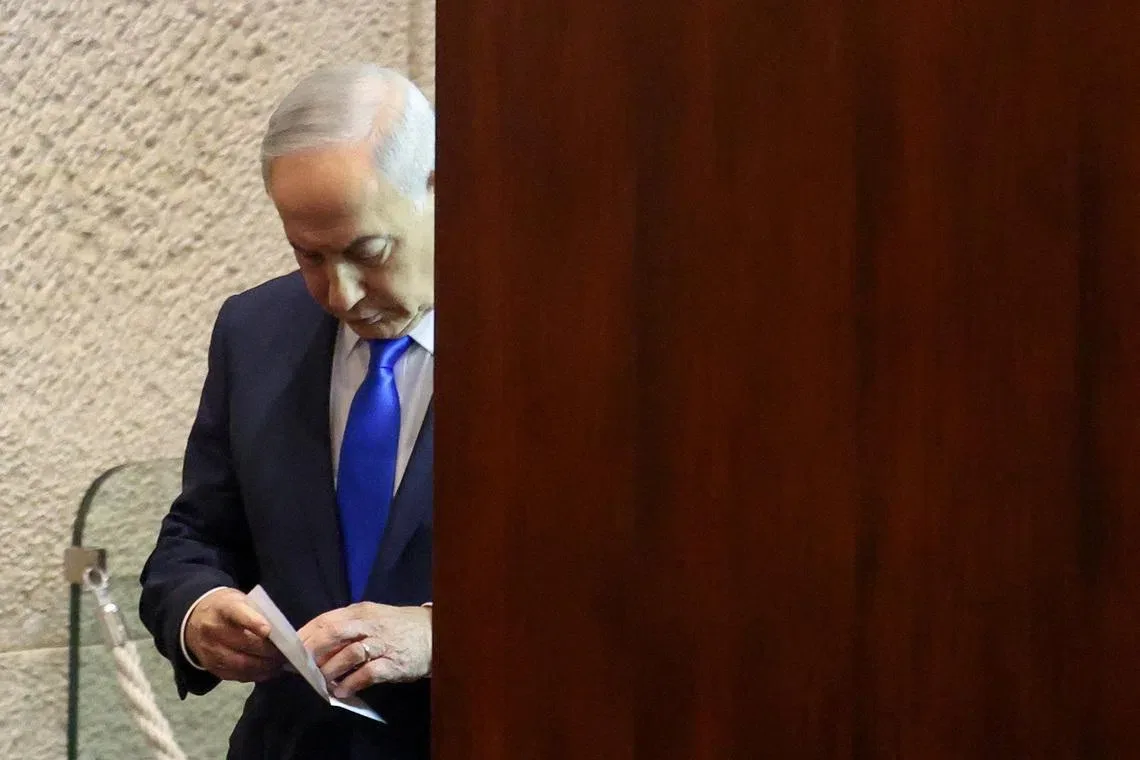
Despite these announcements, hostilities continued in southern Lebanon after the evening of June 1, with exchanges of fire reported. Netanyahu stated Israel would keep military operations in southern Lebanon active and that Israel’s stance had not changed despite Trump's ceasefire announcement [1, 3]. Hezbollah lawmaker Hassan Fadlallah said the group would support a full ceasefire across Lebanon as a condition for Israeli troop withdrawal but did not confirm a halt to attacks on Israel [1].
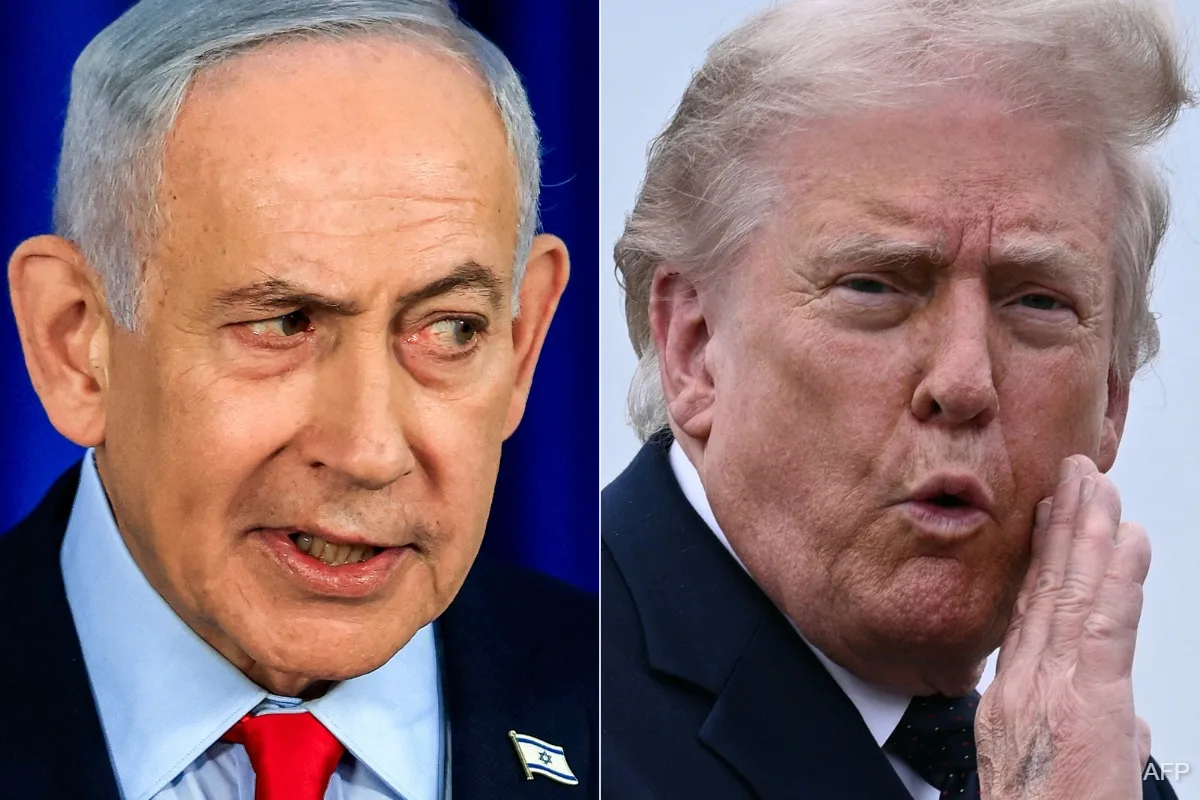
Tensions surfaced in Washington as Trump and Netanyahu had a tense phone call on June 1, with Trump reportedly berating Netanyahu over his Lebanon war strategy: "Are you f-ing crazy? What are you f-ing doing? I helped you stay out of jail. Bibi, we gotta stop this," Trump said [4, 5, 6, 7]. Netanyahu downplayed the row and said both leaders share the goal of disarming Hezbollah to save Lebanon and achieve peace [4, 5, 6, 7].
Some hawkish Israeli politicians criticized Netanyahu for conceding too much to US pressure and for holding back on bombing Beirut, with Naftali Bennett calling it "a government that has lost control of Israeli sovereignty" [3, 8]. A poll showed Netanyahu’s support waning in northern Israel amid demands for a tougher stance against Hezbollah, who have killed over 50 civilians there since October 2023 [9].
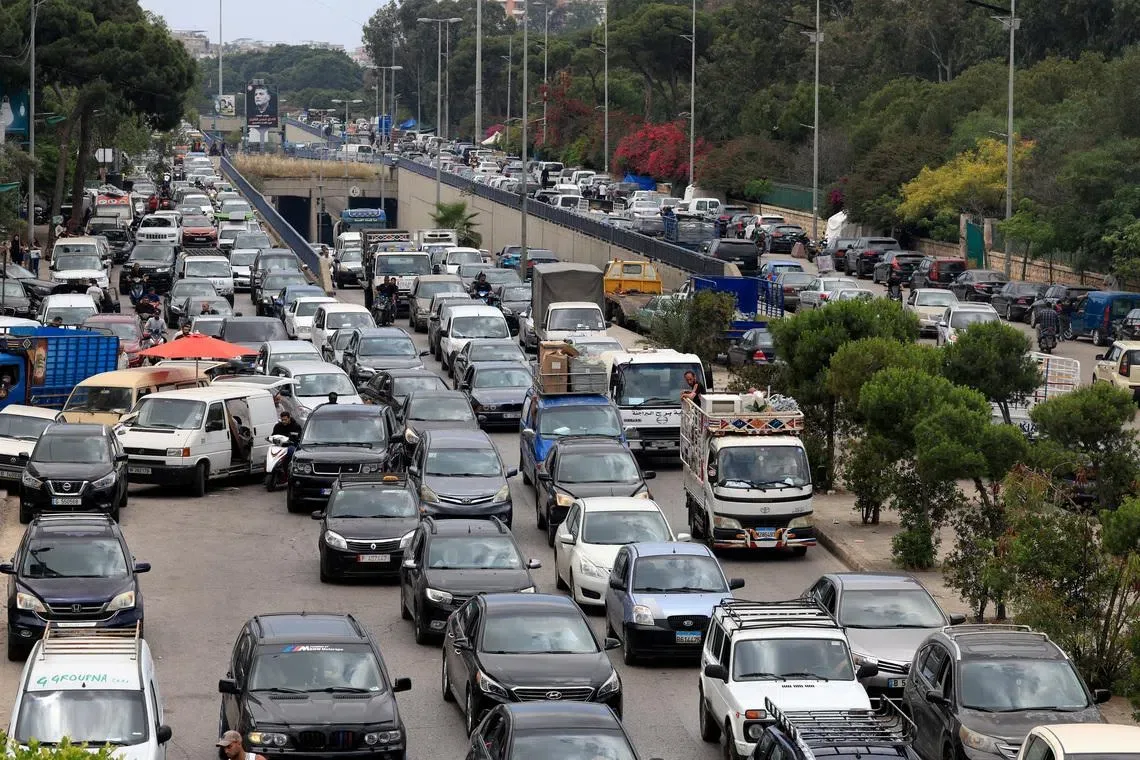
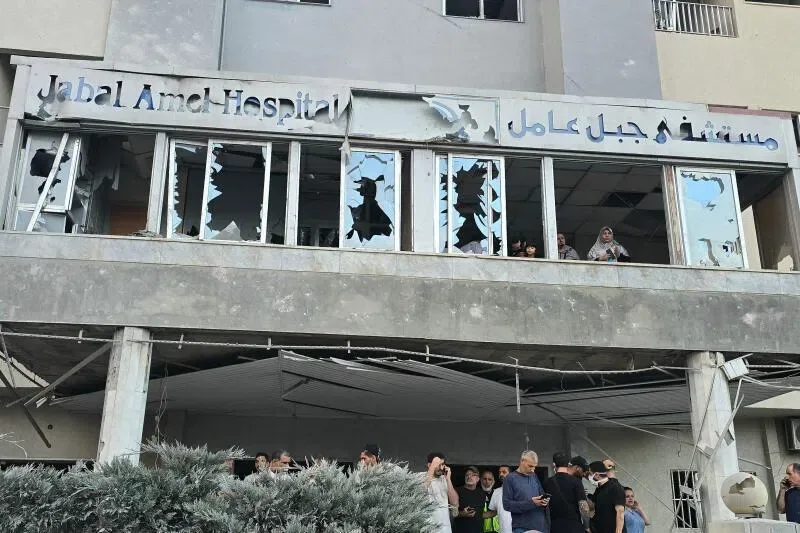
The conflict began on March 2, with Hezbollah attacks supporting Iran triggering an Israeli invasion of southern Lebanon. Thousands of Lebanese civilians have been killed or displaced, while Israel reported 26 soldiers and 4 civilian deaths since the war’s start [1, 3, 9]. Iran, opposing Israeli attacks in Lebanon, threatened to end ceasefire talks and supported Hezbollah’s position [1, 10]. The US recently conducted strikes on Iran’s Qeshm Island and intercepted Iranian missiles targeting Kuwait and Bahrain amid broader regional tensions [10].
Lebanon said on June 3 it would seek to expand the ceasefire in upcoming talks with Israel in Washington. Netanyahu reaffirmed on June 3 the shared goal of disarming Hezbollah despite criticisms and ongoing conflict [1, 4, 5, 6, 10].