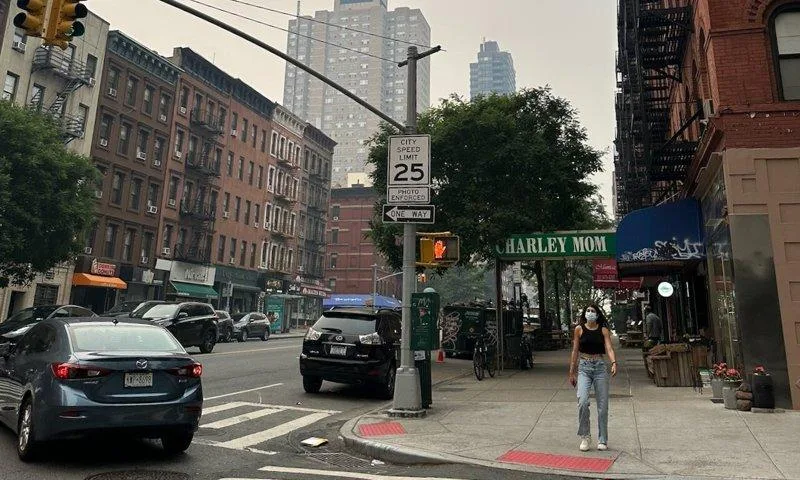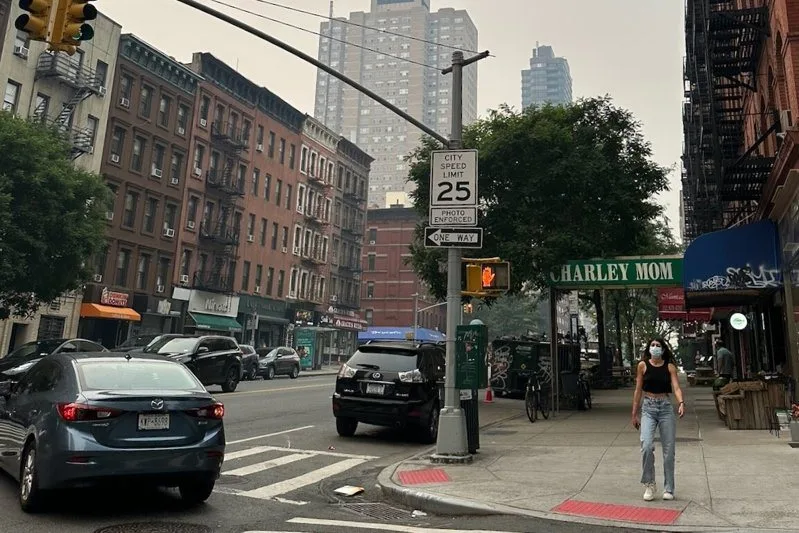
A cluster of Legionnaires' disease cases has affected Manhattan's Upper East Side, with at least 74 confirmed infections reported by July 19, 2026, and three deaths linked to the outbreak [1]. The New York City Health Department confirmed 67 infections and one death as of July 17, with 12 patients hospitalized at that time [2, 3, 4, 5, 6]. By July 19, the case count increased to 74 infections and three deaths, with eight patients currently hospitalized [1].
Health officials identified the outbreak on July 2 after detecting Legionella bacteria in cooling towers across the neighborhood, including at prominent locations such as the Solomon R. Guggenheim Museum and the Metropolitan Museum of Art [5, 6, 1]. More than 75 building cooling towers tested positive for the bacteria, prompting city orders for owners to clean and disinfect the towers to stop further spread [2, 3, 4, 5, 6, 1].
Legionnaires' disease is a severe form of pneumonia caused by inhaling water droplets contaminated with Legionella bacteria, which thrive in warm, stagnant water [2, 3, 4, 5, 6, 1]. Symptoms include high fever, cough, headache, chest pain, and in severe cases, altered mental status [2, 3, 4, 6, 1]. Older adults and people with chronic illnesses face the highest risk of serious illness [2, 3, 4, 6, 1]. The Health Commissioner, Dr. Alister F. Martin, expressed condolences over the loss of life, saying, "I am saddened to report that one person has died in connection with the Legionnaires’ disease community cluster on the Upper East Side. My deepest condolences are with their loved ones," and noted respect for privacy around the victims [6, 1].
The outbreak is not linked to New York City's drinking water or indoor air conditioning systems, and Legionnaires' disease is not spread between people but through inhalation of contaminated water aerosols [6]. The number of new daily cases has declined in the week leading up to July 17, dropping from about 5-10 per day earlier in July to roughly one per day by mid-July [2, 3, 4].
This episode is smaller than the severe 2025 outbreak in Central Harlem, which involved over 100 cases and seven deaths [2, 3, 4, 5]. The city's ongoing monitoring and cleaning efforts aim to control the spread. Authorities continue to test and disinfect building systems that tested positive for Legionella, with more than 75 cooling towers implicated so far [6, 1].