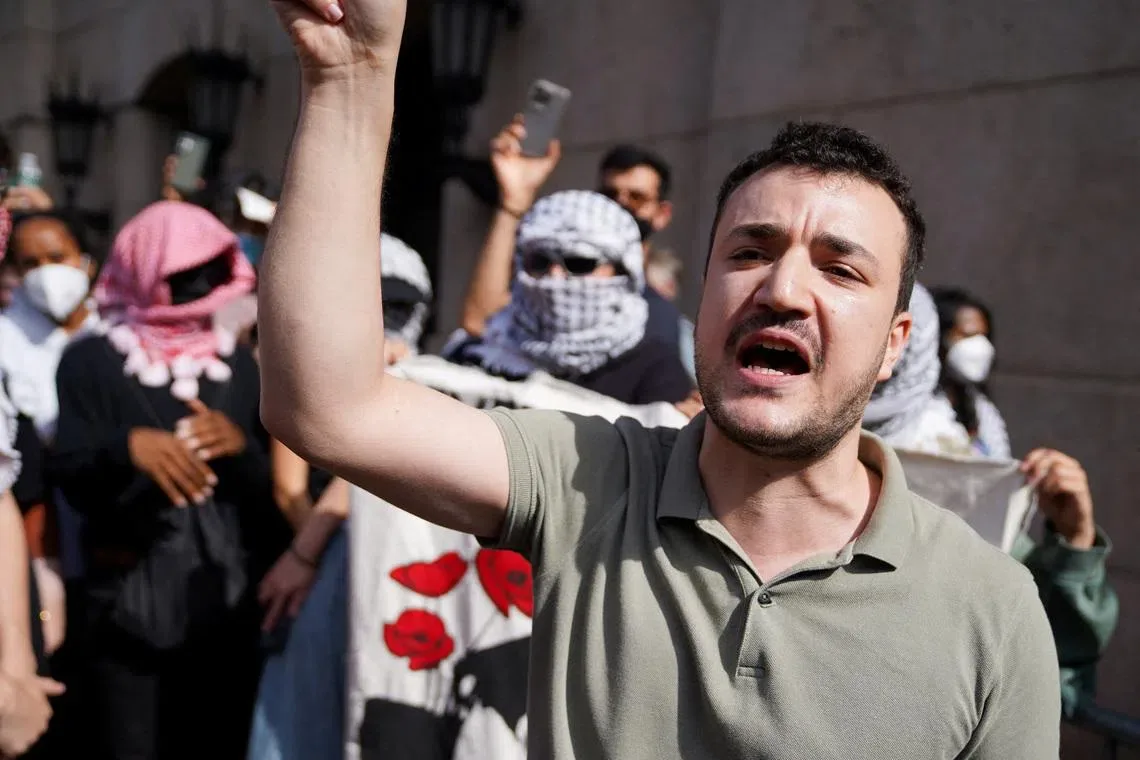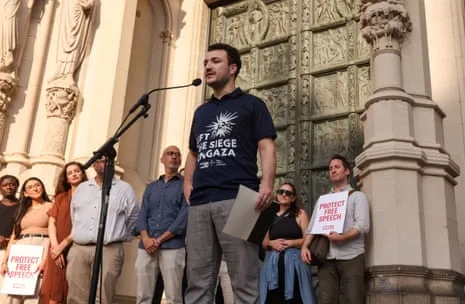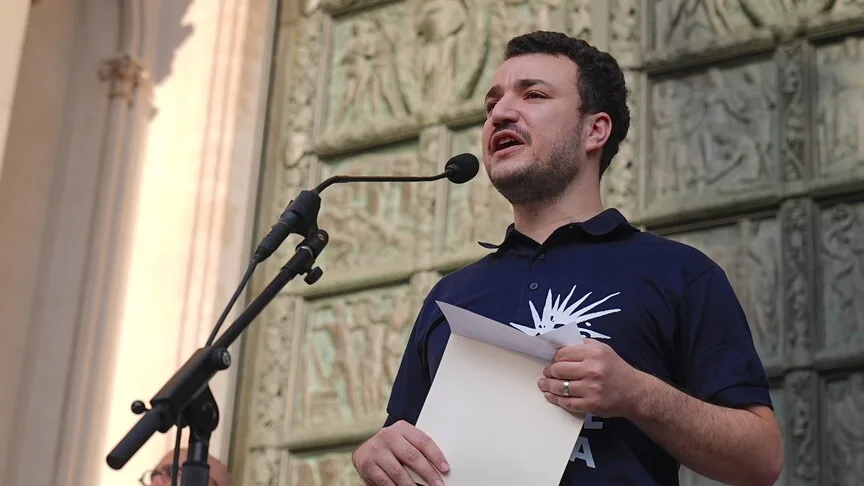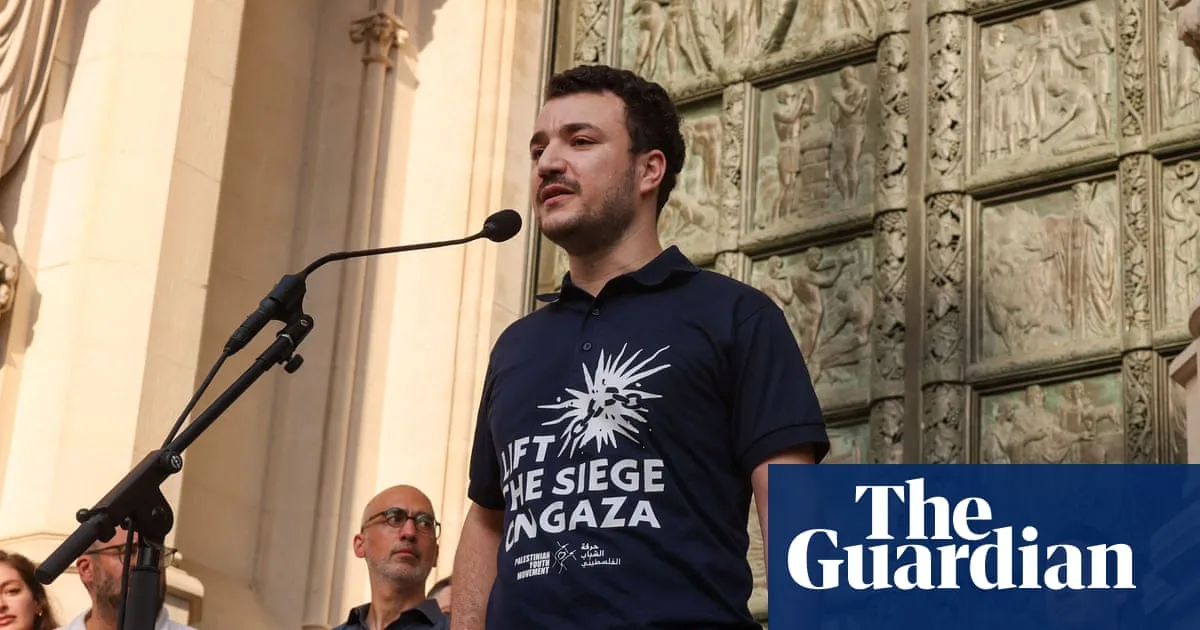
Mahmoud Khalil, a pro-Palestinian activist and former Columbia University student, was detained by US Immigration and Customs Enforcement (ICE) in March 2025 [1, 2, 3]. A federal district judge ordered his release and barred his deportation in June 2025 [4, 2].
In January 2026, the Third Circuit Court of Appeals reversed that release order, ruling the district court lacked jurisdiction over Khalil’s case [4]. On May 22, 2026, the same appeals court panel denied Khalil's petition for rehearing by a close 6-5 vote, effectively allowing the Trump administration to detain and potentially deport him again [4, 1, 2, 3]. The court's decision split along ideological lines, with a dissenting judge warning that the ruling “ignores canons,” “strains precedent,” and “imperils civil liberties” of Khalil and others [4].
The US Department of Homeland Security supported the appeals court ruling and urged Khalil to self-deport using the CBP Home app, saying, “We would encourage him to use the CBP Home app and self-deport now before he is arrested, deported, and never given a chance to return” [1]. Khalil’s legal team condemned the ruling. Baher Azmy, legal director of the Center for Constitutional Rights, said it “greenlights holding someone in prolonged, brutal detention conditions without access to meaningful judicial review” and expressed hope the Supreme Court “will recognize how dangerous the Third Circuit’s decision was” [4, 3].
Brett Max Kaufman, senior counsel at the ACLU, said, “Today’s decision is not the final word” and argued “federal courts must have the power to step in when the government exploits our country’s immigration system to punish people for their constitutionally protected speech” [2]. Khalil, an Algerian citizen born in a Palestinian refugee camp in Syria, holds US legal permanent resident status [1, 3].
Khalil was held in ICE detention for 104 days before the initial release order [3]. He is also separately challenging a removal order issued by the Board of Immigration Appeals in April 2026, alleging the immigration court case was fast-tracked and tainted by government misconduct [4, 1, 2, 3].
On May 22, 2026, Khalil’s lawyers announced they will seek a stay on the Third Circuit ruling and appeal the case to the US Supreme Court to prevent his deportation while the legal battles continue [4, 1, 2, 3].