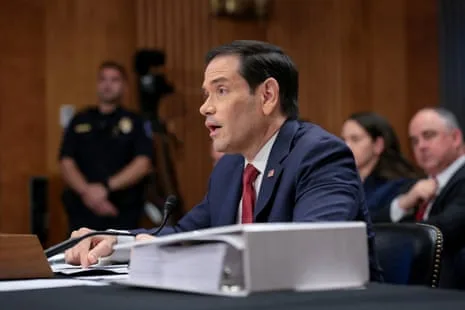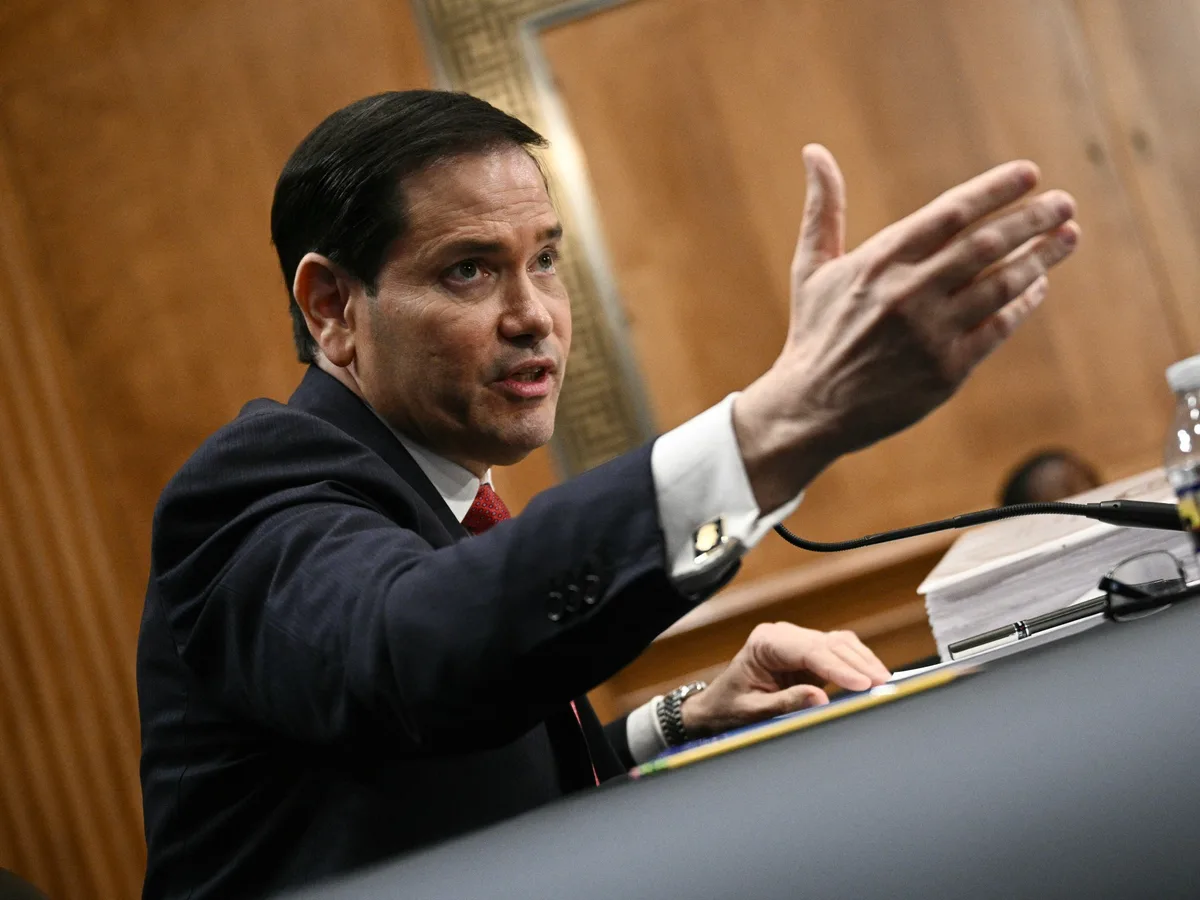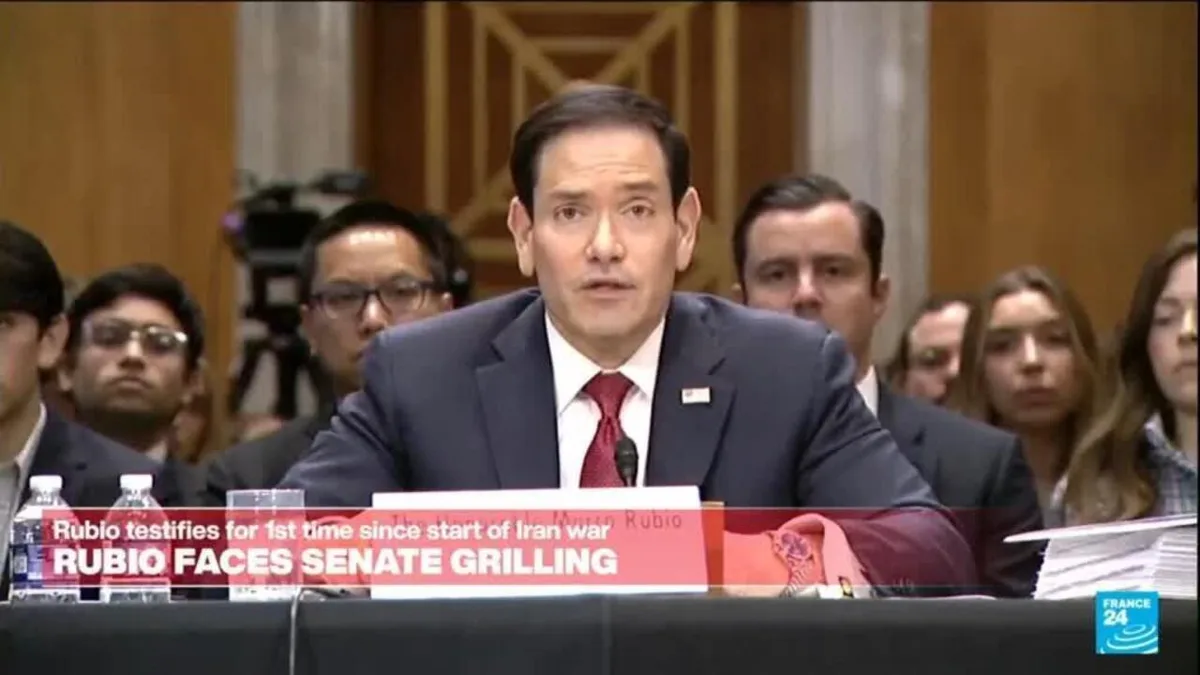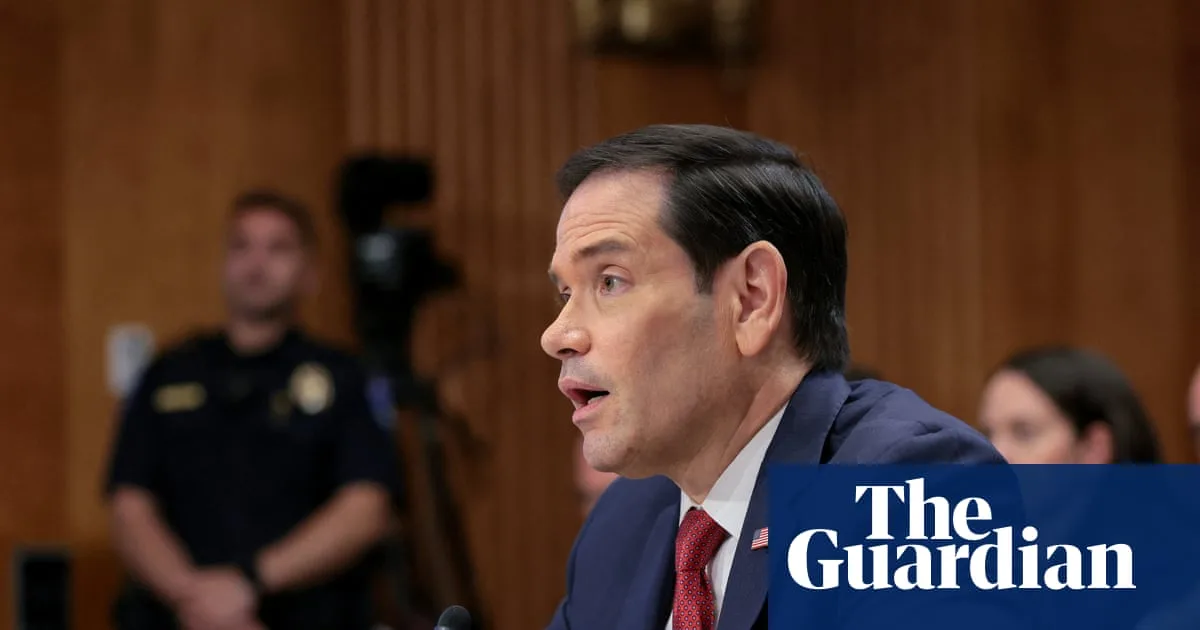
US Secretary of State Marco Rubio testified before the Senate Foreign Relations Committee on June 2, 2026, providing new details on the status of negotiations with Iran and the impact of ongoing conflict [1, 2, 3]. Rubio said Iran has agreed to negotiate parts of its nuclear program that it refused to discuss a month ago. "There is the prospect before us, which could happen today, it could happen tomorrow, it could happen next week – that for the first time, certainly in my memory, they have agreed to negotiate aspects of their nuclear program that just a month ago they said they would not," Rubio told senators [1].
Rubio also reported that Iran's new Supreme Leader Mojtaba Khamenei, who succeeded Ali Khamenei after his death in a US-Israeli strike on February 28, is alive and reportedly more involved in regime affairs. "I think there are indications out there that he [Mojtaba Khamenei] is increasingly engaging at some level," Rubio said [1, 2].
Despite these negotiation advances, Iran announced on June 1 that it would halt peace talks with the US and move to fully close the strategic Strait of Hormuz, a vital oil transit route through which 20% of the world's oil and LNG passed before the war [1, 2].
Rubio claimed that Iran's missile program has been substantially degraded and its naval capabilities destroyed. However, a New York Times report cited by Rubio indicated Iran retains roughly 70% of its prewar missile stockpile but has suffered heavy damage—estimated at 85%—to its missile, drone, and naval defense industrial base [1]. These differing assessments highlight ongoing uncertainty about Iran's remaining military strength.
US President Donald Trump said negotiations with Iran were progressing quickly and could produce a deal soon. Yet he expressed indifference about the talks, calling them "boring" and saying, "I don’t care if they’re over, honestly. If they’re over, they’re over. If they’re not, you know, I think they took too much time" [2, 3].
Meanwhile, Congress is weighing legislation to restrict Trump's war powers related to Iran. Some Republicans have joined Democrats in pushing to limit executive authority on military actions against Iran [3].
The next major development will be whether Iran resumes talks or further closes the Strait of Hormuz, disrupting global energy supplies. Senate hearings are expected to continue as lawmakers probe US strategy on Iran and the administration's negotiating position.