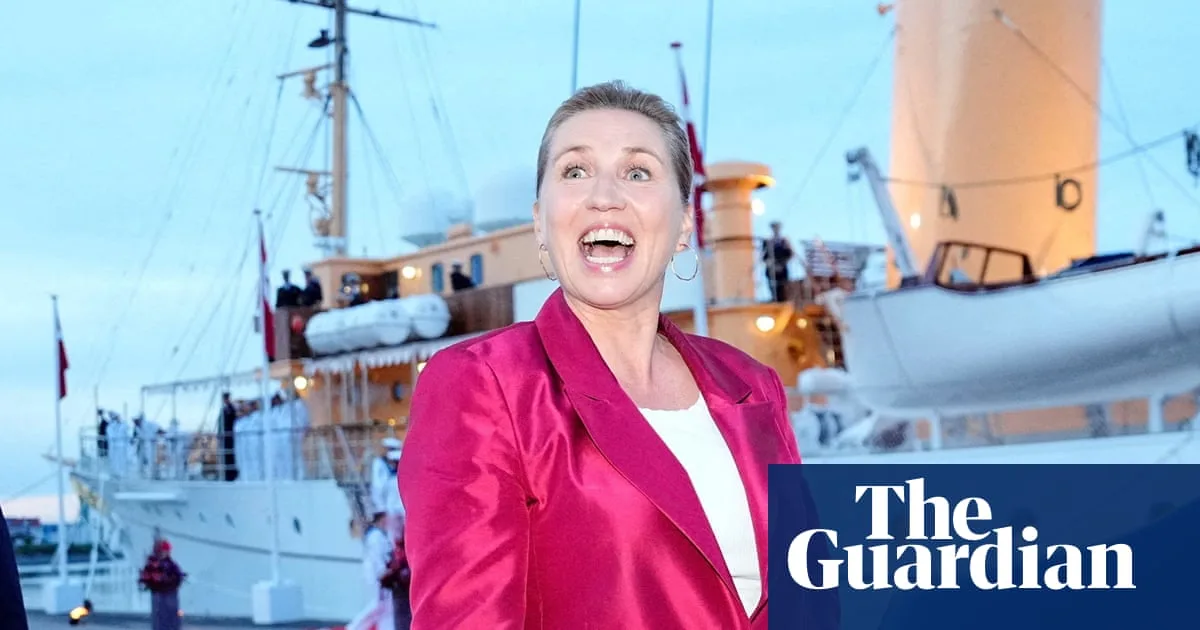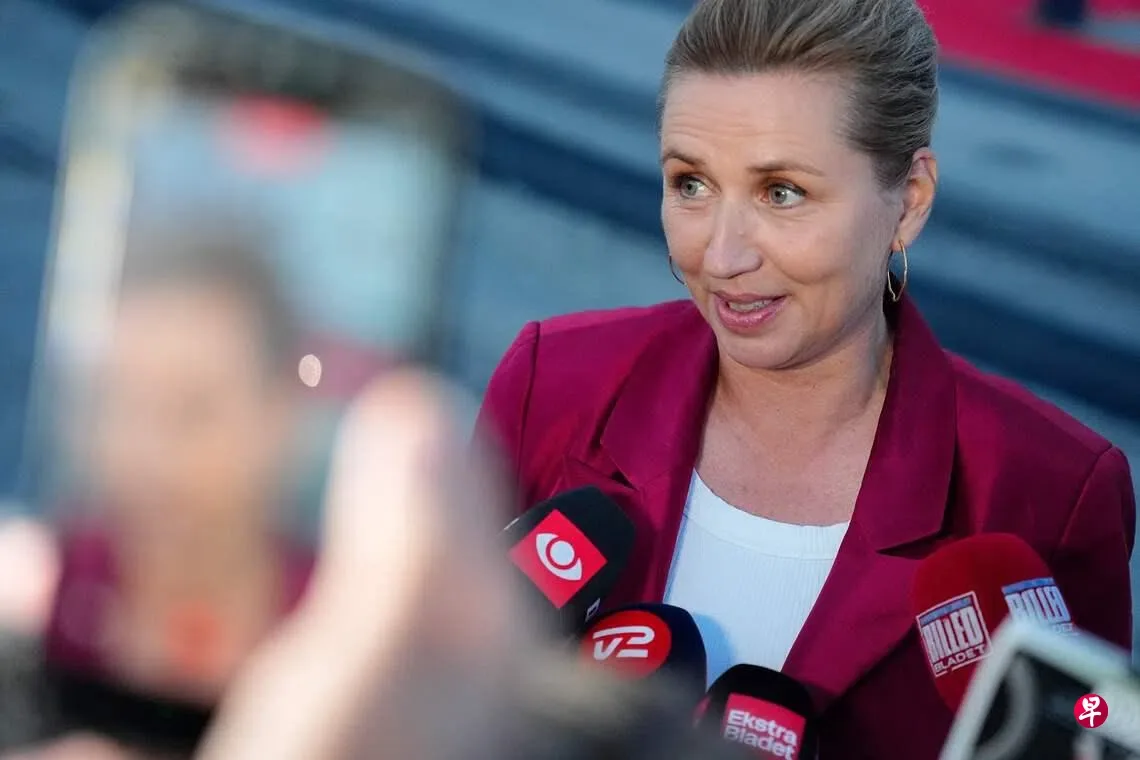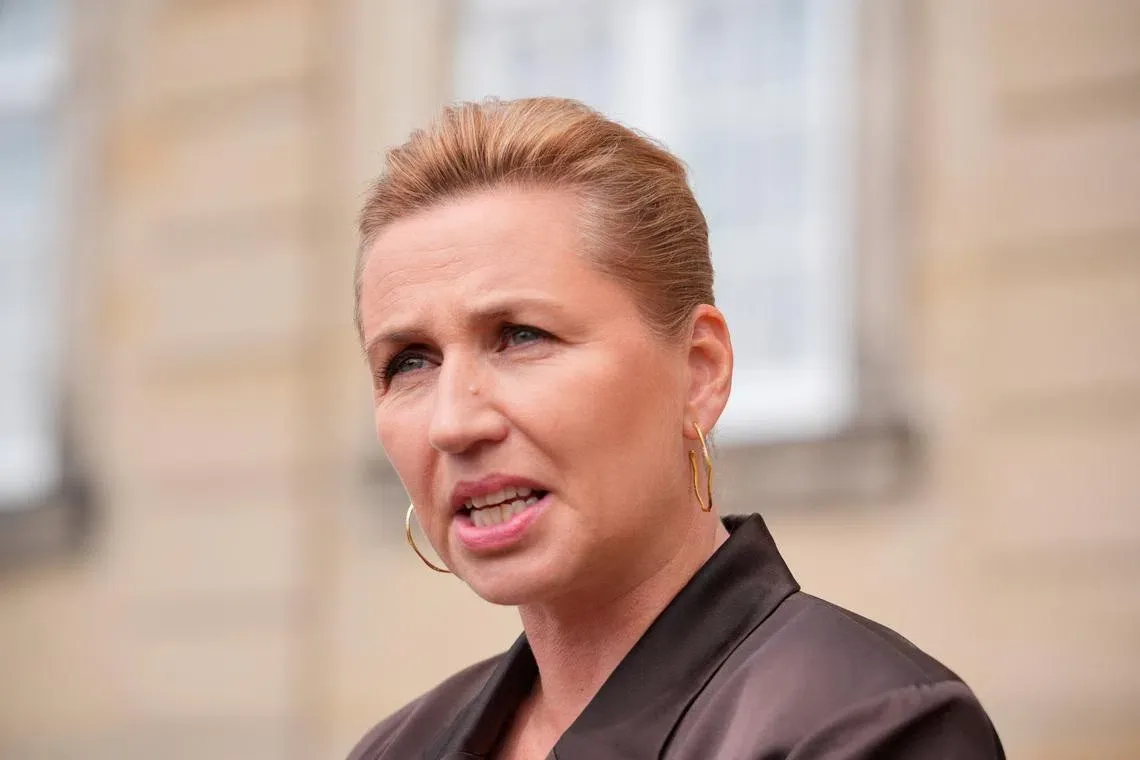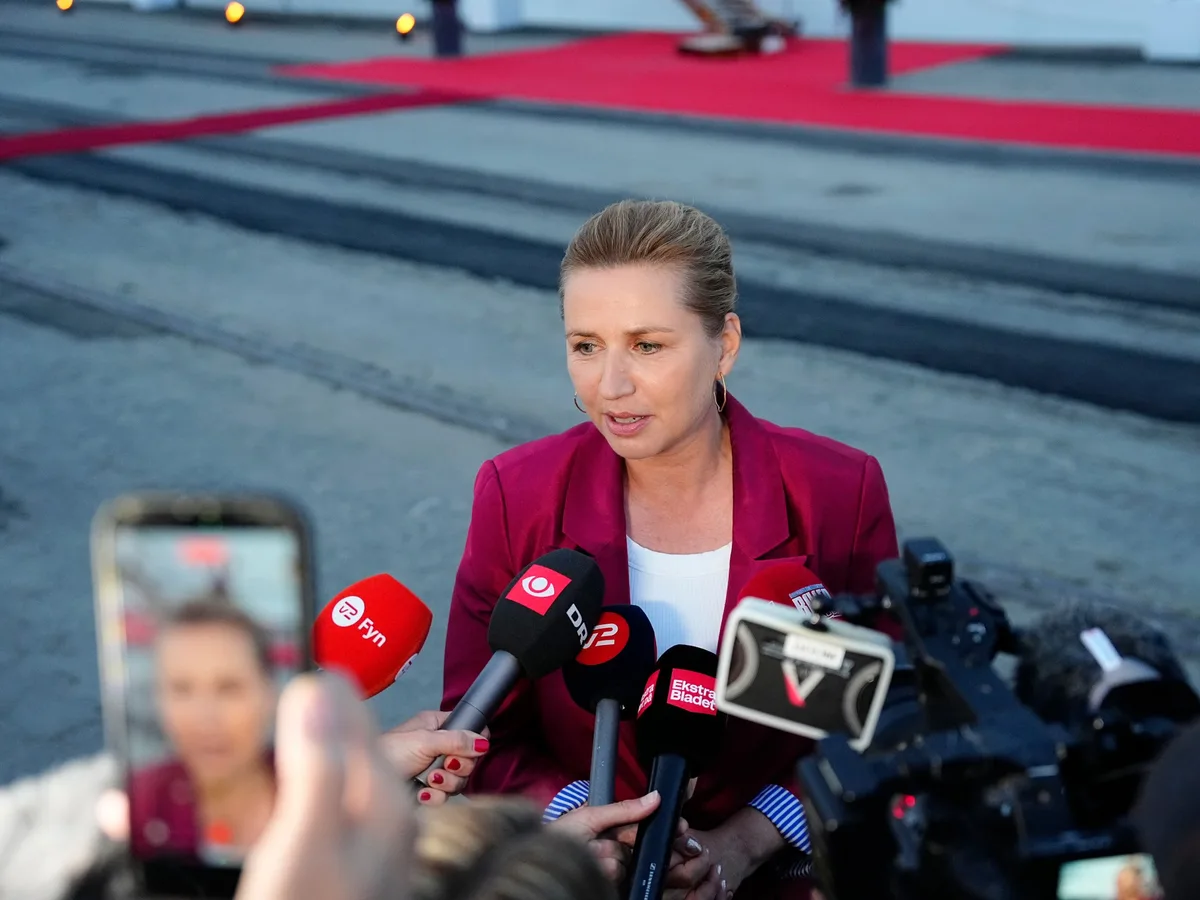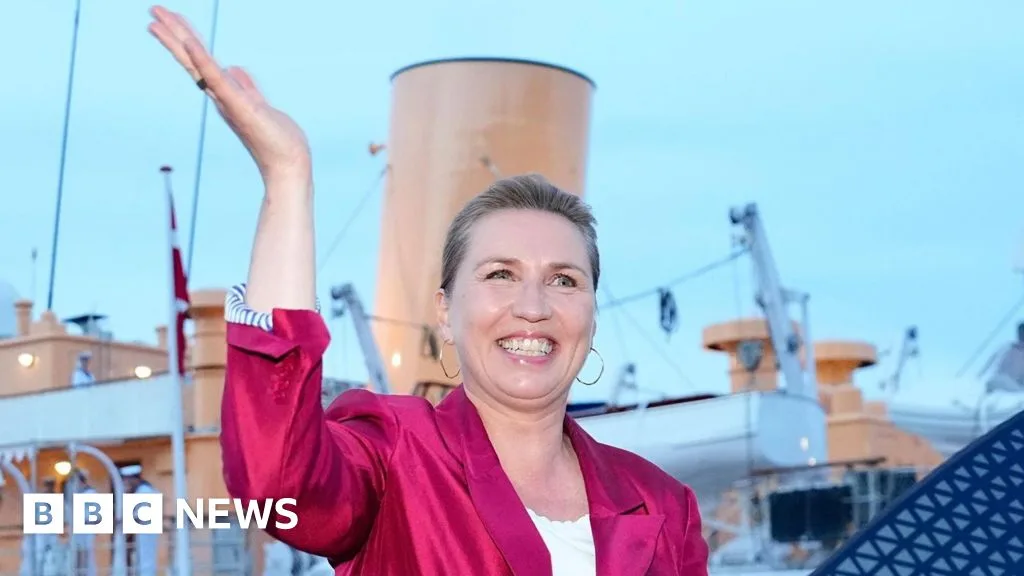
Denmark's Social Democratic leader Mette Frederiksen announced on June 1 she had formed a new centre-left minority government following 69 days of political deadlock after the March 24 general election [1, 2, 3, 4]. Frederiksen said, "I have been to see His Majesty the King and announced that a government can be formed after long negotiations" [2].
The March election fractured parliament with 12 parties winning seats and no party or bloc securing a majority in the 179-seat Folketing [1, 2, 5]. The incumbent Social Democrats suffered their weakest performance since 1903, winning only 38 seats and 21.9% of the vote, down from 50 seats previously [1, 6]. The centre-right Liberal party Venstre also hit a historic low with 12 seats and roughly 10.1% of votes, while the far-right Danish People's Party increased its share to 9% [1, 7, 6].
After over two months of intensive negotiations, Frederiksen's new coalition includes four parties: the Social Democrats, Socialist People's Party (Green Left), Radikale Venstre (Social Liberals), and the Moderates [1, 3, 4, 8]. Though the coalition holds a minority in parliament, it can rely on the Red-Green Alliance and other parties to support key votes [3, 8].
Frederiksen, who will serve her third consecutive term as prime minister, said the government platform will focus on policies "for the people who are in Denmark and for the generations to come and also for the animals," addressing animal welfare alongside environmental and pesticide concerns in pork farming [1, 3, 9]. She also pledged to maintain Denmark’s sovereignty amid the recent US-Greenland dispute, asserting "The government will stand firm on the kingdom's sovereignty, territorial integrity and right to self-determination" [8].
Denmark's military spending has surged to more than 3% of GDP due to increased security concerns amid the Ukraine war, adding a defense buildup priority to the government’s agenda [8, 5]. Other key challenges include managing inflation and expanding the welfare state [1, 3].
The new cabinet was formally announced on June 3, with the government programme presented to parliament and media on June 2 [1, 3, 4, 9]. The administration will now begin addressing the pressing domestic and international issues laid out during the lengthy formation process.