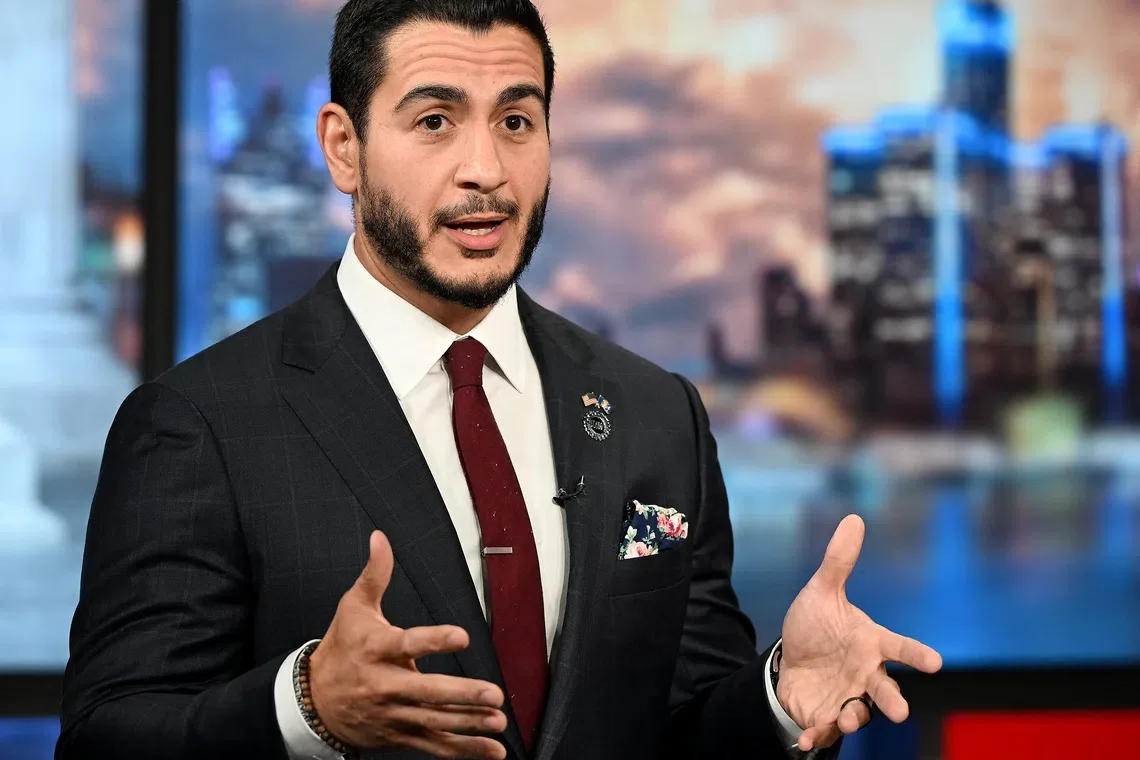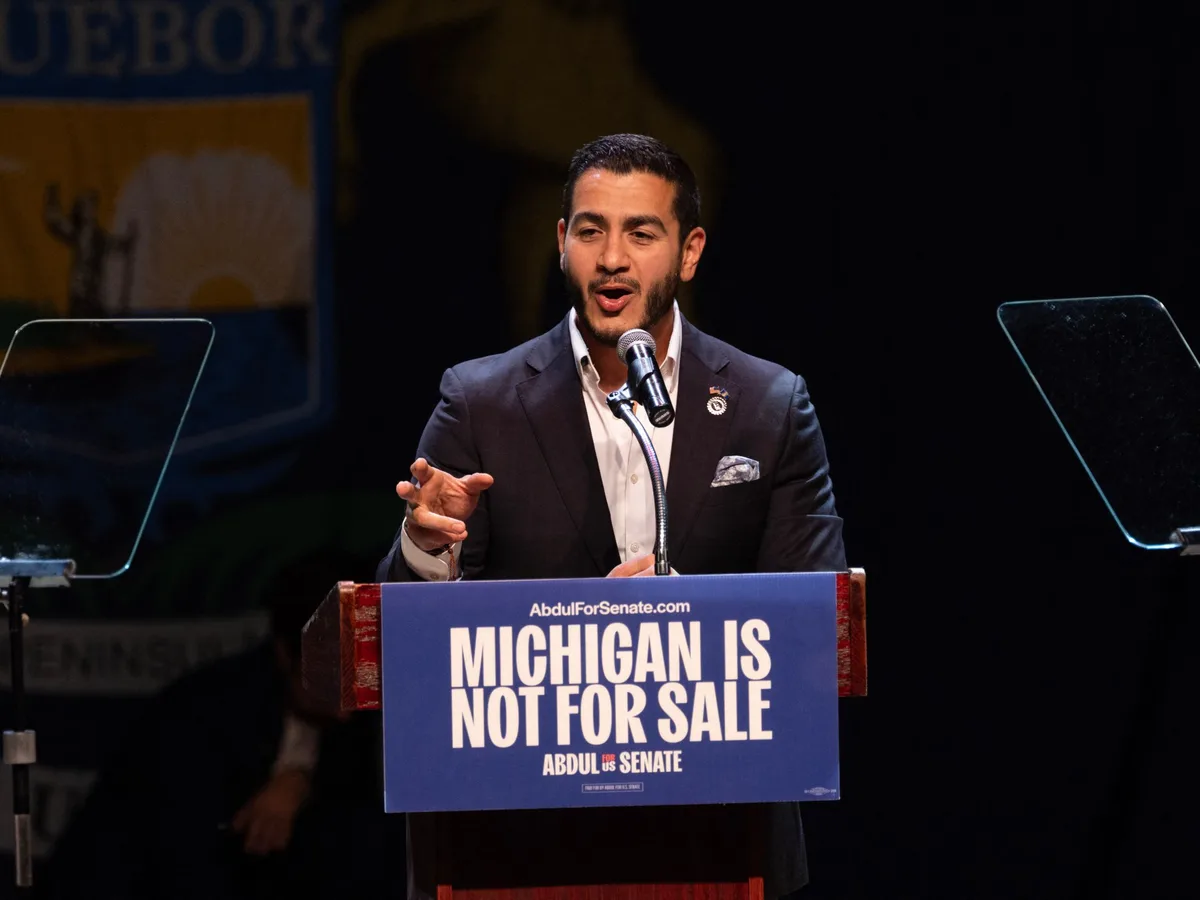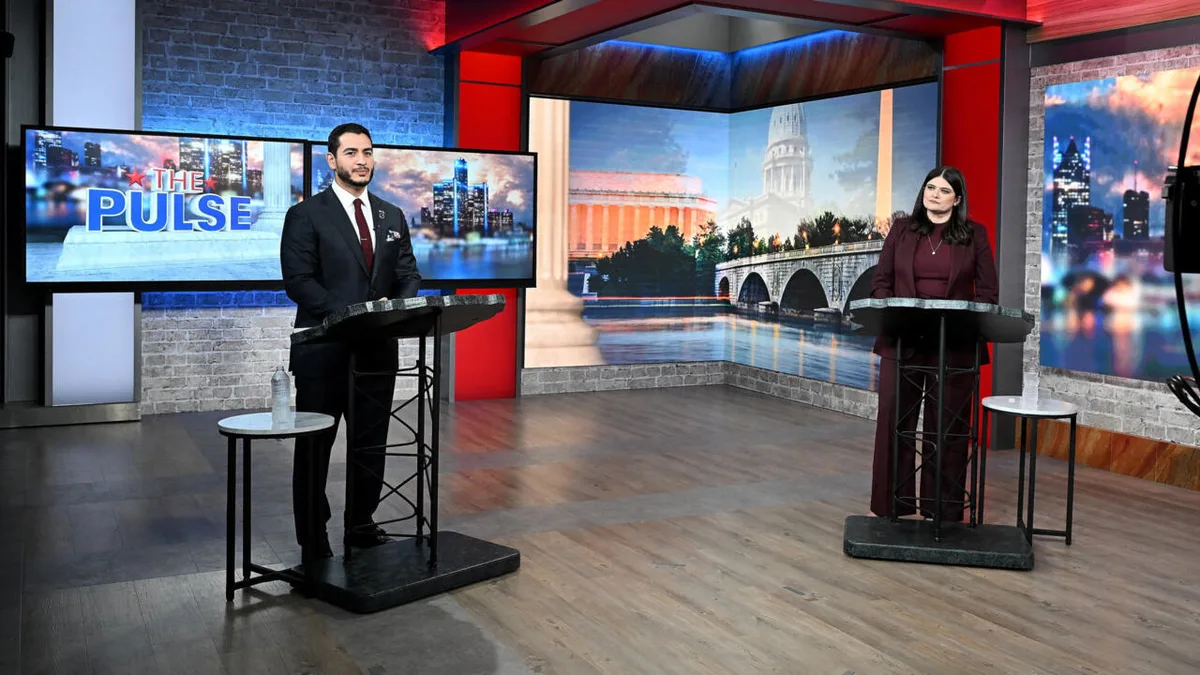
Michigan held a high-profile Democratic Senate primary on August 4, 2026, as progressive Abdul El-Sayed challenged four-term Congresswoman Haley Stevens in a closely watched race [1, 2, 3, 4].
El-Sayed has opposed unconditional U.S. military aid to Israel, describing it as genocide, and won support from progressive figures such as Bernie Sanders and Alexandria Ocasio-Cortez [1, 2, 4]. Stevens, meanwhile, was backed by pro-Israel groups including AIPAC, which spent a record $30 million in her favor during the primary, along with over $50 million in outside spending [2, 3, 4]. Most pro-Israel spending focused on promoting Stevens' electability and manufacturing credentials rather than explicit Israel messaging [4].
By early August 5, with 91% of votes tallied, El-Sayed held a narrow lead with approximately 48.9% of the vote to Stevens’ 47.1% [3]. El-Sayed framed the contest as a battle between grassroots progressive voters and wealthy special interests backing Stevens [4].
Michigan’s status as a key swing state with an even partisan split has made the Democratic primary more consequential than typical progressive strongholds [1, 3, 4]. The race has been widely viewed as a test of the party’s ideological future and its stance on U.S.-Israel relations. Frank Lowenstein, former U.S. special envoy to Israel, said, "This will help inform [Democrats] about how tough to be on Israel. It's teed up to be a pretty clear choice" [1]. Democratic strategist Karen Finney added, "Either way, Democratic leaders shouldn't ignore the anger at the status quo fueling El-Sayed's campaign or assume a Stevens win lets the party off the hook" [1].
The winner will face Republican Mike Rogers in the November midterm election for the Senate seat vacated by retiring Senator Gary Peters [2, 3]. The final outcome of the primary vote count is expected in the coming days.