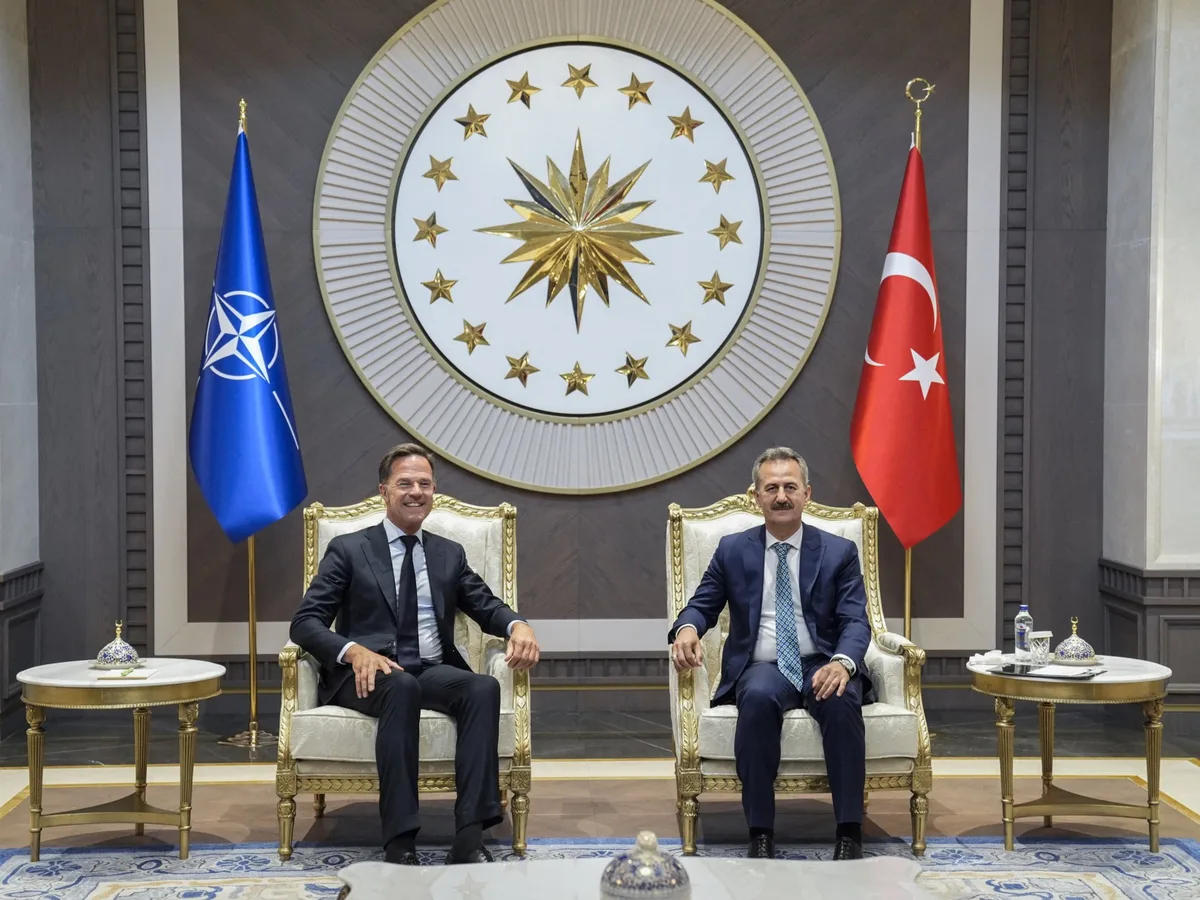
The 36th NATO Heads of State and Government Summit took place on July 7-8, 2026, in Ankara, Turkey, gathering leaders from the 32-member alliance plus key partners [1, 2, 3, 4, 5]. The summit centered on European NATO members accelerating defense spending to meet a 5% of GDP target by 2035, with 3.5% allocated for core defense and 1.5% for broader security, a pledge made at the 2025 Hague summit [1, 2, 6, 3, 7, 8, 9, 10].
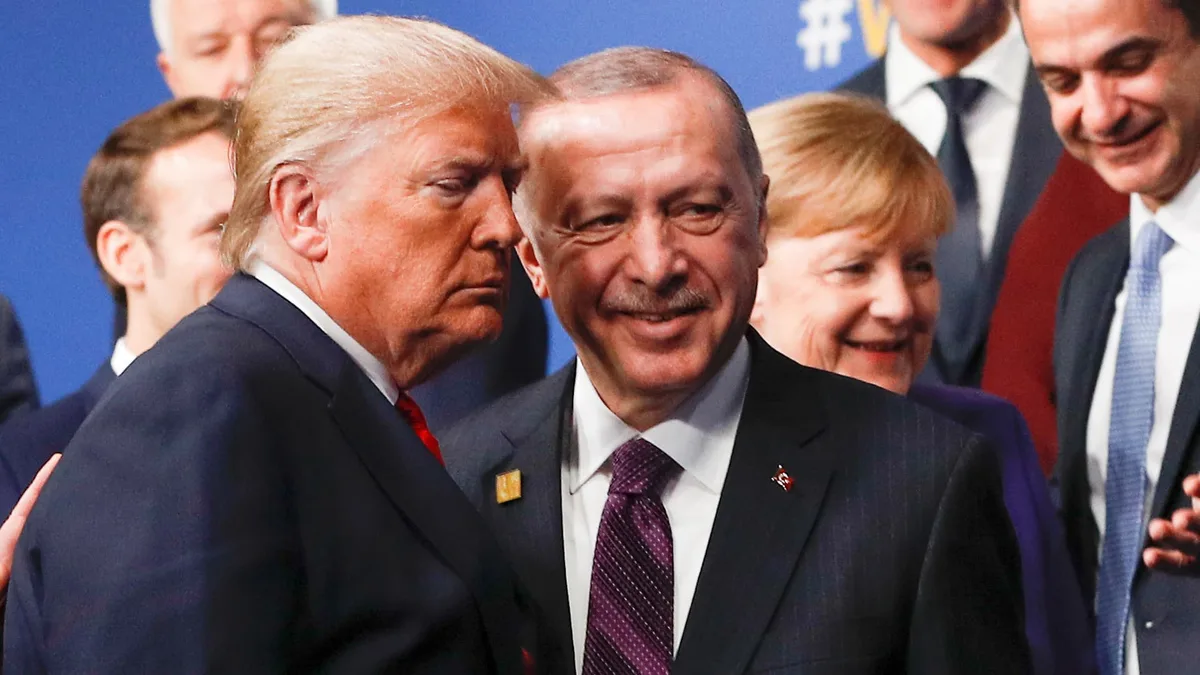
US President Donald Trump attended the summit with senior officials including Secretary of State Marco Rubio, Defense Secretary Pete Hegseth, and National Security Adviser Michael Waltz [2, 11]. Ukraine’s President Volodymyr Zelenskyy also joined as a non-member, meeting President Trump on July 7 to request additional Patriot air defense systems amid heightened attacks by Russia [2].
European leaders stressed the need for the continent to assume greater responsibility for its own defense. German Chancellor Friedrich Merz said, “We are building a more European NATO so that NATO can remain transatlantic,” describing the summit as marking a “new, more European” era of the alliance [12, 8, 9]. EU Council President Antonio Costa added, “Europe is taking greater responsibility in our own defense, and now we need to continue” [7]. Germany, the alliance’s second-largest economy, plans to meet the 3.5% GDP defense spending target by 2029, ahead of the 2035 NATO-wide goal [3].
Defense spending among European and Canadian NATO members has increased by $1.2 trillion since 2017, with $60 billion in defense orders placed with American companies since the last summit [10]. The EU’s broader defense mobilization remains on track for €800 billion ($914 billion) through 2030 [7].
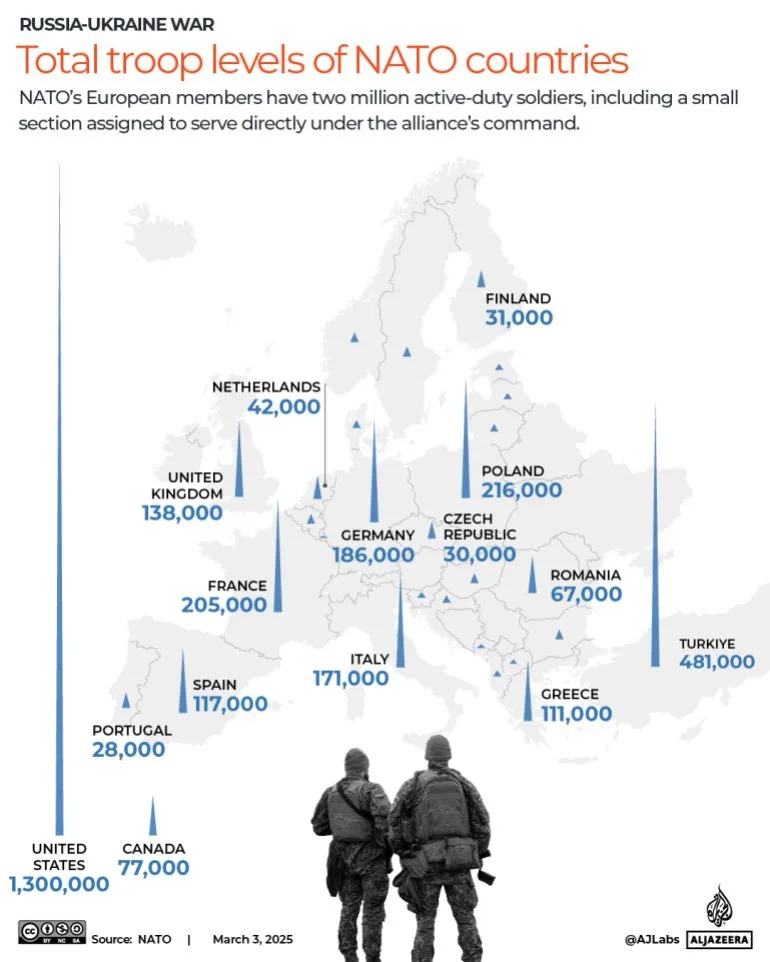
The summit also addressed the evolving US military footprint in Europe. The Pentagon is conducting a “NATO 3.0 review” aimed at a “fast and irreversible” shift toward greater European self-reliance, including plans to reduce US troop presence [1, 3]. US Defense Secretary Hegseth said this shift will free US forces to focus globally while Europeans lead on continental defense [3, 10]. Ulrike Franke of the European Council on Foreign Relations framed this as moving from “burden sharing to burden shifting” [1]. German Deputy Defense Minister Nils Schmid told President Trump, “Burden shifting is not just a slogan, it’s in action” [3].
European leaders called for clarity from Washington on future troop levels and security guarantees in the face of possible US military reductions [1, 3]. They emphasized strengthening defense industrial capacity and partnerships to out-innovate potential adversaries [10].
The summit reviewed progress made since November 2025’s Hague summit commitment and discussed next steps on capability development, burden shifting, and US-EU security ties [1, 3, 12, 8, 9]. President Zelenskyy’s request for additional air defenses underscored continued Russian threats [2]. The alliance is now focused on Europe meeting spending goals in the years ahead while managing the changing US role.