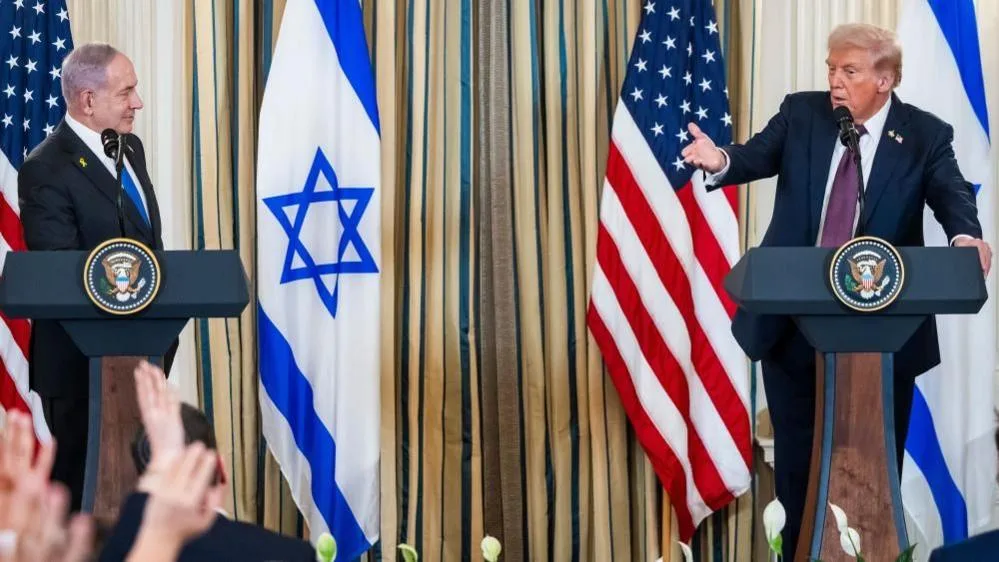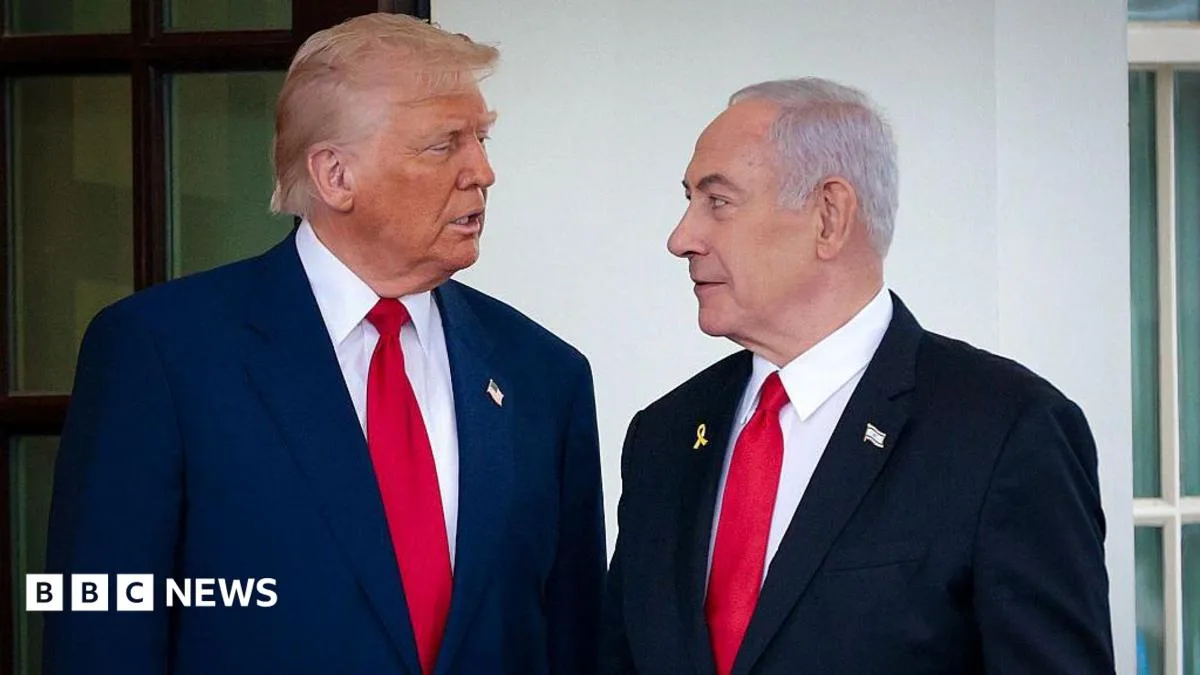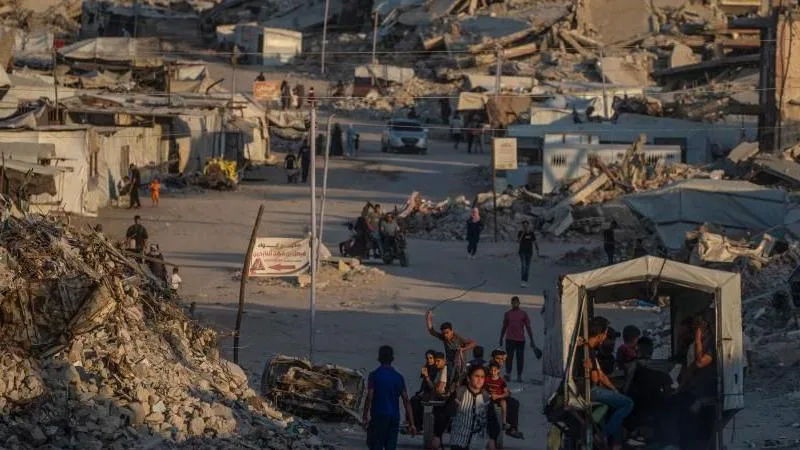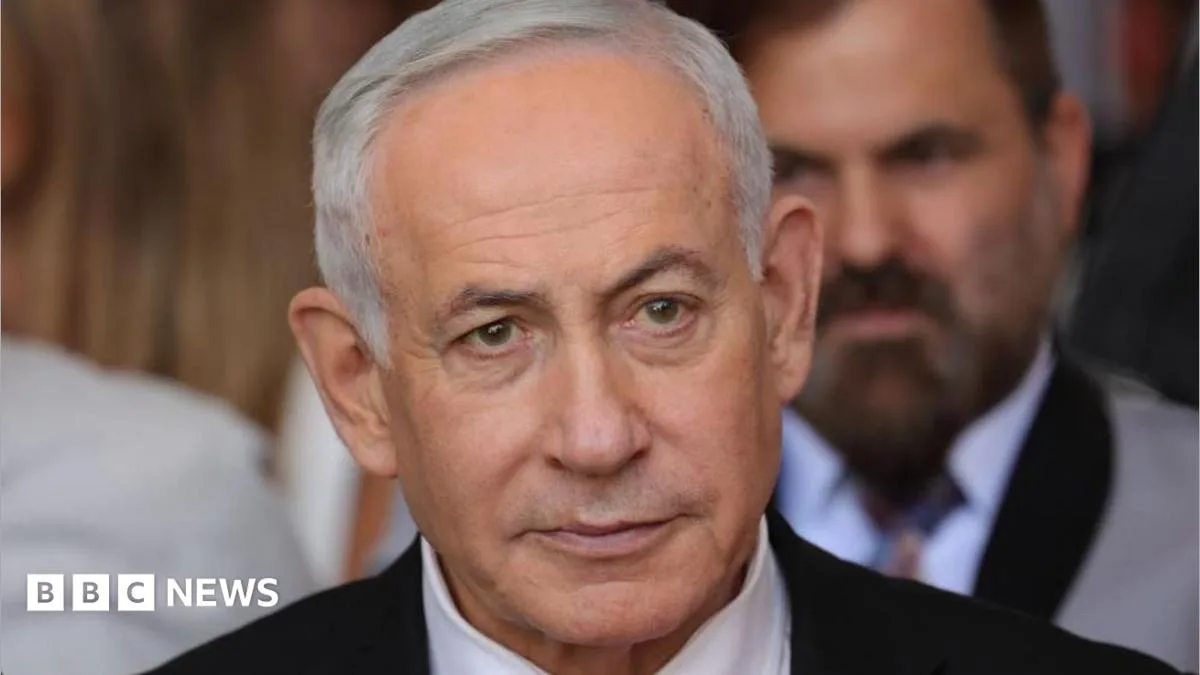
Israeli Prime Minister Benjamin Netanyahu officially rejected the 15-point Gaza peace plan backed by former President Donald Trump's administration during a cabinet meeting on August 9, 2026 [1, 2, 3, 4, 5, 6, 7, 8, 9]. Netanyahu said, "Israel rejects the 15-point document. The IDF will not carry out any withdrawal until Hamas is genuinely disarmed and will continue to thwart threats against our forces and our citizens" [1]. He emphasized the need for "real disarmament, not fictitious disarmament" [5].
The US-backed peace plan, announced publicly in July 2026 by Trump's Board of Peace, aimed to implement phased Israeli troop withdrawals from Gaza. Withdrawal was to be contingent on verified disarmament of Hamas’ heavy and light weapons and the formation of a new Palestinian governing authority [10, 6, 11, 12, 8, 9]. Trump declared on July 30 that Hamas and other armed groups had agreed to a framework for complete disarmament as part of the deal [1, 10, 2, 3, 4, 8, 9]. Nickolay Mladenov, head of the Board of Peace, stated that the plan "remains the only way forward" and repeated, "If there is genuine demilitarisation, Israel will withdraw from the Strip" [11, 12].
Israel has maintained limited military strikes in Gaza despite a ceasefire agreed with Hamas in October 2025. The ceasefire reduced but did not end Israeli military activity inside Gaza [1, 10, 2, 3, 4, 5]. Netanyahu has also said he is in talks with US officials about aspects of the plan, calling some proposals acceptable and others not [1, 5, 6, 7, 8]. But on troop withdrawal, Netanyahu insisted that no pullout will occur until Hamas is fully and verifiably disarmed [1, 2, 3, 4, 5, 6, 7, 8, 9].
Reports suggest Netanyahu’s firm rejection reflects political pressure from far-right allies ahead of Israel’s October 2026 elections [1, 6]. Israeli security agencies were reportedly surprised by Netanyahu’s sharp reversal on earlier ideas for limited troop withdrawals near Rafah in southern Gaza [7]. Some US officials expected phased Israeli withdrawals contingent on verification, but Netanyahu rejects partial withdrawal before full disarmament [1, 5, 6, 11, 12, 8].
The plan also calls for deploying an International Stabilization Force to Gaza, with construction of a base near Rafah expected to start by the end of August 2026 if the plan proceeds [10]. More than 60% of Gaza is currently under Israeli military control and subject to potential withdrawal under the plan [10]. Hamas has ruled Gaza for nearly two decades and triggered the 2023 war with a major attack on October 7, 2023 [2, 3, 4, 8].
The next key date is the planned start of the International Stabilization Force base construction near Rafah before the end of August 2026 [10].