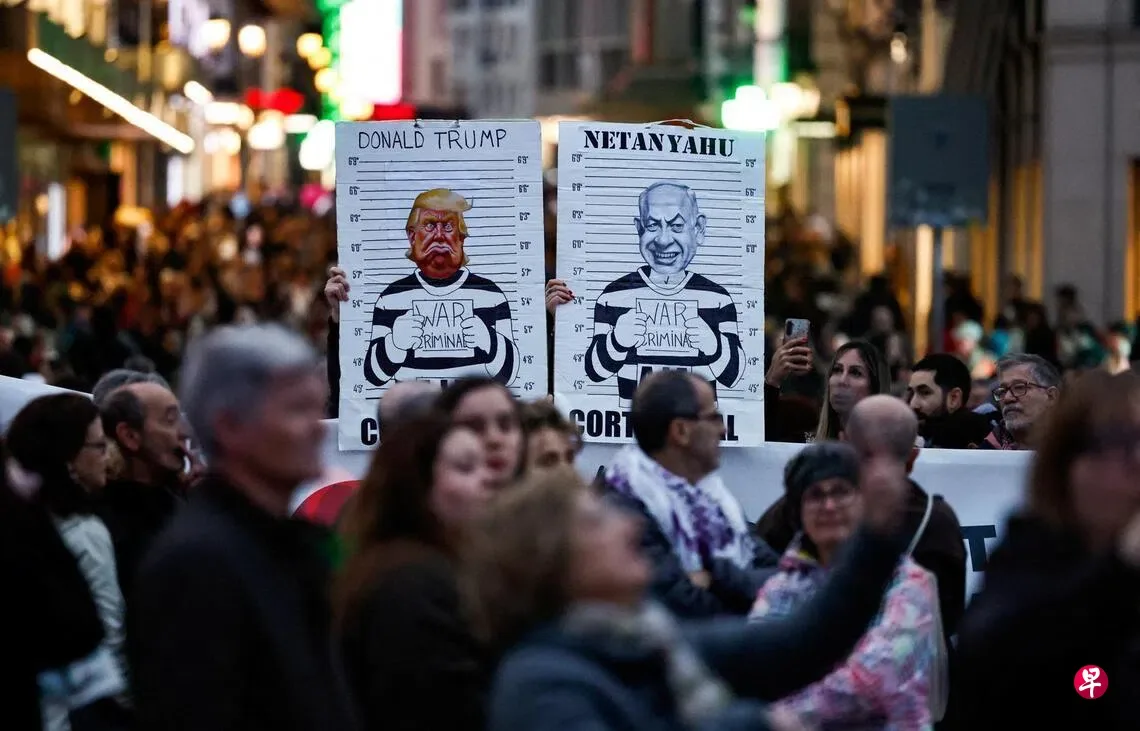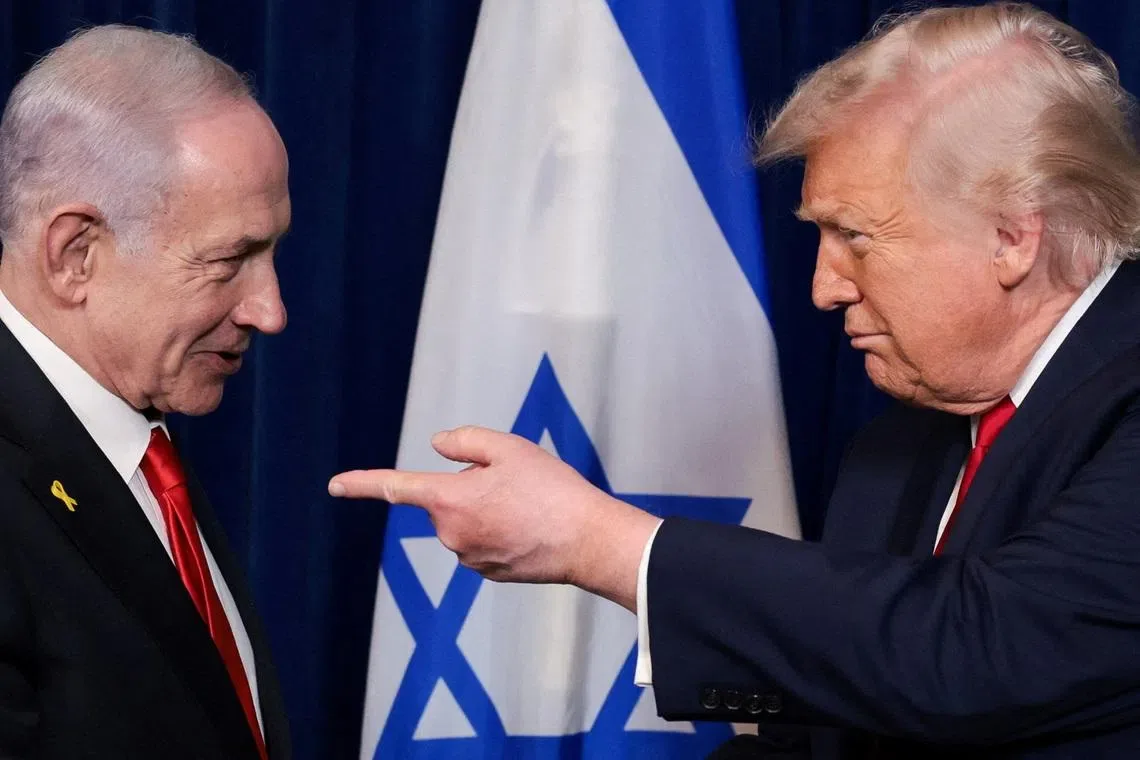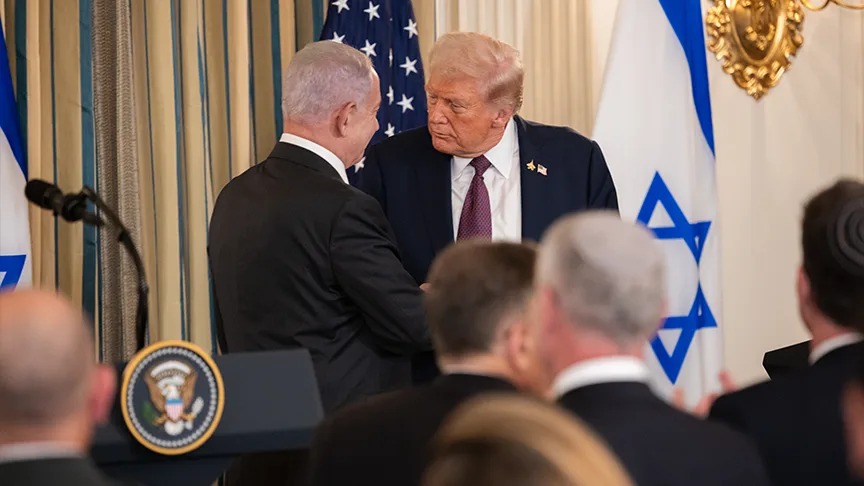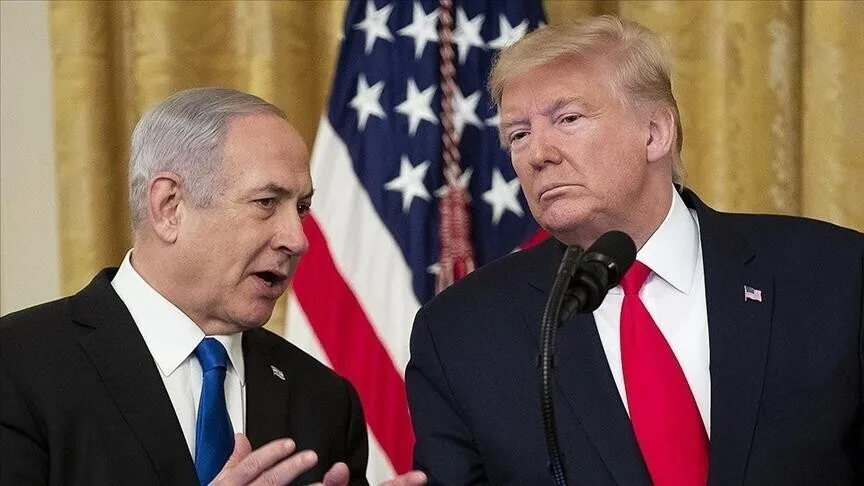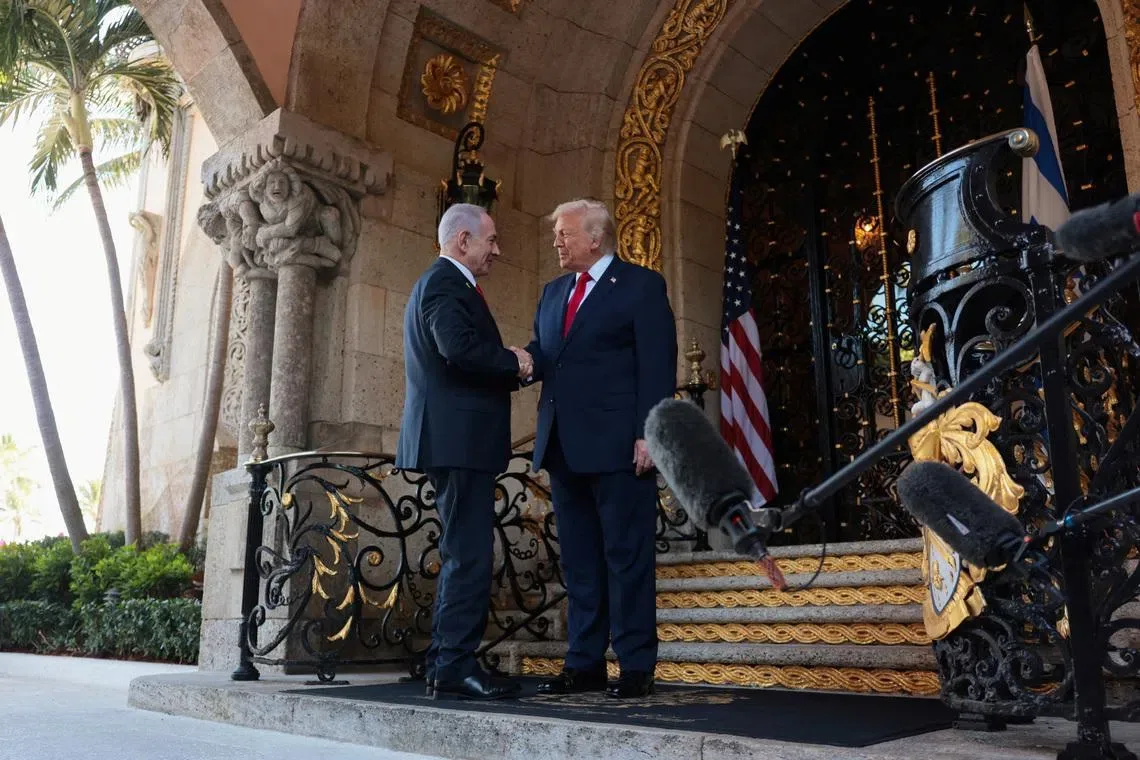
Israeli Prime Minister Benjamin Netanyahu told US President Donald Trump that Israel will maintain its freedom of action against threats in Lebanon and other arenas, underscoring Israeli resolve amid peace talks between Washington and Tehran [1, 2, 3]. An unidentified Israeli political source said Netanyahu emphasized this point in a call, with Trump reiterating his support for Israel’s position [1].
Trump confirmed that Washington and Iran have largely negotiated a memorandum of understanding aimed at reopening the Strait of Hormuz and ending hostilities. He said, "An agreement with Iran had gone very well," signaling progress toward a peace deal [1, 2, 4, 3, 5]. The emerging US-Iran agreement reportedly requires Iran to avoid preemptive attacks on the US and its allies, with reciprocal assurances against attacks on Iran and its partners [1].
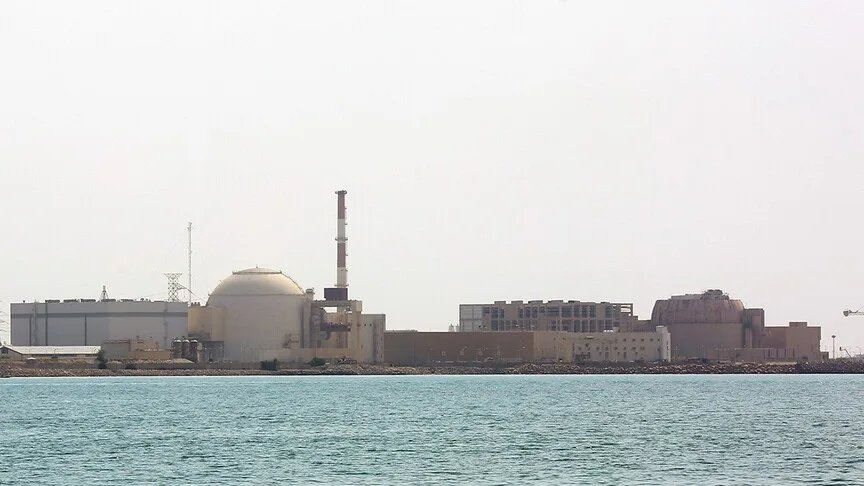
Despite the talks, Israel has expressed deep concerns about the deal’s limited scope. Israeli officials criticize the agreement for leaving critical issues unresolved, including Iran’s enriched uranium stockpile, future nuclear enrichment, and ballistic missile program. One Israeli official called the emerging deal "bad" and said it essentially arms Iran with control over the Strait of Hormuz, equating it to a strategic weapon no less threatening than nuclear arms [4, 3, 5]. An Israeli security source accused Iran of stalling and warned Tehran may refuse concessions after 60 days [3].
Privately, Netanyahu admitted Israel’s limited ability to influence President Trump’s Iran policy, stating "Israel has no manoeuvre to influence the president right now" [6, 5]. Israeli officials emphasize ongoing military operations against perceived threats, including in Lebanon, and reject linking the Lebanon ceasefire to the US-Iran deal [6, 3, 5].
The Lebanon ceasefire mediated by Pakistan began on April 8 and has since been extended indefinitely by Trump [3]. However, Israel’s Security Cabinet continues to hold meetings amid growing concerns over the US-Iran talks and potential outcomes [4, 3, 5]. Iranian sources suggested some "feasible formulas" could be found later in talks for resolving the uranium enrichment dispute under IAEA supervision [6].
The next concrete development awaits further negotiations between Washington and Tehran, with ongoing Security Cabinet discussions in Israel reflecting mounting anxiety as details of the agreement continue to unfold [6, 5].