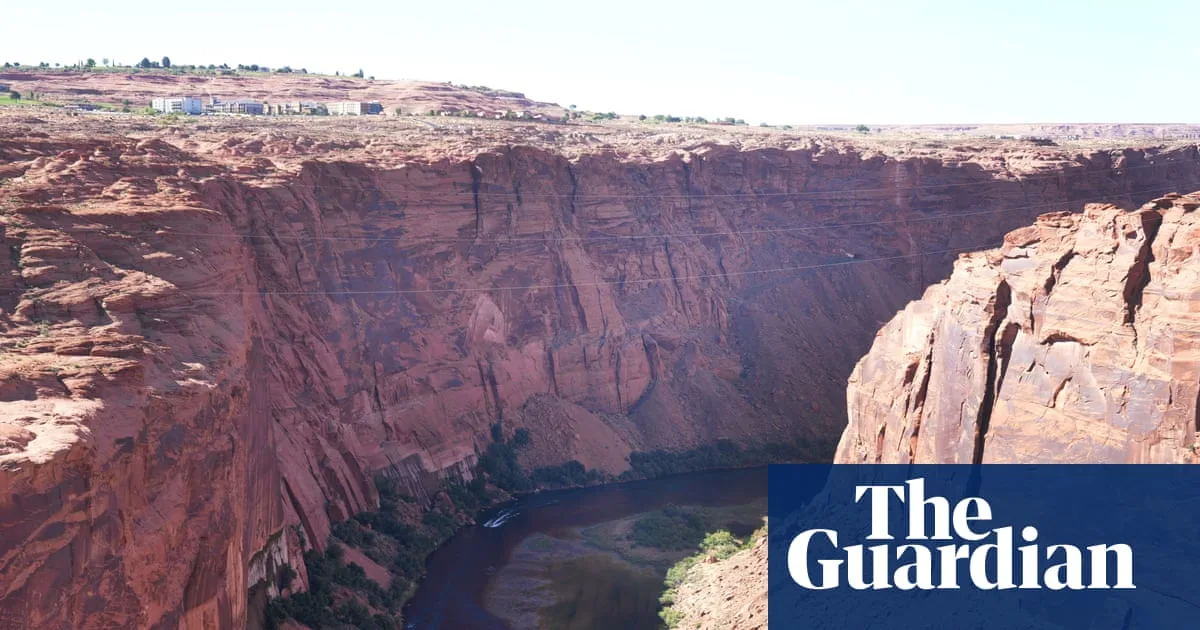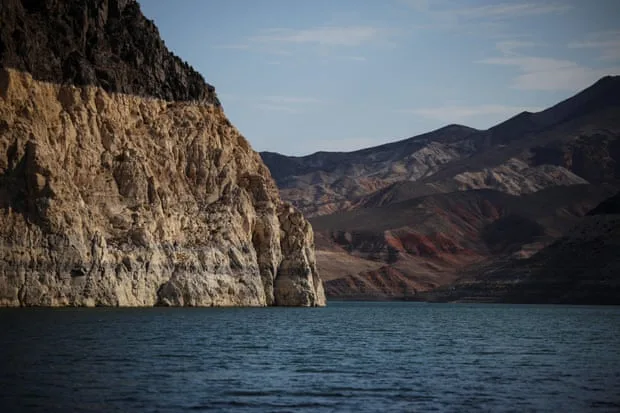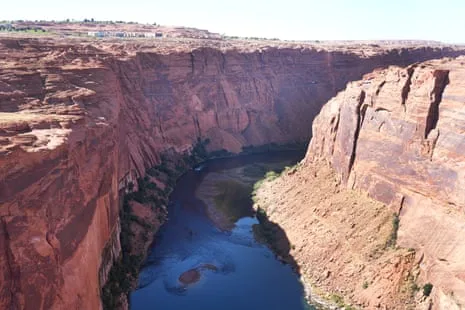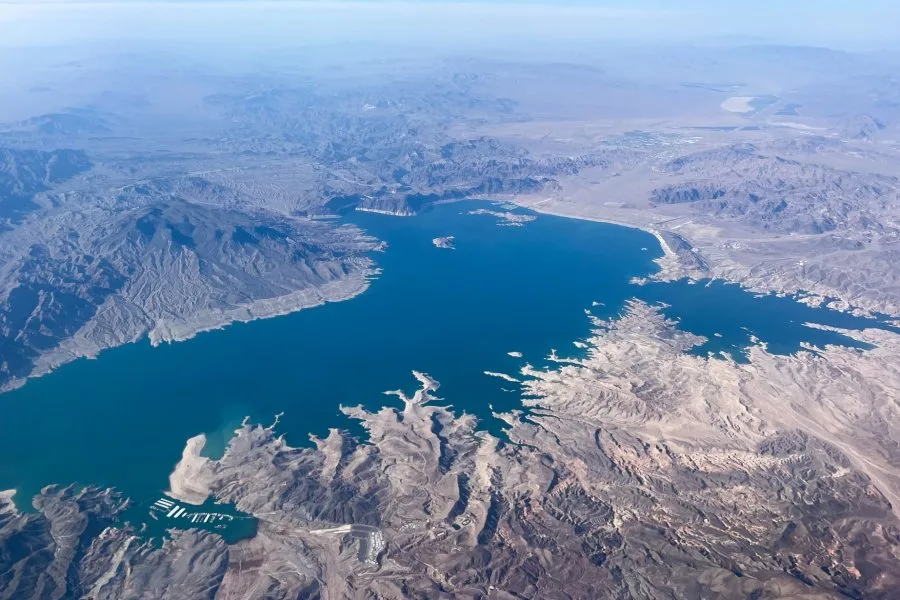
Nevada filed a federal lawsuit on August 24, 2026, challenging the Trump administration’s plan to reduce water supplied from the Colorado River to lower basin states by roughly 20% over the next two years, with the possibility of harsher cuts later [1, 2, 3, 4]. The suit targets the U.S. Department of Interior and the Bureau of Reclamation and was brought by the state, the Colorado River Commission of Nevada, and the Southern Nevada Water Authority in U.S. district court in Nevada [1, 4].
The Colorado River provides water to nearly 40 million people across seven U.S. states and Mexico and sustains 5.5 million acres of farmland [1, 2, 3, 4]. Southern Nevada and Las Vegas depend on the river for about 90% of their water, making the proposed reductions especially severe for the state—up to a 70% cut in Nevada’s allocation or two-thirds of its supply [1, 2, 3, 4].
The new federal plan imposes mandatory water use cuts on the lower basin states of Arizona, California, and Nevada but exempts the upper basin states of Colorado, Utah, New Mexico, and Wyoming from any mandated reductions [1, 2, 3, 4]. The seven basin states have failed to reach an agreement over sharing the required reductions, with upper basin states resisting mandatory cuts [1, 2, 3, 4].
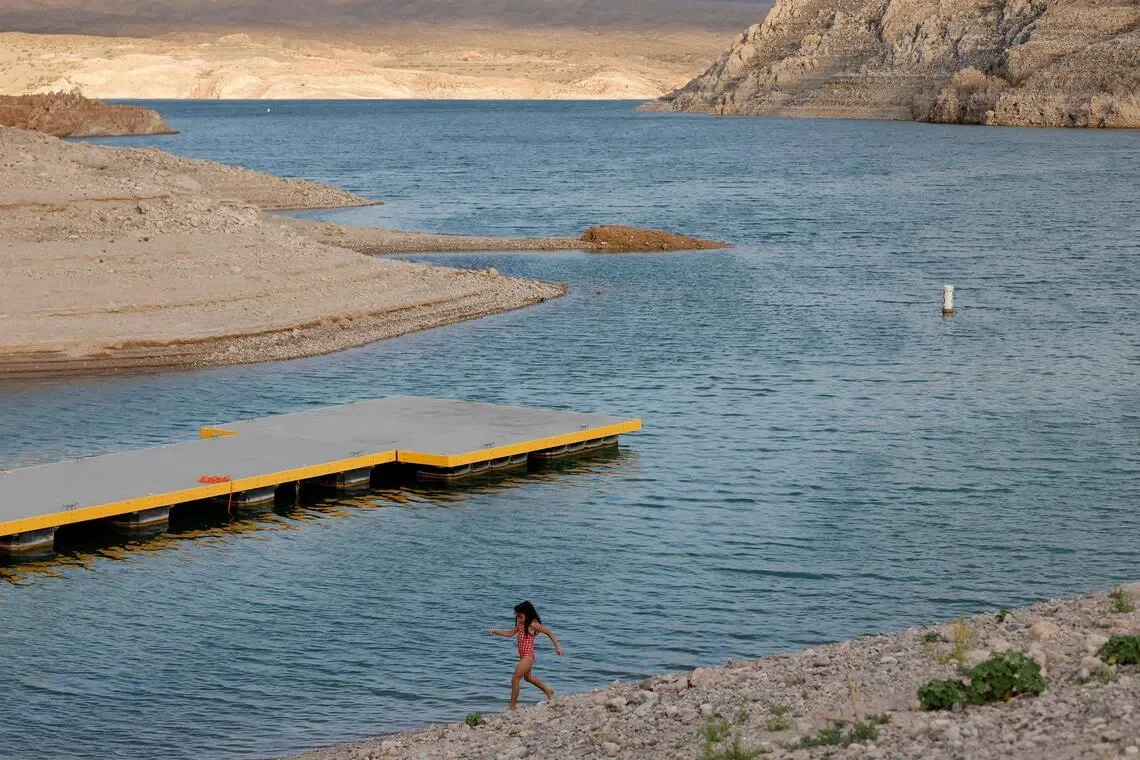
Lake Powell and Lake Mead, the major reservoirs fed by the Colorado River, have fallen to record lows amid years of drought and overuse worsened by climate change [1, 2, 3, 4]. The plan is expected to reduce water usage in the lower basin by 3.7 billion cubic meters annually until 2036 [2, 3].
Nevada Governor Joe Lombardo called the water cuts "a matter of survival for a community that represents about two-thirds of our state’s citizens and the lion’s share of its economy." He said the lawsuit is not political posturing but a fight for essential water supplies [2, 3, 4]. The lawsuit argues the plan violates established river management rules and fails to properly consider the economic impacts of the cuts on Nevada’s urban areas [4].
Arizona, facing the deepest cuts under the plan, is expected to file a similar legal challenge soon [1, 2, 3]. The case is ongoing and expected to shape how water is distributed in one of the nation’s most crucial river basins.