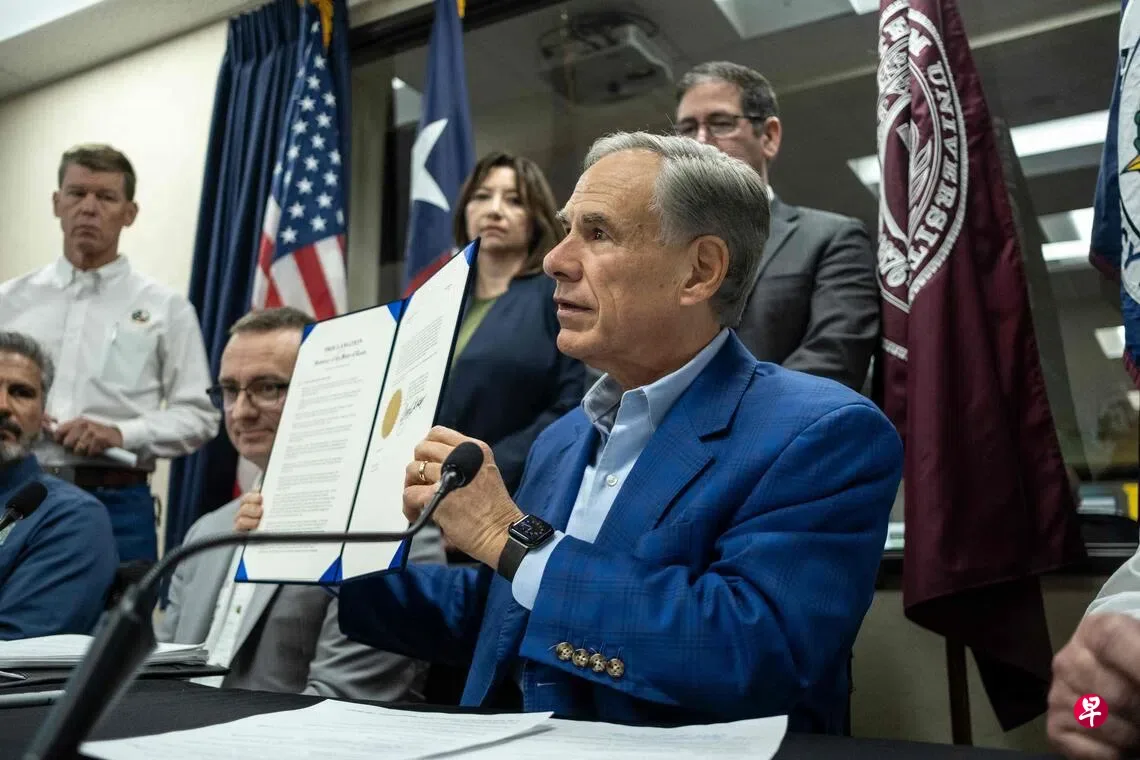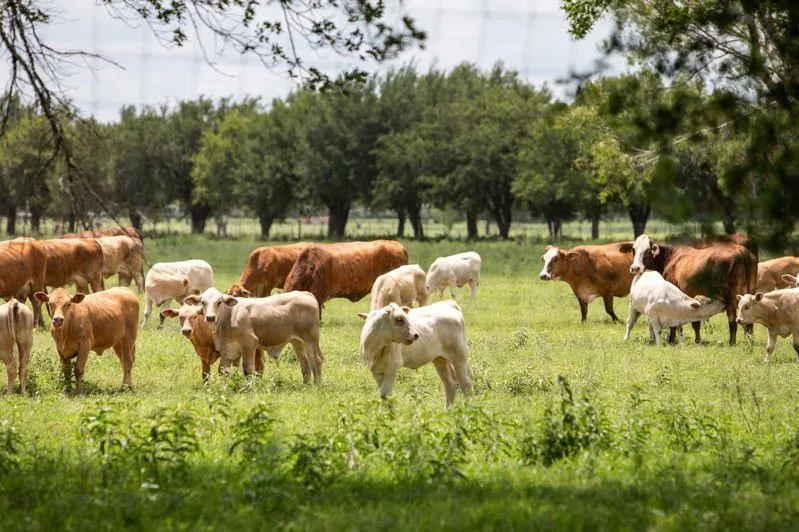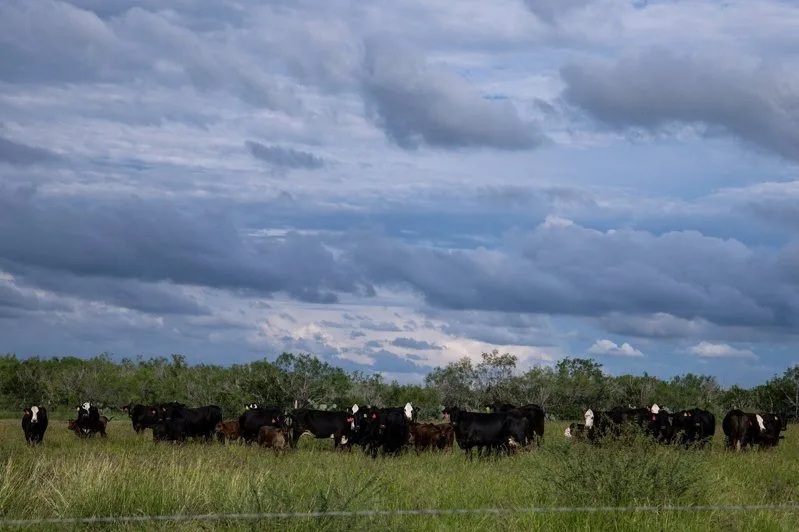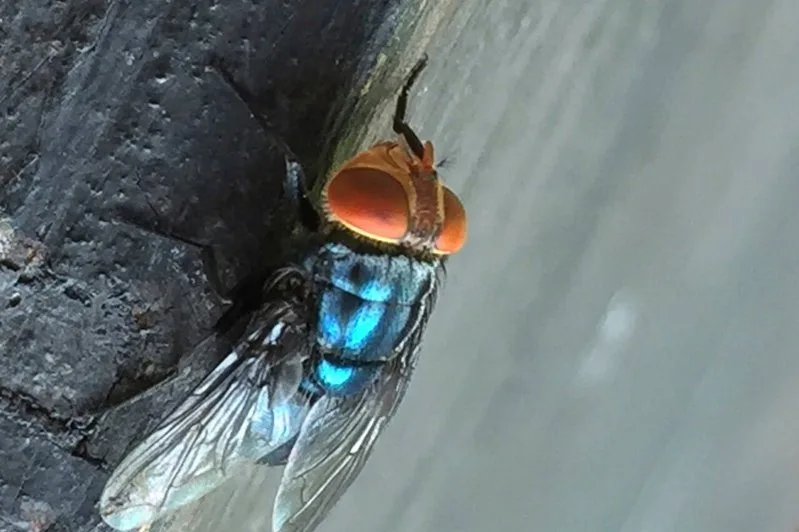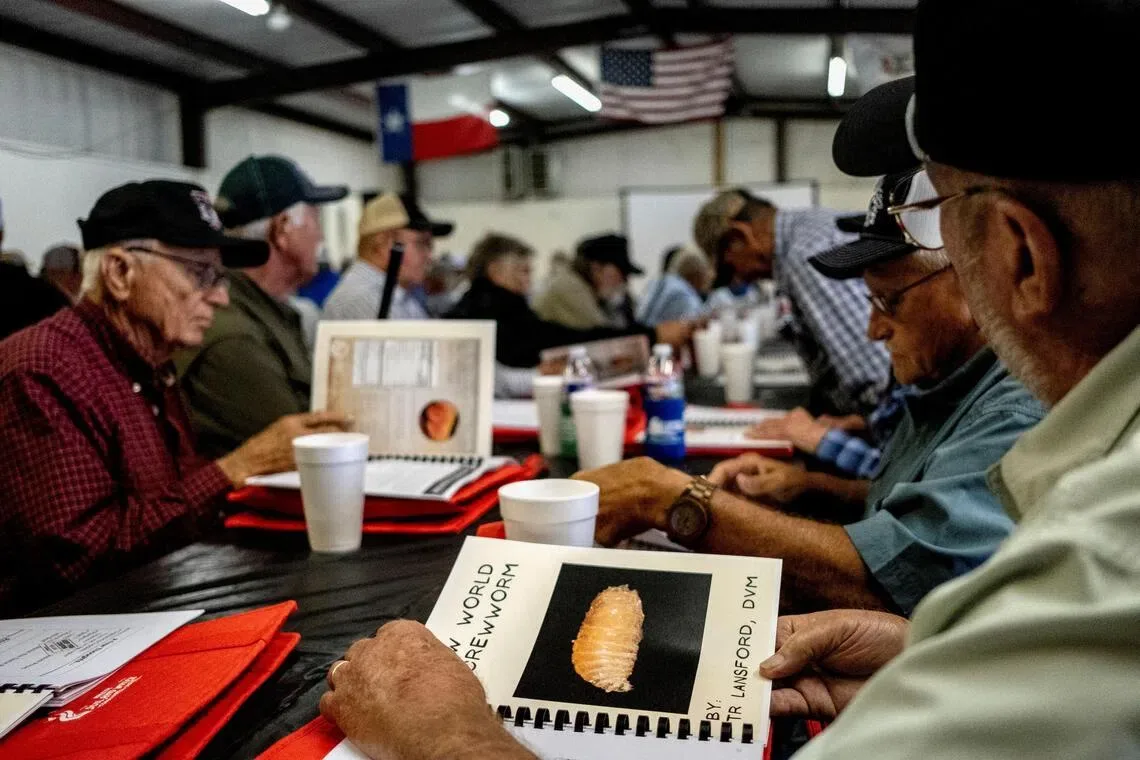
A New World screwworm fly infection was detected in a three-week-old calf in La Pryor, Texas, marking the first confirmed case in the US since 1966 [1, 2, 3, 4, 5, 6, 7]. The following day, a second case was confirmed in another calf about 9 kilometers (5.5 miles) away in South Texas [8, 9, 10, 11]. The discovery prompted Texas Governor Greg Abbott to declare a statewide disaster to contain the outbreak, stating officials have "issued a statewide disaster declaration to try to prevent the spread of screwworm infestations" [9].
Officials established a quarantine zone covering a roughly 20-kilometer (12-mile) radius around the infected areas, restricting movement of all warm-blooded animals unless inspected [1, 8, 2, 4, 5, 9, 10, 11, 7]. US Department of Agriculture (USDA) and Texas animal health authorities launched emergency response efforts, including releasing approximately 4 million sterile male screwworm flies weekly to disrupt reproduction and halt spread [1, 8, 2, 9, 10, 11, 7]. USDA Deputy Dudley Hoskins said, "We are indeed responding fully within the affected area" [6].
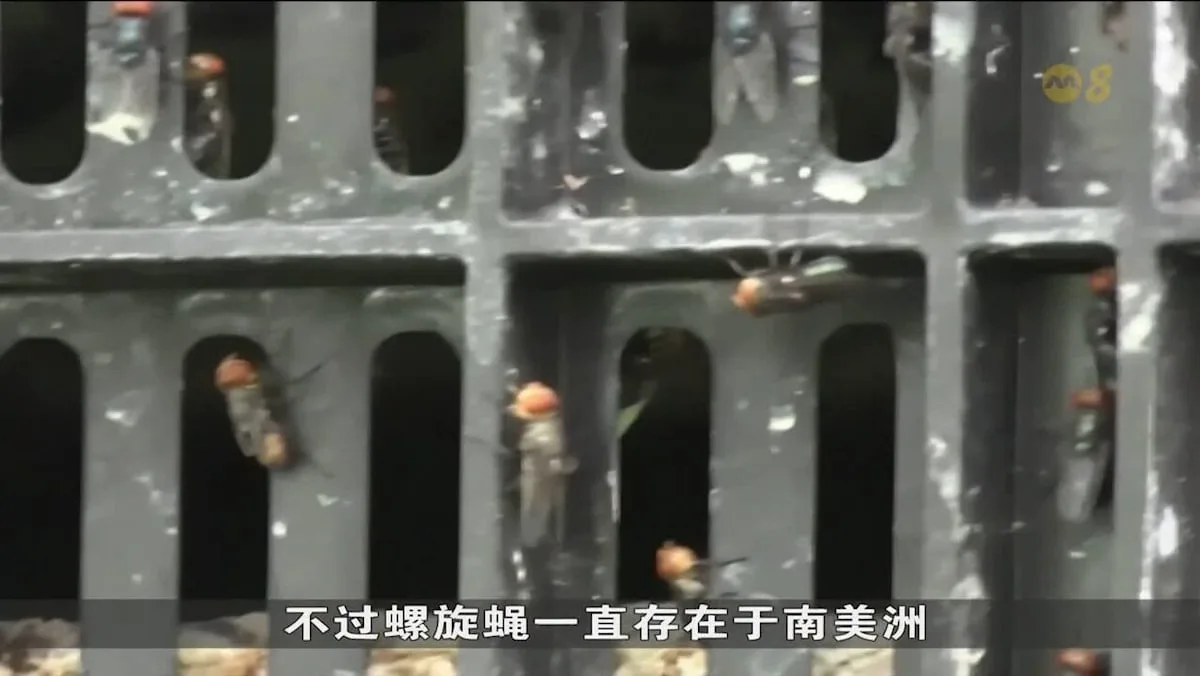
The screwworm parasite infests wounds of warm-blooded animals, feeding on living tissue and causing severe infections that can be fatal if untreated [1, 8, 2, 4, 9]. It was eradicated from the US by the 1960s through sterile insect release programs but has sporadically reappeared near the southern border, including outbreaks in Florida deer in 2016 [1, 8, 2, 9, 6, 11]. The insect is native to South America and is spreading northward through Central America and Mexico toward the US border [1, 8, 2, 4, 9, 7].
Canada temporarily banned imports of livestock that have been in Texas in the past 21 days to prevent cross-border spread [8, 9, 10, 11]. US officials have strengthened border controls and updated emergency plans since early 2025 to slow northern expansion of screwworm [1, 7]. USDA is building a sterile screwworm fly production facility expected to open by late 2027 to aid outbreak control [6].
The outbreak threatens severe impact to the US cattle industry and beef supply, with estimates of potential losses reaching $1.8 billion if the infestation spreads widely in Texas [8, 2, 4, 9, 12]. Cattle numbers are at a 75-year low due to drought and other pressures, increasing industry vulnerability [4, 12]. However, USDA confirmed screwworm larvae do not contaminate meat or food products, so the current US food supply remains safe from the parasite [1, 2, 4, 5, 7].
In rare human cases, screwworm larvae can infest people; one US human infection was reported in 2025 linked to travel in El Salvador [1, 7]. Texas veterinarian Bud Dinges urged local ranchers and pet owners in quarantine zones to comply, saying, "Stay put, help us stop this pest from spreading" [2]. US Agriculture Secretary Brooke Rollins expressed confidence, stating, "As long as we all work together and follow the guidelines on movement controls, there is no reason to think this invasion will allow the parasite to take hold across our national borders" [6].
The second infected calf case was reported on June 5, 2026, near the initial case discovered June 4 [8, 9, 10, 11]. The quarantine and eradication efforts continue as officials monitor and combat the outbreak centered about 50 miles from the Mexico border [2, 5].