Defence Minister Chris Penk announced plans to invest about NZ$1.6 billion (US$936 million) in drones, ship maintenance, and naval upgrades to bolster New Zealand's maritime security. The announcement was made on May 23 in response to rising concerns over supply routes and regional stability in the South Pacific [1, 2, 3].
The government will acquire two types of drones. One will conduct long-duration intelligence, surveillance, and reconnaissance missions across the southwest Pacific. The other is a polar-capable drone designed to operate from naval vessels in the Southern Ocean. These capabilities aim to extend New Zealand’s maritime reach and monitoring in critical areas [1, 2, 3].
Penk emphasized the strategic importance of the ocean to New Zealand’s wellbeing, stating, “New Zealand’s prosperity and security depend on the sea. Recent events have served as a reminder of how quickly disruptions to international shipping routes can affect economies and supply chains across the globe. The oceans are not a barrier to danger, but a vital national interest that must be actively secured” [2, 3].
The upcoming annual budget, scheduled for release next week, will increase defence spending from about 1% to roughly 2% of GDP. This rise reflects concerns over growing geopolitical tensions in the region, including China’s expanding military presence and allied countermeasures [2, 3].
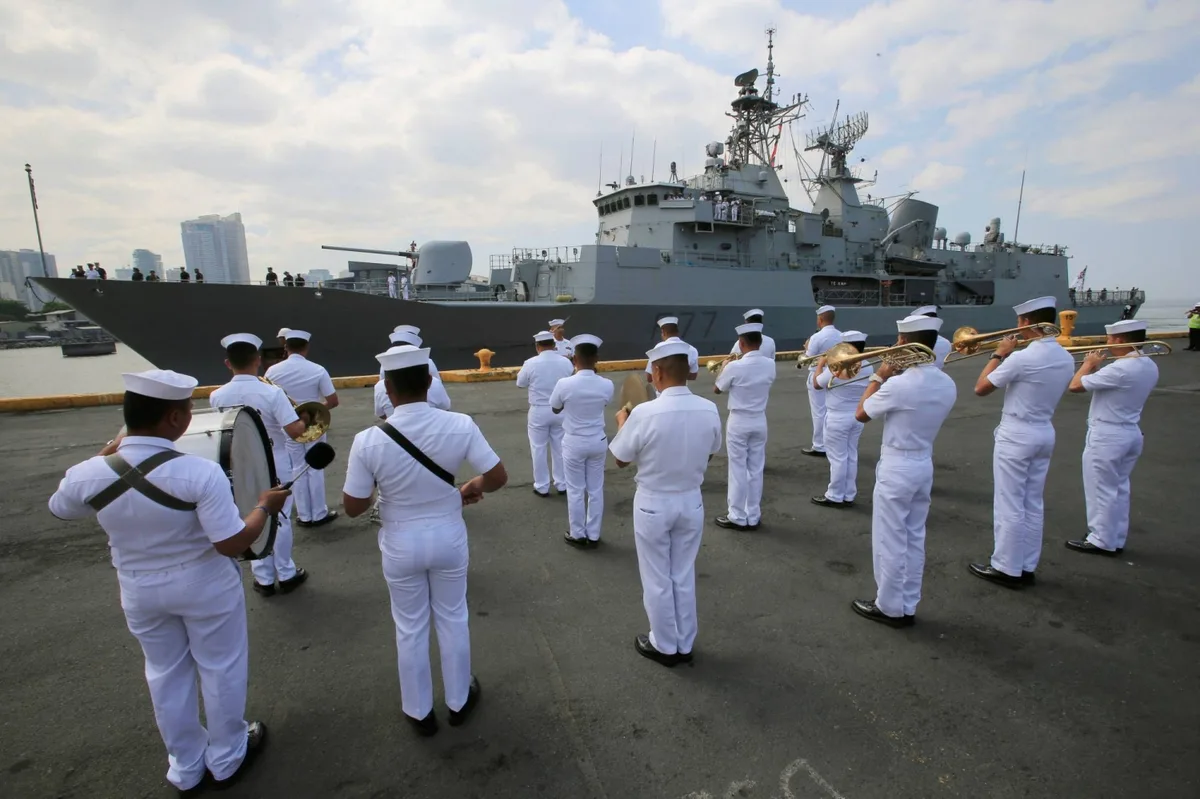
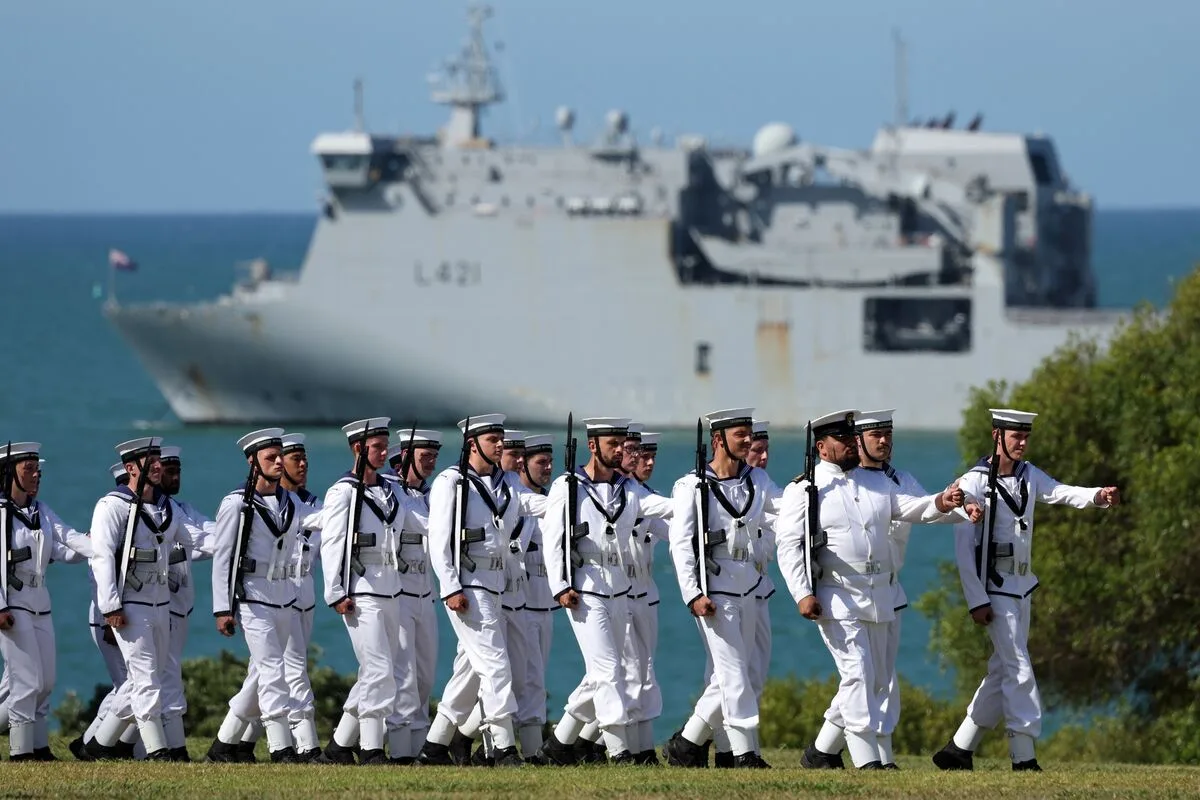
The government may also expand its current frigate fleet, which now consists of two vessels. The 2026 budget will cover maintenance for Anzac-class frigates and the HMNZS Canterbury to extend their operational life until new replacements arrive [2, 3].
These steps come amid increased South Pacific contestation. In February 2025, Chinese warships conducted live-fire drills in the Tasman Sea between Australia and New Zealand with little warning, highlighting rising security challenges in the maritime domain [3].
New Zealand aims to deliver the full defence budget and detailed spending measures next week, marking a significant shift toward enhanced maritime capability and regional security presence.