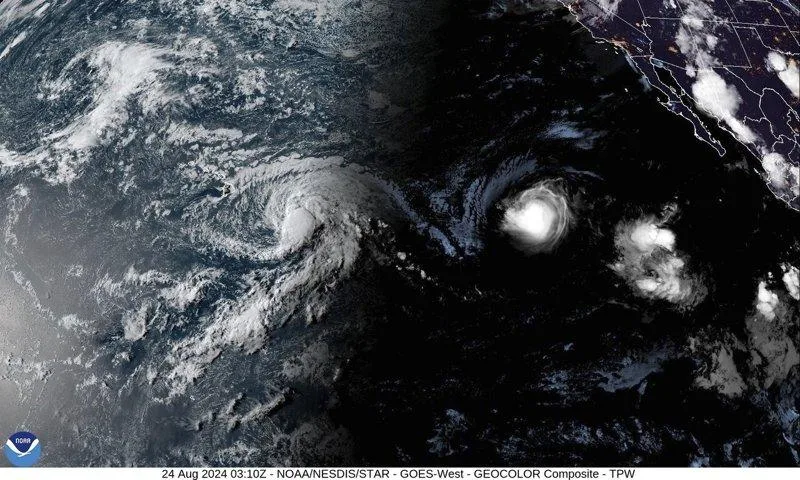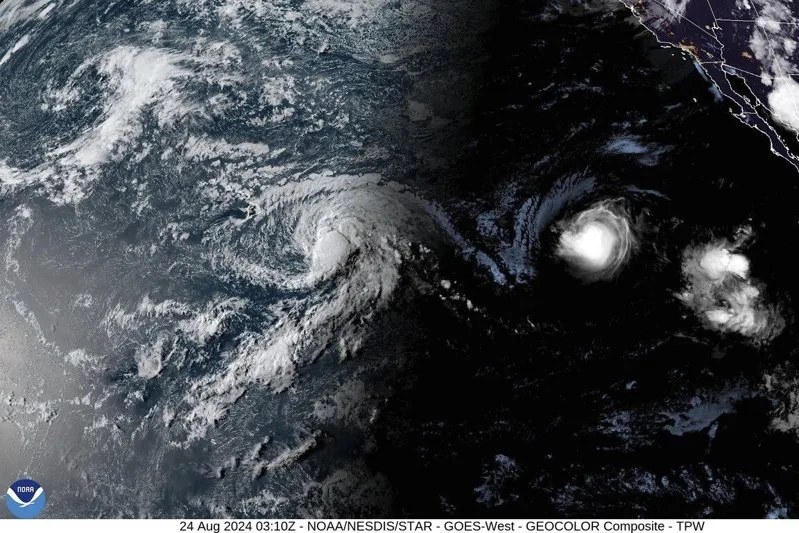
NOAA officially confirmed on August 11, 2026, that a strong El Niño event has formed in the Pacific Ocean [1, 2]. Scientists say there is a 63% chance this event will strengthen to extreme levels in late autumn to early winter 2026, possibly surpassing the record-breaking 1997-1998 El Niño [1, 2].
El Niño is caused by warm deep ocean water rising to the surface, which alters global weather patterns. Clark University climate scientist Abby Frazier explained, "El Niño brings warm deep ocean water to the surface, influencing extreme weather worldwide; the Pacific region especially may deteriorate rapidly" [1]. The 1997-1998 El Niño triggered heat waves, floods, droughts, tornadoes, and wildfires that caused billions in damages [1, 2].
UN Secretary-General António Guterres called the current El Niño an "urgent climate warning that will accelerate global warming trends" [1]. Predicting a possible 3°C sea surface temperature anomaly this year, ocean monitoring has expanded with over 4,000 buoys tracking changes [3].
This event’s peak may arrive 1-2 months earlier than usual, while large El Niños often last longer than average [1, 2]. Typically, El Niño weakens the Atlantic hurricane season but increases Pacific typhoon activity. The US East Coast and Gulf of Mexico may see fewer hurricanes, but places like Hawaii face higher typhoon risks [1, 2]. In the southern US, stronger storms and rainfall could overall benefit agriculture [1, 2].
Stanford economist Marshall Burke observed, "There is clear evidence that when temperatures exceed normal levels, US economic growth slows down" [1]. Globally, delayed effects of the super El Niño could make 2027 the hottest year on record [1, 2].
Historical context warns of risks: the 1877-78 super El Niño caused a global famine killing over 50 million people, worsened by unstable colonial regimes and poor policies at the time [3]. Washington State University Associate Professor Singh noted, "Drought alone does not necessarily cause famine; the 19th century tragedy was a combination of natural disaster and human failure" [3]. Modern advances like international aid, global logistics, and early warning systems reduce the chance of similar catastrophes today, though warming stresses economies and ecosystems worldwide [3].
Potential impacts include reduced crop yields, food price spikes, inflation, and disrupted supply chains, especially in vulnerable regions [3]. The El Niño’s evolution and effects will be closely monitored through the winter, with NOAA’s next major updates expected as the event develops.