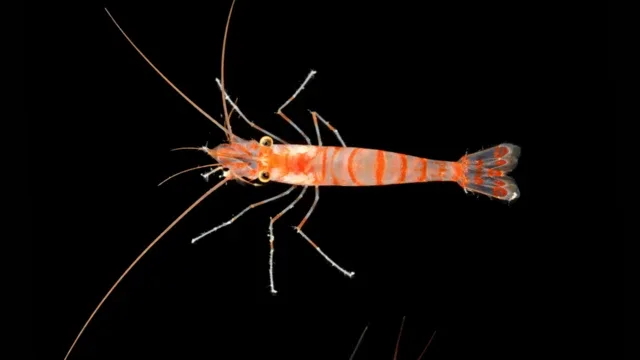
Scientists from the Ocean Census project discovered 1,121 new marine species in the past year, expanding knowledge of ocean life [1, 2, 3]. The Ocean Census is a joint effort by the UK-based Nekton and Japan's Nippon Foundation aimed at accelerating ocean exploration [1, 2, 3].
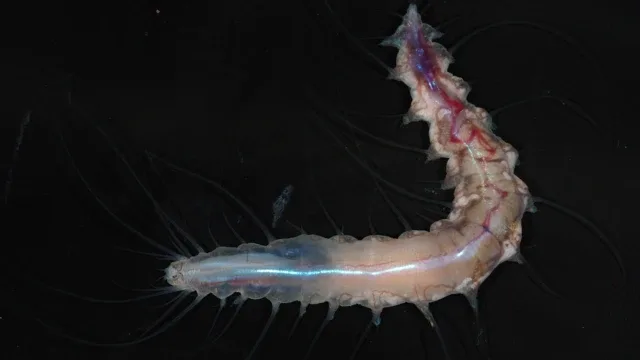
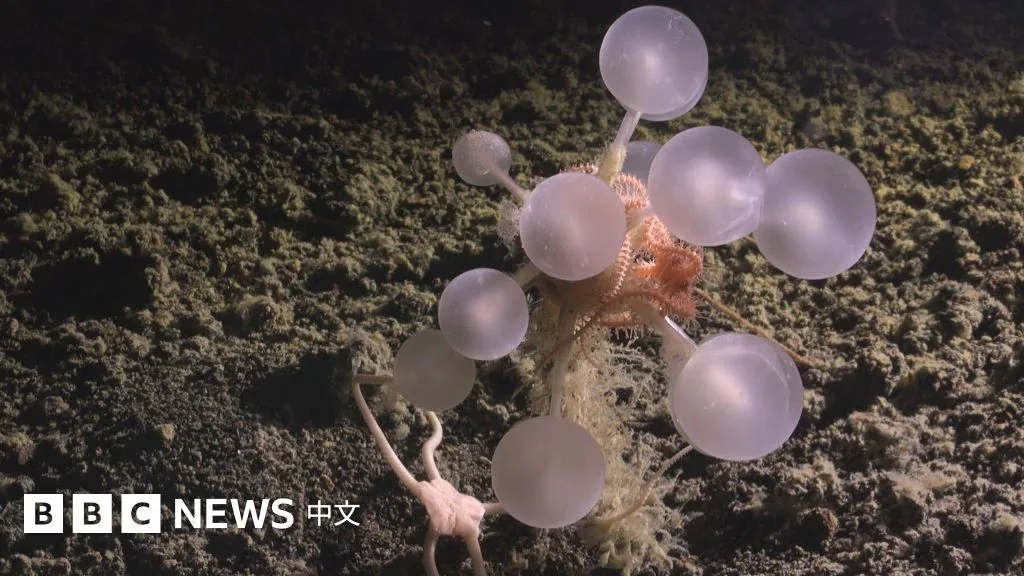
The newly discovered species include a deep-sea ghost shark, a carnivorous sponge, and a polychaete worm living inside a glass sea sponge named Dalhousiella yabukii [1, 3]. Marine biologist Michelle Taylor said, "The polychaete worms protect their sponge hosts like little bodyguards" [1]. Another notable find is a ribbon worm from Southeast Asia that may have biomedical potential for treating Alzheimer's and schizophrenia [1, 2, 3]. Dr Svetlana Maslakova commented, "The bright colors of ribbon worms likely warn predators of toxins" [1].
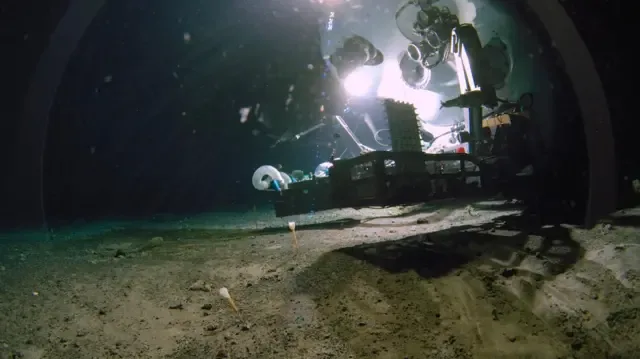
The discoveries came from 13 expeditions to remote ocean regions including Japan, the Coral Sea, Papua New Guinea, the South Sandwich Islands, and Antarctica [1, 3]. The team reached depths of up to 6,575 meters, well below the ocean's average depth of 3,682 meters [1, 3]. Oliver Steeds from Ocean Census remarked, "These discoveries are just the tip of the iceberg" and called the ocean a "planetary blindspot" [1, 2].
Scientists estimate that up to 90% of marine species remain undiscovered [1, 2, 3]. The project shares its findings openly using the NOVA data platform to preserve knowledge and accelerate research [1, 3]. On average, it takes 13.5 years from species discovery to formal scientific description, with sponges requiring 20-24 years [1, 3].
Marine biodiversity faces growing threats from climate change and fishing. Steeds warned, "If global warming reaches 2 degrees, 99% of coral reefs will be destroyed" [1].
Over the past year, the Ocean Census has increased its pace of discovery through new technology during its three years of operation [2]. It plans to continue expeditions and data sharing to further uncover unknown species in the world's oceans.