On July 18, 2026, coordinated protests took place at over 125 locations across the United States opposing the rapid expansion of AI data centers, organizers said [1, 2]. The demonstrations were led by Humans First, a conservative grassroots group co-founded by former Tea Party leader Amy Kremer [1, 3]. Kremer said residents “just woke up one day and found out they’re going to have this monstrosity in their community, and they don’t want it” [1]. She added, “I think this is the most important fight of our lifetime. This technology could wipe us off the face of the planet” [2].
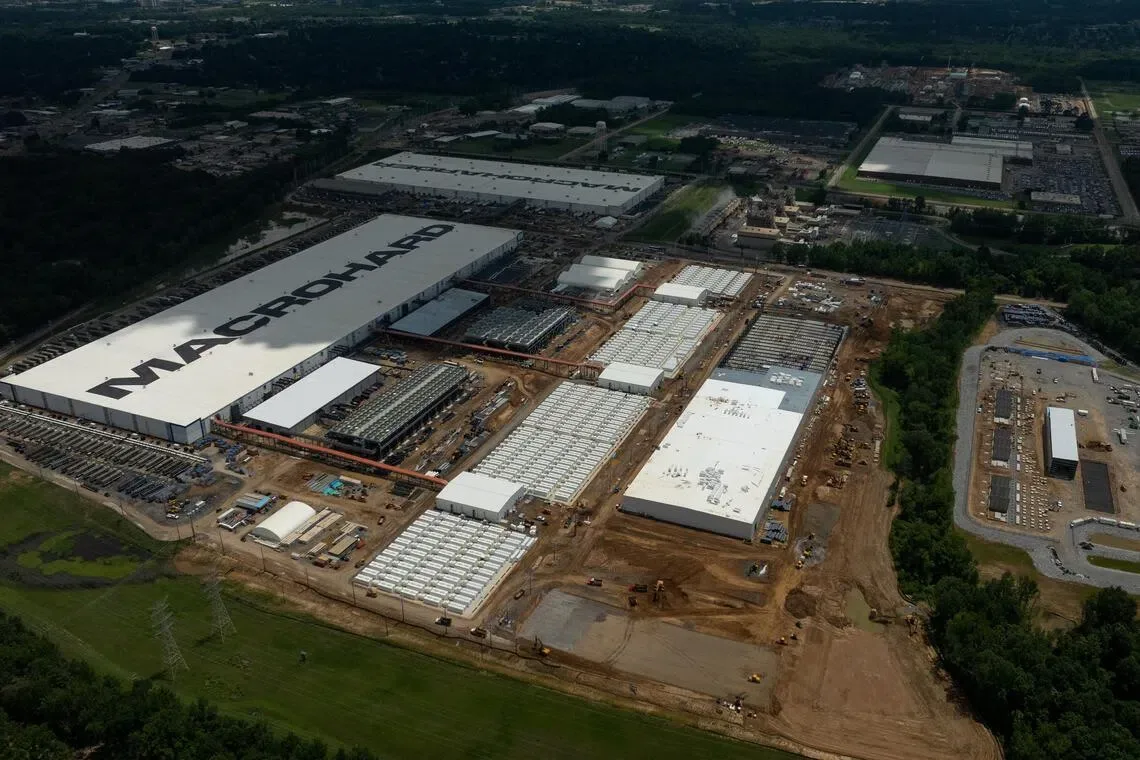
Opposition focuses on AI data centers’ high electricity and water consumption, pollution, noise, and effects on local communities [1, 4, 3]. Meta’s Prometheus data center in Ohio uses 630 megawatts of power, enough for half a million homes, illustrating the scale of energy demands [4, 3]. Data centers also use about 0.3% of total U.S. water supplies, contributing to resource strain [4, 3]. Residents in affected areas report noise, carbon emissions, and vibrations as additional problems [4, 3].
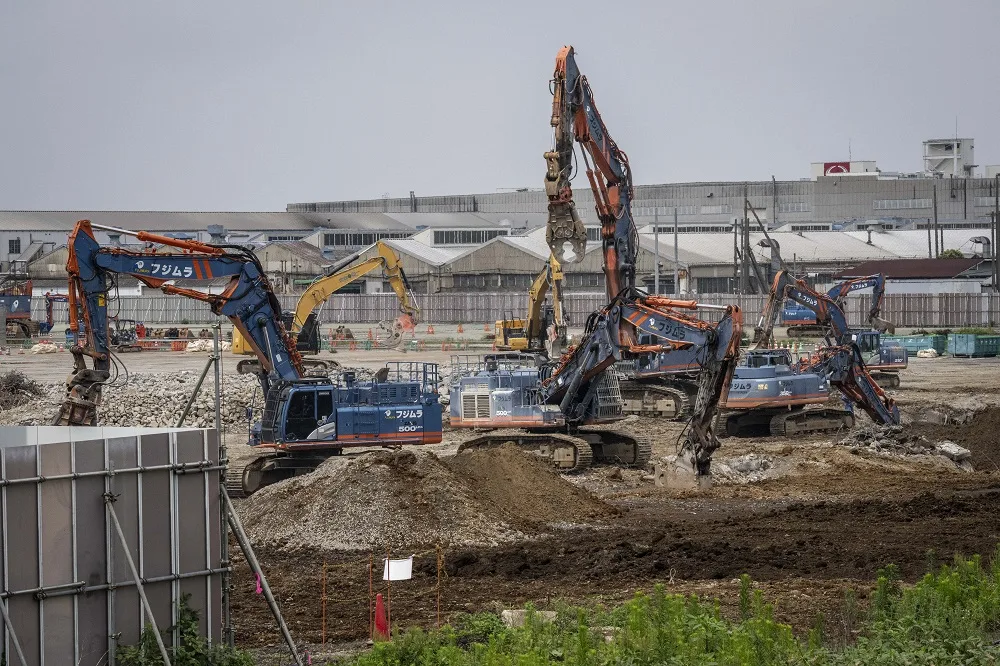
In Kenilworth, New Jersey, protests have targeted a $1.8 billion AI data center approved in May 2026. A petition against it gathered over 12,000 signatures by April [2]. Locals have voiced strong opposition despite official approvals, showing ongoing community resistance [2]. Similar concerns persist in Japan, where scarce land forces data centers near residential neighborhoods, prompting legal challenges [5, 3]. Ninety-four-year-old Yoriko Kitagawa called plans there “a terrible plan” [5].
The backlash is politically broad. A June 2026 Reuters/Ipsos poll found only 14% of Americans support having a data center built in their community, while 33% approve the pace of their construction nationwide [1]. The issue has united diverse groups beyond typical ideological lines [1]. The NAACP filed a lawsuit in April against SpaceXAI for pollution from gas turbines impacting mostly Black neighborhoods [3]. Governments in the US, Australia, Europe, and Japan have enacted or promised regulations addressing environmental and resource impacts of data centers [5, 3].
Despite weather challenges, protesters used chants, noise makers, and public demonstrations to press their concerns [2]. Amy Kremer predicts that unchecked growth of AI infrastructure could be a defining political issue through 2028 [1, 2].