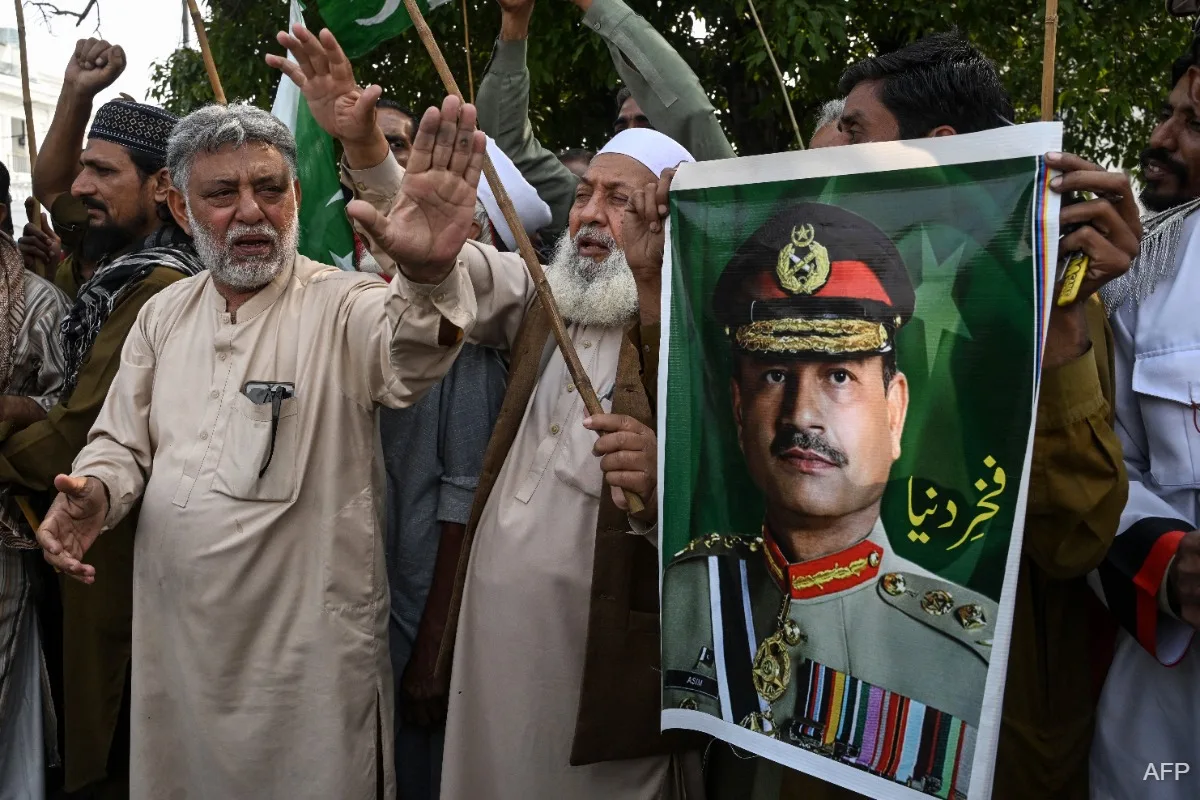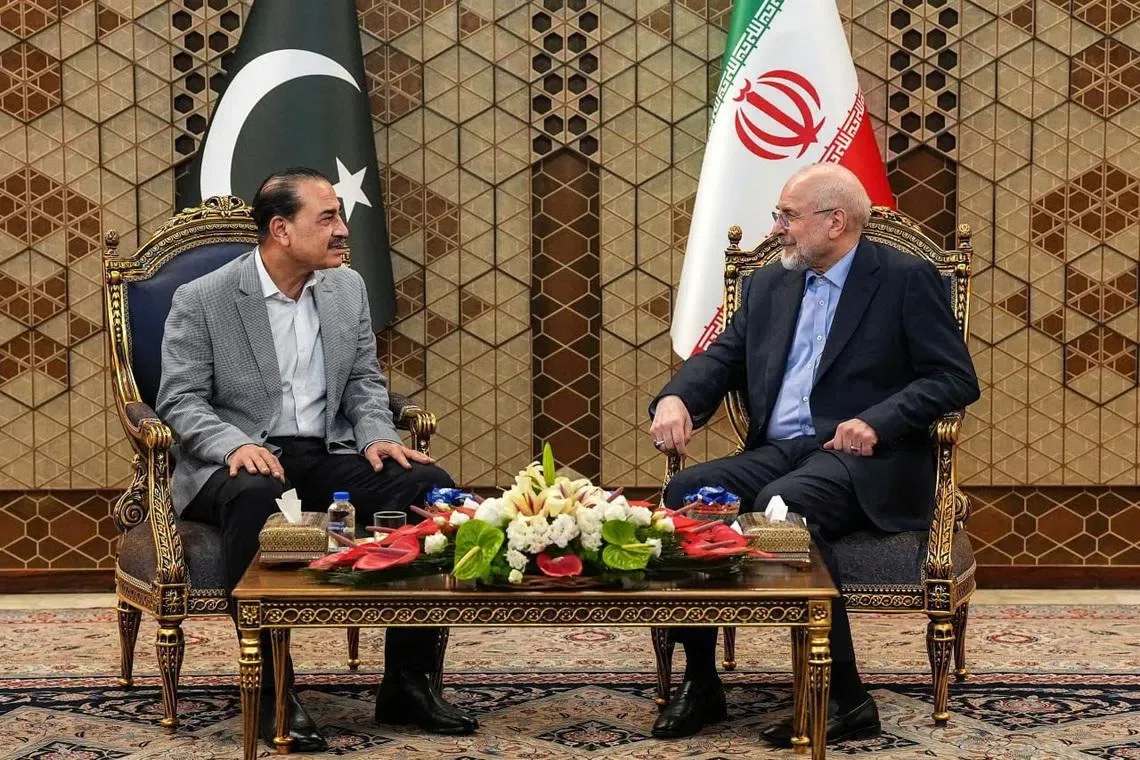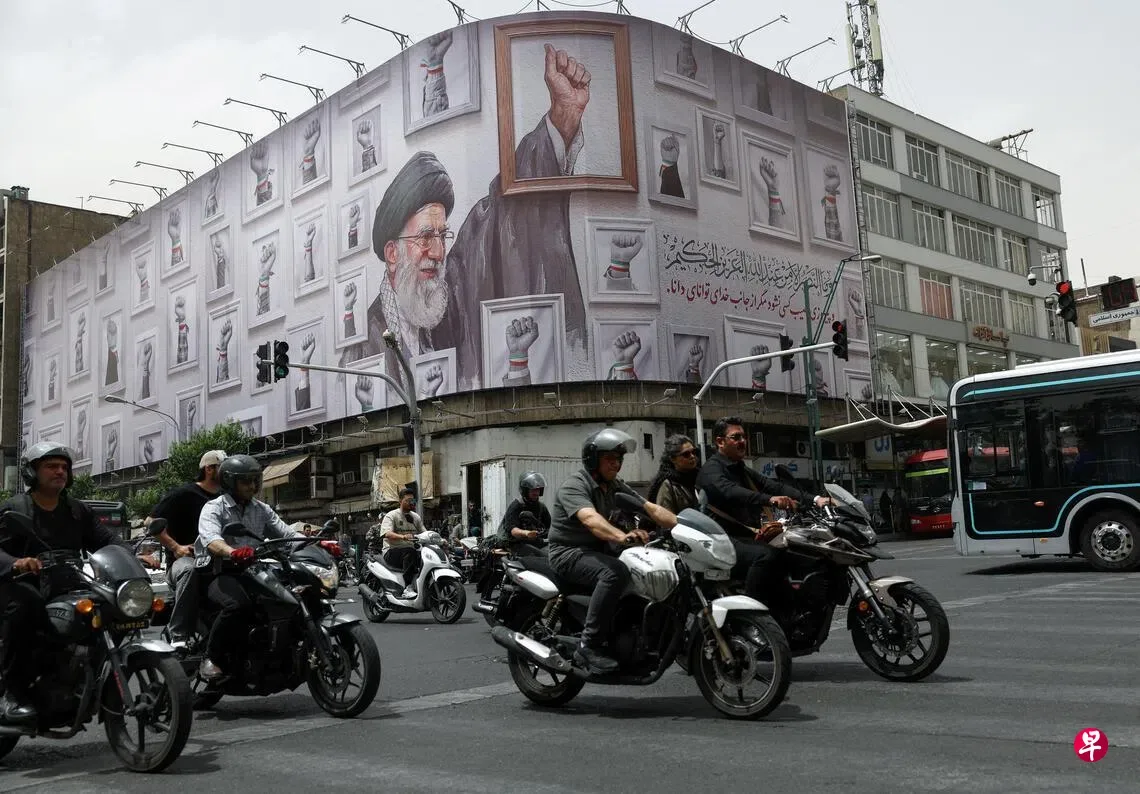
Field Marshal Asim Munir, Pakistan's army chief, travelled to Tehran around May 21-22 to meet Iranian officials and mediate stalled negotiations between the US and Iran aimed at ending the ongoing Middle East war [1, 2, 3]. Pakistan has hosted the only direct talks between US and Iranian officials since the war began on February 28, with Munir playing a central role [1, 4, 5].
Despite ongoing discussions and multiple proposals, no peace agreement has been reached as Iranian and US positions remain far apart [1, 3, 4]. US President Donald Trump warned on May 20-21 that talks were "right on the borderline" between a deal and renewed military strikes, emphasizing Tehran must give "100 percent good answers" or face swift retaliation [1, 4]. Trump said, "If we don't get the right answers, it goes very quickly. We're all ready to go." [1, 4]
Iranian Foreign Ministry spokesman Esmaeil Baghaei said May 20-23 that disagreements with the US were "deep and extensive," but progress was being made. He noted, "The trend this week has been towards a reduction in disputes, but there are still issues that need to be discussed through mediators." [3, 6, 4]
Pakistan’s Interior Minister Mohsin Naqvi also visited Tehran twice in May to push the talks forward, meeting Iranian Foreign Minister Abbas Araghchi and Interior Minister Eskandar Momeni [2, 3, 5]. Araghchi said Iran would negotiate "if necessary and if the interests of the system require it," matching the determination shown by its armed forces [4].
A Qatari negotiation team arrived in Tehran by May 22 to coordinate with the US and assist brokering an agreement alongside UAE and Saudi efforts [7, 8]. Iran is reviewing a revised 14-point peace proposal submitted to the US via Pakistan, which forms the main framework for talks [6, 4, 5]. The US demands Iran forgo nuclear weapons and open the Strait of Hormuz, while Iran seeks an end to US attacks and retention of legitimate rights [6].
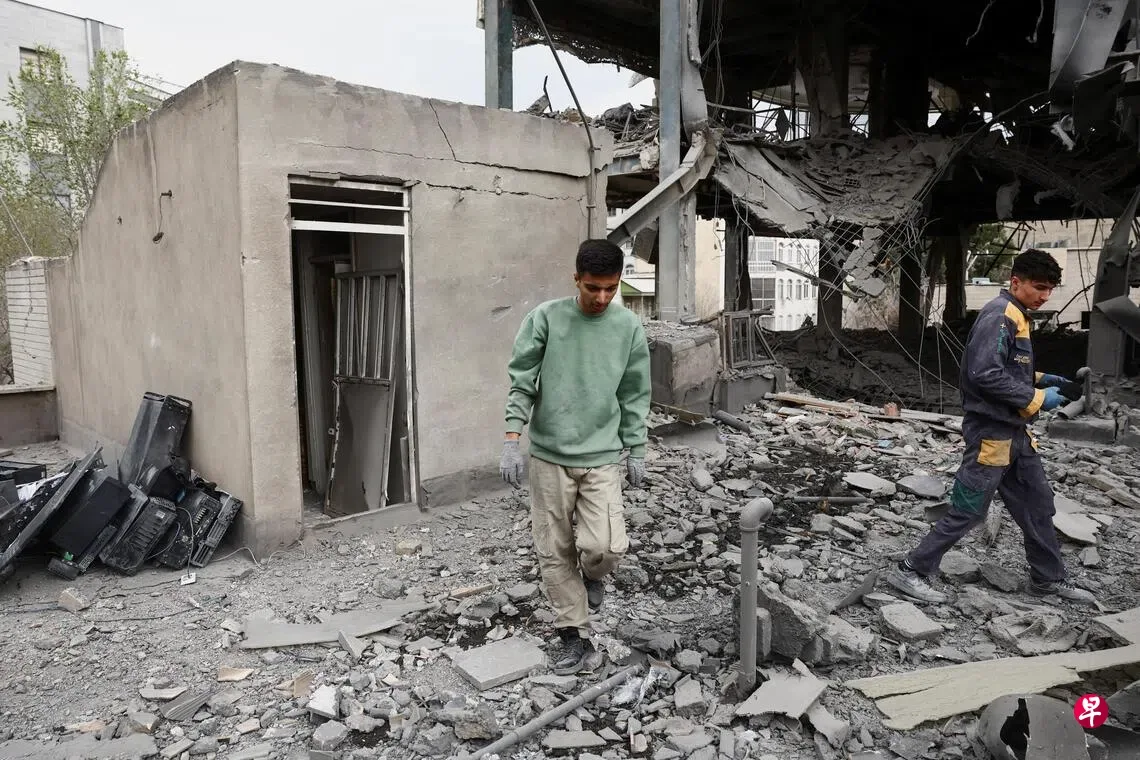
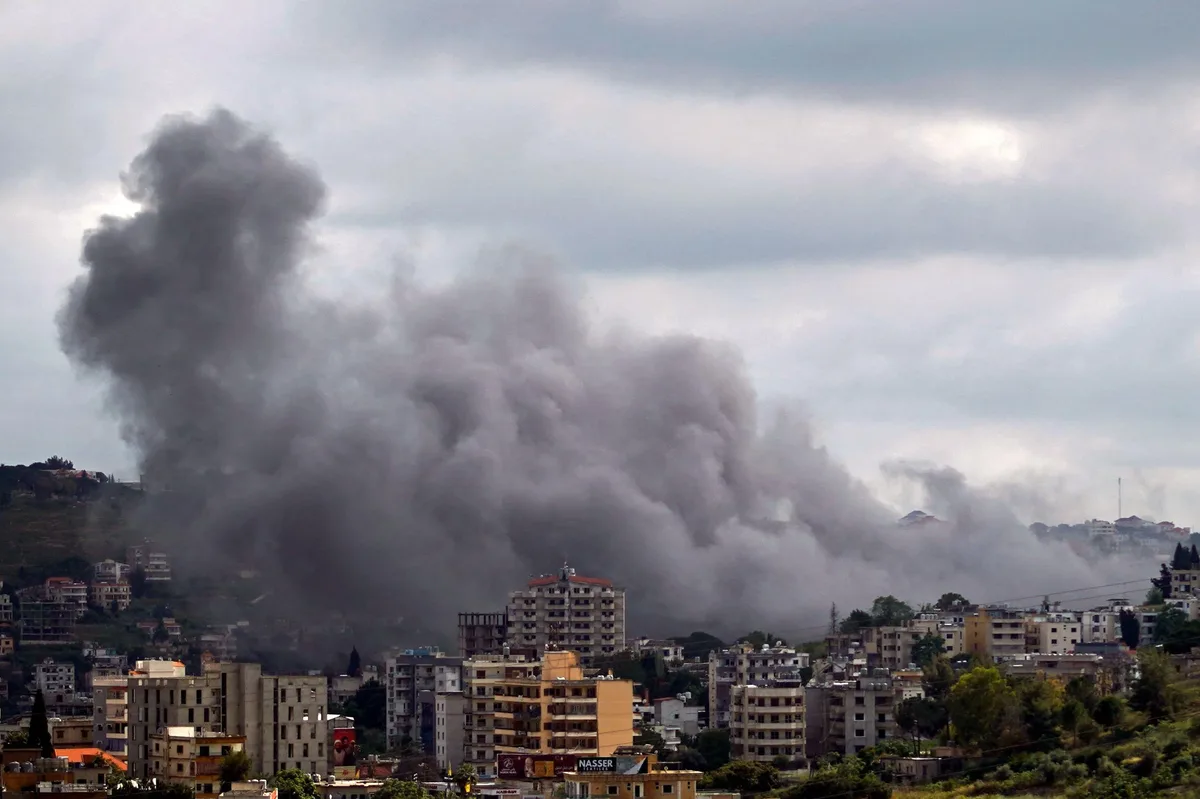
The war began February 28 with US and Israeli attacks on Iran. A ceasefire on April 8 briefly halted open conflict, but hostilities and diplomatic efforts continue [1, 3, 4]. The Lebanon front remains active, where Hezbollah and Israeli strikes have caused over 3,000 deaths since March [3, 6].
The Pakistani mediation effort continues as talks persist in Tehran. The next days will be critical in determining whether the parties can narrow their differences and reach a formal ceasefire agreement [9, 6].