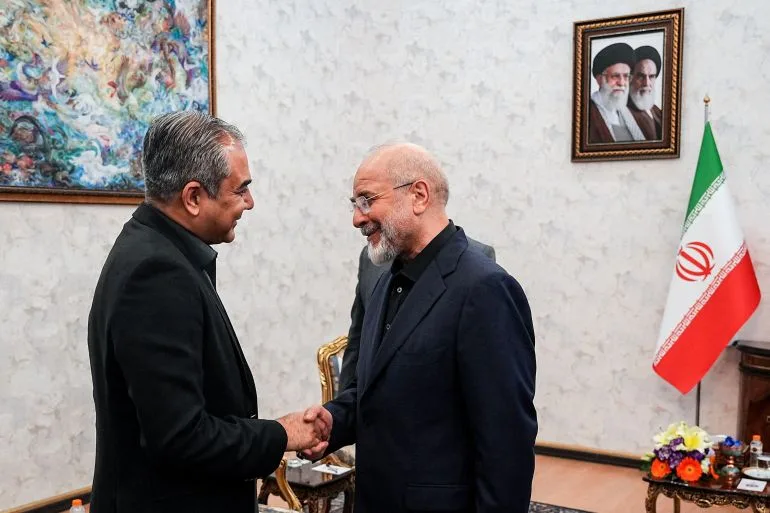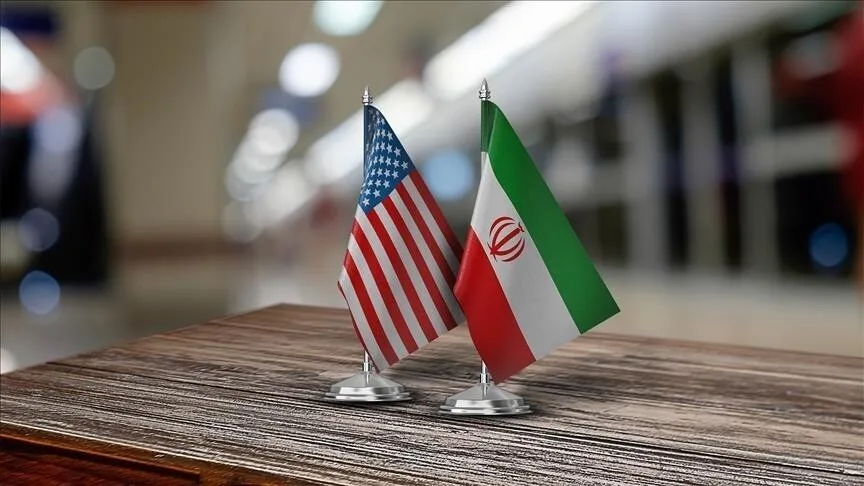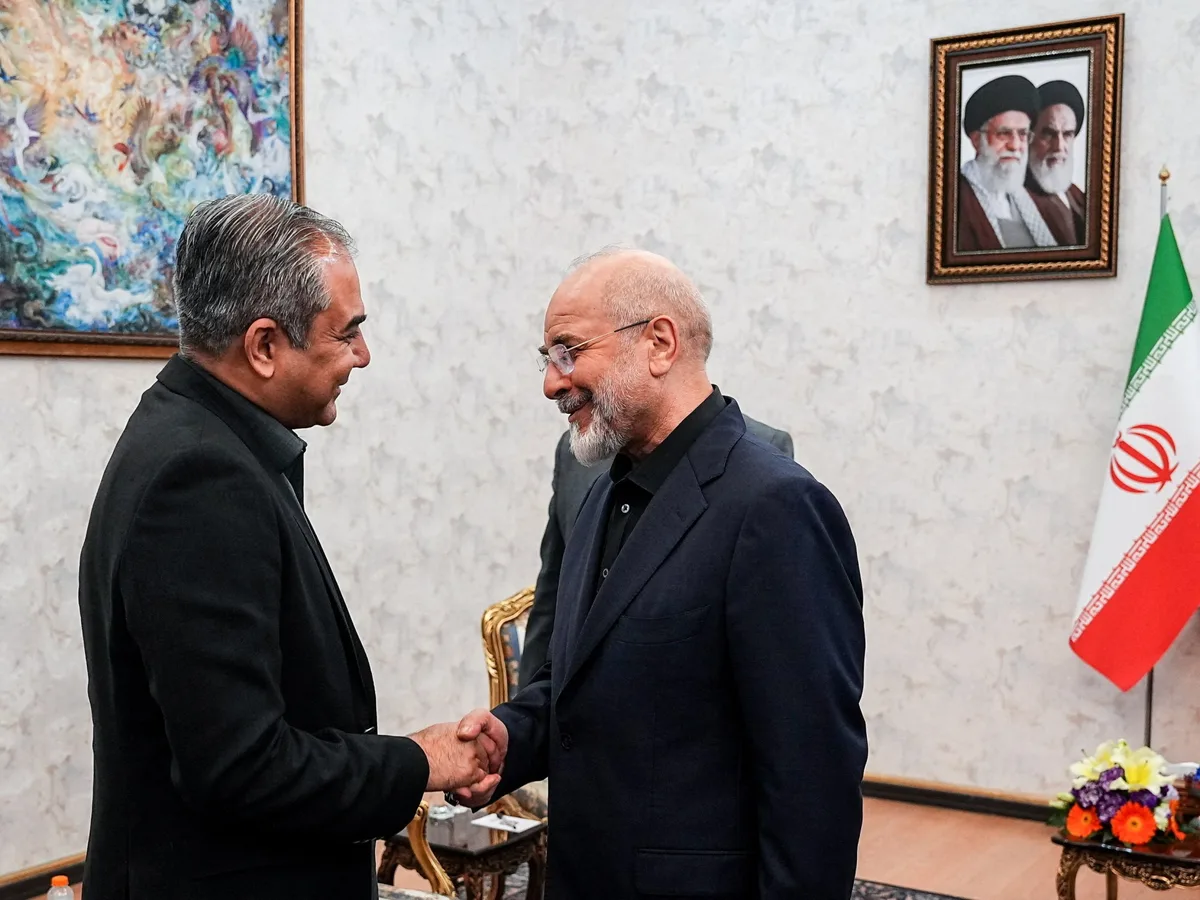
Pakistan brokered a two-week ceasefire between the US and Iran on April 8, followed by talks in Islamabad on April 11-12 that failed to secure a permanent ceasefire agreement [1, 2]. On May 16, Pakistan’s Interior Minister Mohsin Naqvi traveled to Tehran for a two-day visit aimed at reviving negotiations between the US and Iran [1, 2].
Iran has submitted a 14-point proposal through Pakistani mediators to continue diplomatic discussions with the US [1, 2]. The negotiations remain deadlocked over the sequencing of resolving Iran’s nuclear program and reaching a permanent ceasefire. The US demands that nuclear issues be resolved before agreeing to a ceasefire, while Iran insists on holding separate nuclear talks within 30 days after establishing a ceasefire [2].
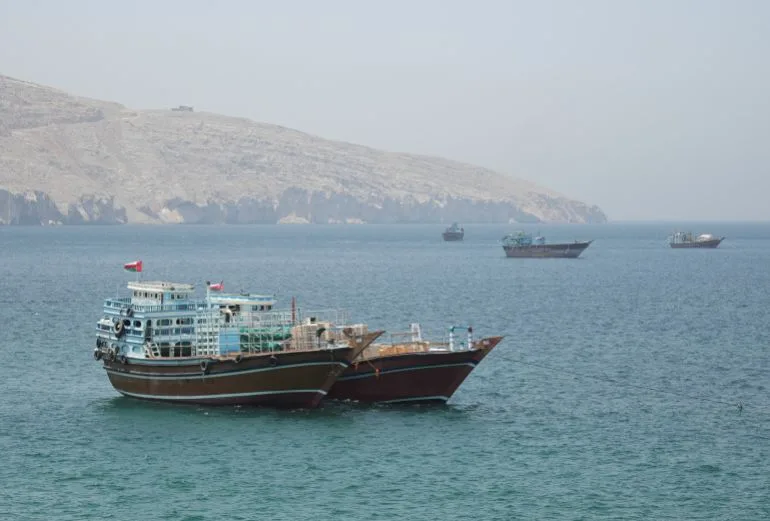
Pakistan is continuing its diplomatic efforts, engaging regional partners including Qatar, Saudi Arabia, and Egypt in attempts to break the impasse [2]. The regional situation remains tense. Over the weekend prior to May 18, drones targeted areas near the UAE’s Barakah Nuclear Energy Plant and Saudi Arabia intercepted drones inbound from Iraqi airspace [1].
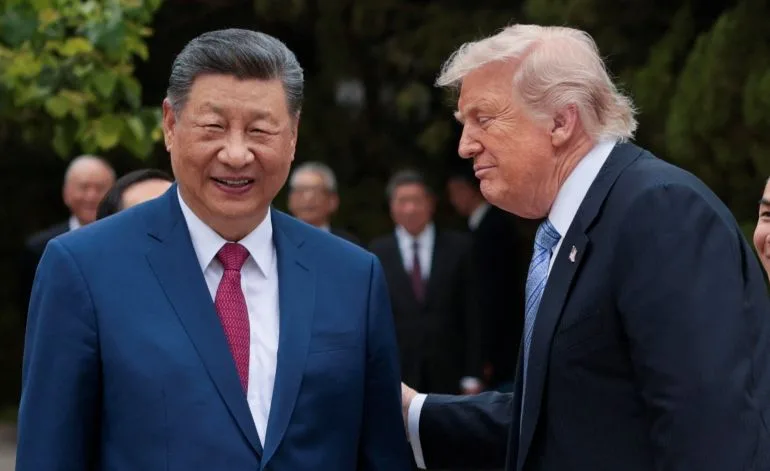
US President Donald Trump issued a public warning to Iran on May 17, urging quick action and threatening consequences. He said, "For Iran, the Clock is Ticking, and they better get moving, FAST, or there won’t be anything left of them. TIME IS OF THE ESSENCE!" [1]. Despite the public hostilities, Iran’s Foreign Ministry spokesman Esmaeil Baghaei confirmed ongoing diplomatic exchanges continue via Pakistan, stating, "The process is continuing through Pakistan." [1]
The next key diplomatic engagement is expected as Pakistan seeks to mediate further between the two countries amid regional tensions and stalled talks. No new permanent ceasefire agreement has been reached since the April negotiations [1, 2].