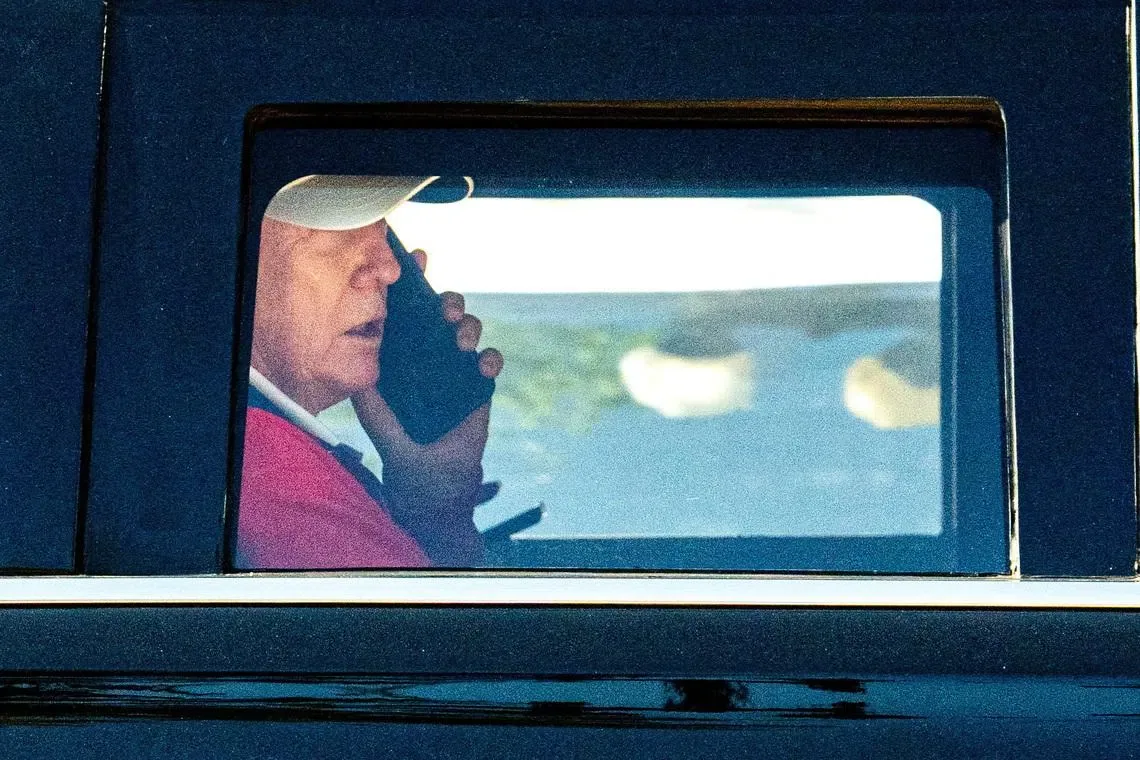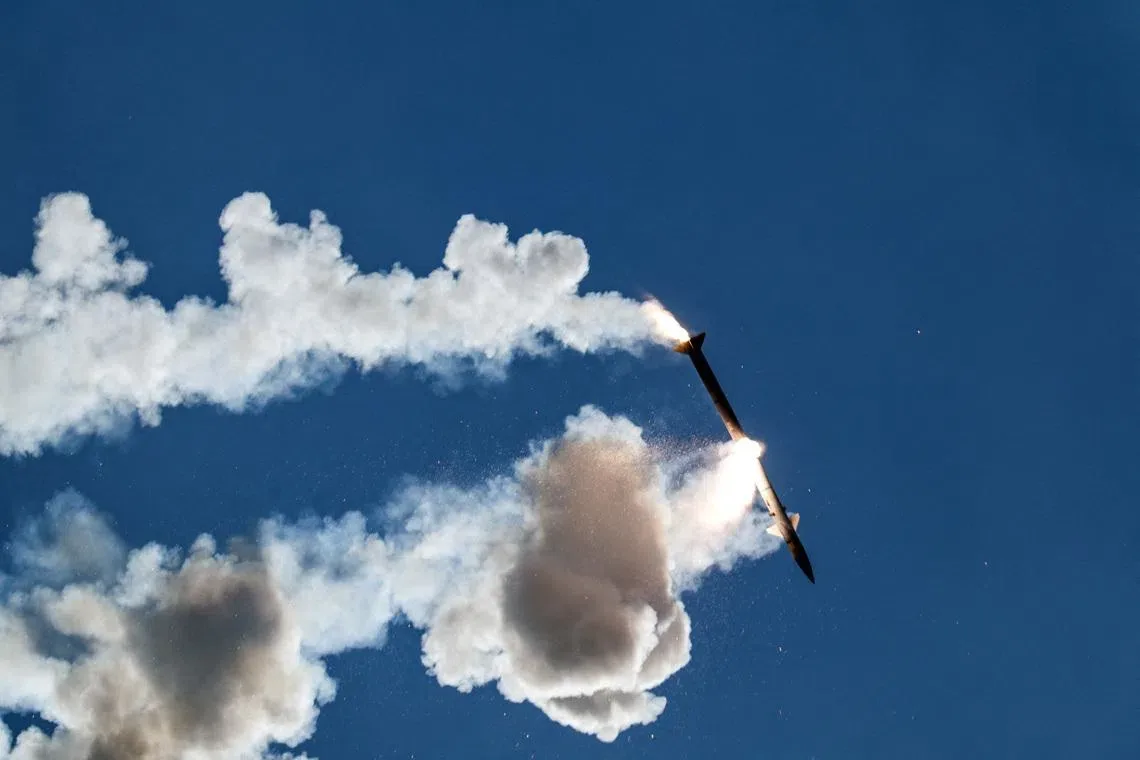
A partial ceasefire between Israel and the Iran-backed Lebanese militia Hezbollah was announced on June 1, 2026, involving Israel agreeing not to strike Beirut and Hezbollah pledging to halt attacks on Israel, according to US President Donald Trump and multiple sources [1, 2, 3, 4, 5, 6, 7]. Trump said he spoke with Hezbollah through intermediaries and secured their promise to stop attacks. He added that Israeli Prime Minister Benjamin Netanyahu agreed to pull back troops preparing to attack Lebanon, stating, "There will be no Troops going to Beirut... Likewise, through highly placed Representatives, I had a very good call with Hezbollah, and they agreed that all shooting will stop" [2].
Hezbollah did not publicly confirm the ceasefire but voiced support for a full ceasefire as a condition for Israeli troop withdrawal [4, 5, 6]. Israeli Defense Minister Israel Katz warned that if Hezbollah attacks continue, Israel would strike Beirut's southern suburbs again, saying, "Either the attacks on Israeli communities stop, or if attacks continue and we strike Dahiyah in Beirut, this equation will be realized" [3, 7].
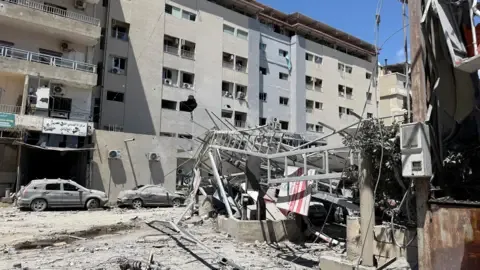
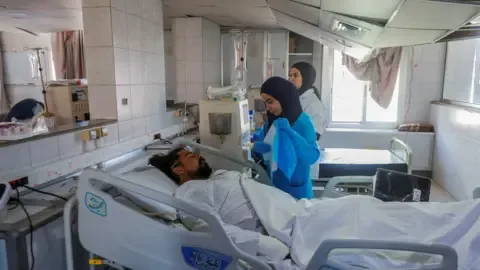
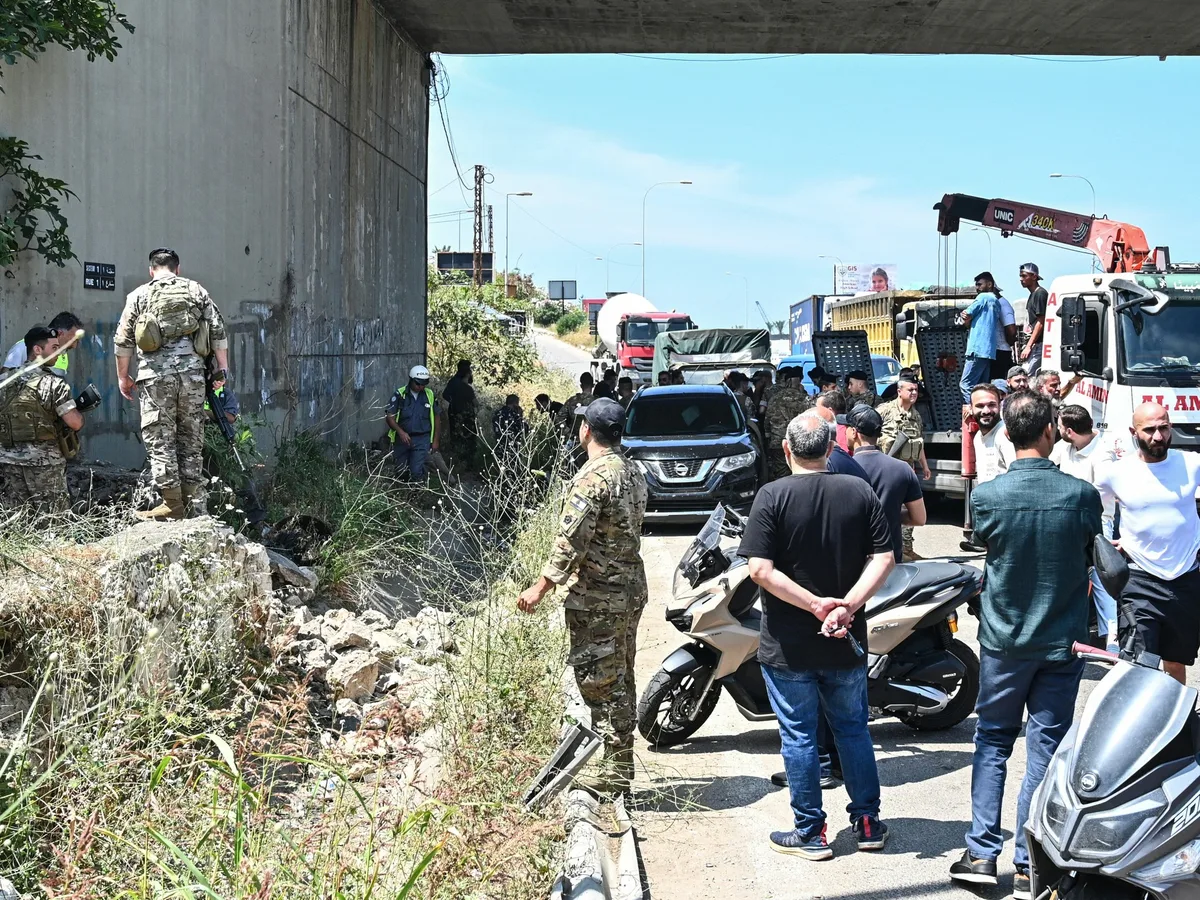
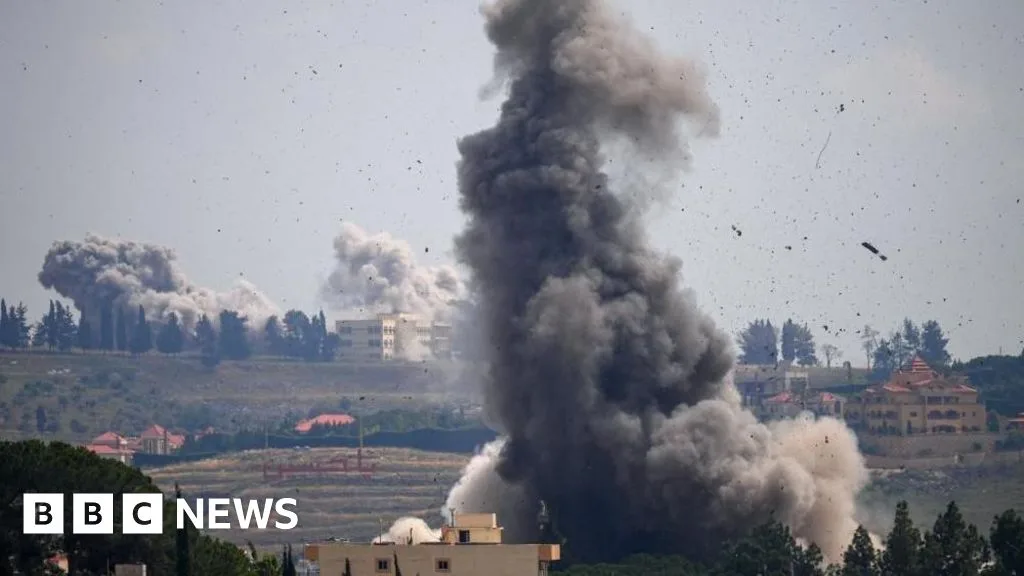
Despite the announcement, Israeli strikes continued in southern Lebanon on June 1 and 2. On June 1, Israeli airstrikes hit buildings near Jabal Amel hospital in Tyre, killing at least four civilians and injuring 127, including hospital staff, according to the Lebanese health ministry and witnesses. Dr Wael Mroueh, Director of Jabal Amel hospital, said, "We were working with patients and displaced people. Business was as usual, and suddenly, 'boom'. It happened without any prior warning. Pictures speak volumes" [1].
On June 2, Israeli drone strikes killed at least eight people in southern Lebanon, including children and a family, multiple sources reported [8, 9]. Israeli forces intercepted two projectiles fired from Lebanon into northern Israel following the ceasefire announcement [1, 3, 8].
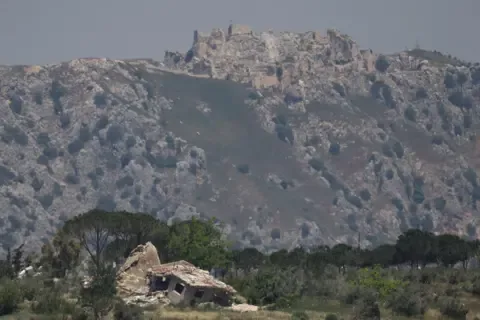
Israeli troops also advanced deep into southern Lebanon, capturing Beaufort Castle near the Zaharani River, marking the deepest Israeli incursion in 25 years [2, 4]. Despite the partial ceasefire, hostilities and strikes continued with casualties on both sides.
Iran warned that Israeli attacks endangered US-Iran indirect talks and risked breaking the broader ceasefire between the US and Iran [1, 3, 4, 7]. More than 1.2 million Lebanese have been displaced since March 2, 2026, due to the fighting following Hezbollah's rocket and drone attacks on Israel [2, 3].
On June 2, Israeli and Lebanese delegations began direct talks in Washington to seek expansion of the ceasefire agreement [9].