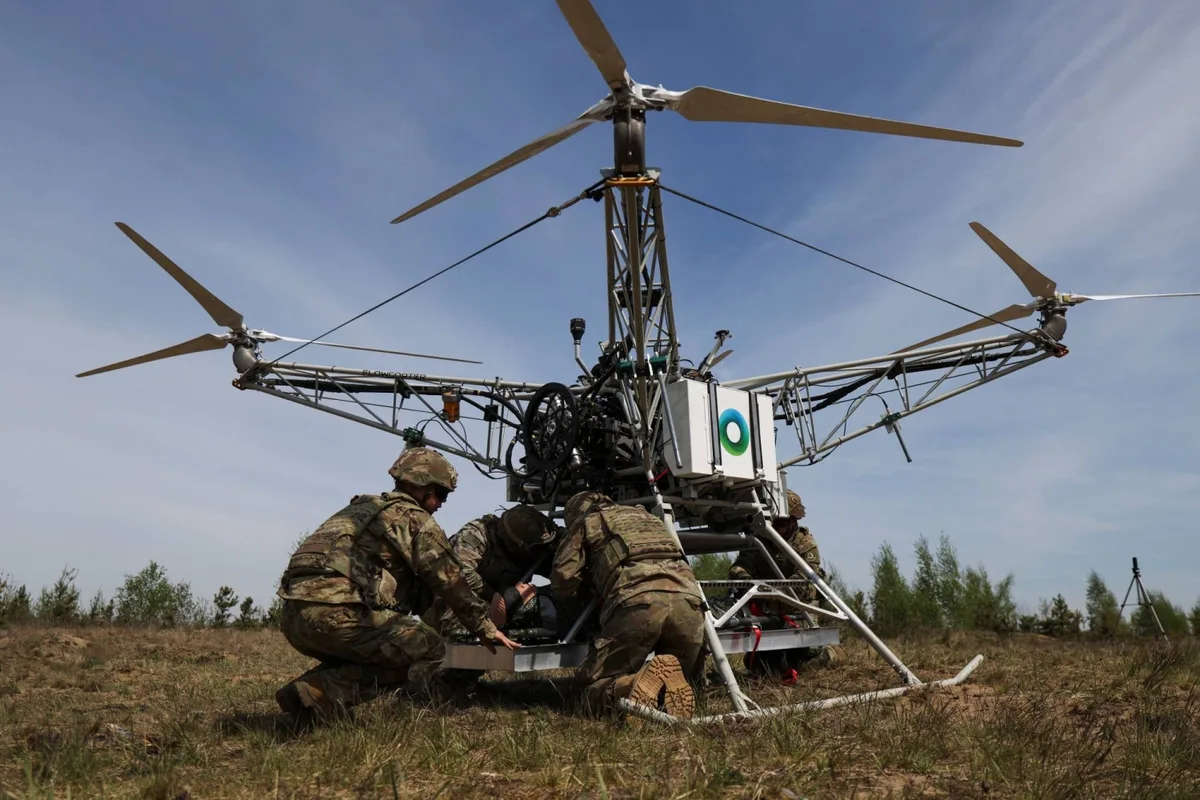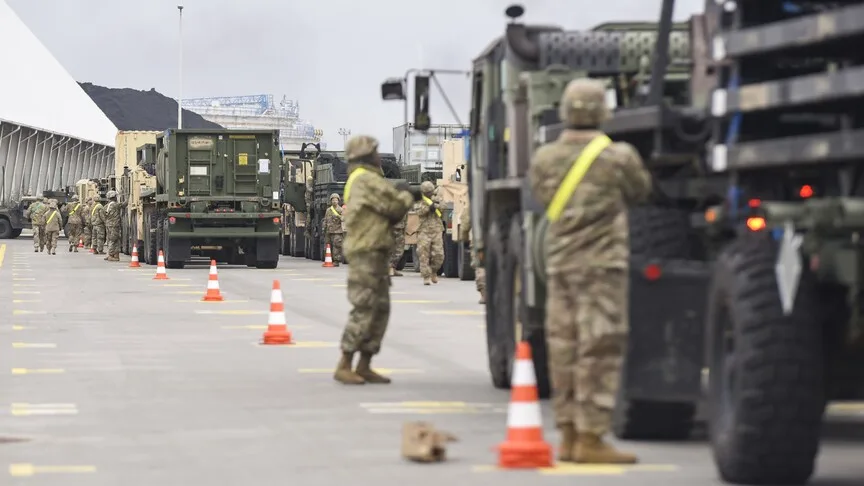
The Pentagon canceled plans to temporarily deploy 4,000 US troops, including the 2nd Armored Brigade Combat Team of the 1st Cavalry Division, to Poland, officials confirmed today[2026-05-15] [1, 2, 3, 4, 5]. The move came as part of a simultaneous decision to withdraw 5,000 US troops from Germany, marking a major shift in the US military presence in Europe[2026-05-01 to 2026-05-14] [1, 2, 4, 5].
Some troops and equipment from the brigade had already been sent overseas or were in transit before the deployment was scrapped, according to defense sources[2026-05-14] [4, 5]. The cancellation order came directly from the office of Secretary of Defense Pete Hegseth[2026-05-14] [4].
The decision surprised lawmakers and US allies. Senator Jeanne Shaheen said, "As far as I know, we weren't notified about it" [2]. Republican Representative Don Bacon added, "They called me yesterday. They did not know, they were blindsided... an embarrassment to our country" [4]. Representative Marilyn Strickland warned, "When we take that many troops away, it says that we are not reliable ally" [4].
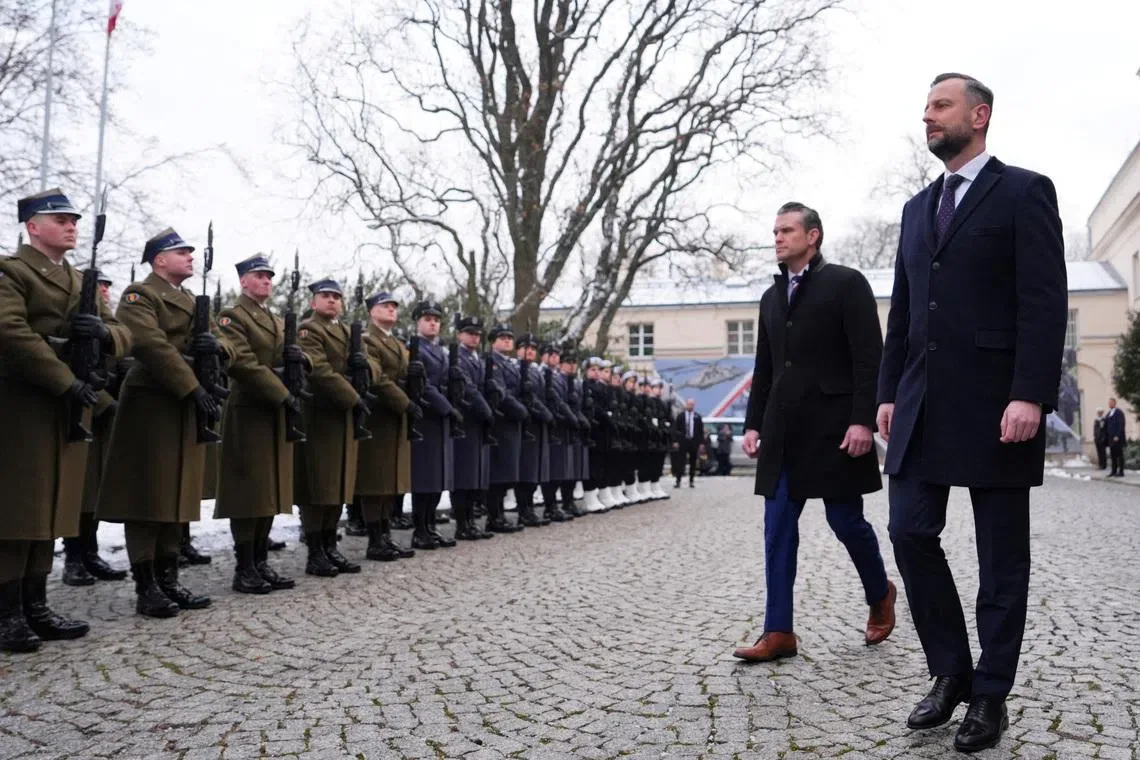
Poland’s defense minister Wladyslaw Kosiniak-Kamysz said Poland was not informed in advance and expressed hope that "If a brigade other than the one originally planned is sent to Poland — maybe the one from Germany — and 5,000 soldiers leave Germany for Poland... there is no change to the security guarantees" [4].
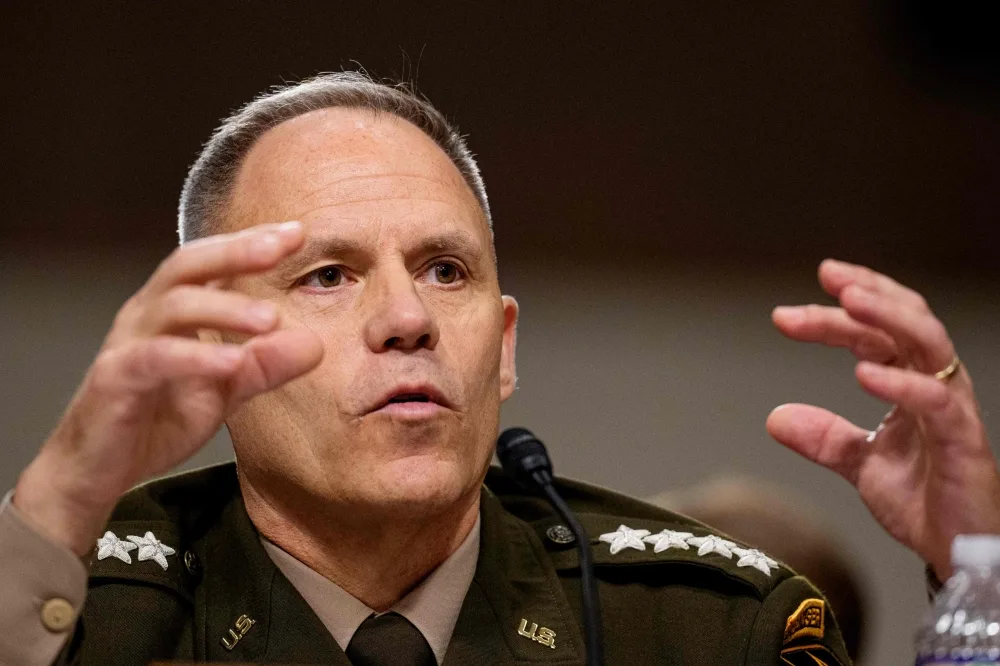
General Christopher LaNeve, who testified to Congress today, said he had worked closely on the deployment plans. He explained, "...it made the most sense for that brigade to not do its deployment in theater" [2026-05-15] [3, 4].
The cancellations are part of a wider US effort to reorganize and reduce its military footprint in Europe following directives from former President Donald Trump, who expressed anger at European NATO allies for not supporting US actions in the war against Iran and hinted at further troop cuts beyond Germany, including Italy and Spain. Trump said the cuts would be "cutting a lot further than 5,000 [troops]" [1, 2, 5].
Congressional criticism centered on the lack of prior notification to key allies and lawmakers, raising concerns about US reliability and coordination with NATO partners[2026-05-15] [4].
The Pentagon is expected to provide a detailed update on troop movements and force posture in Europe in upcoming briefings to Congress.