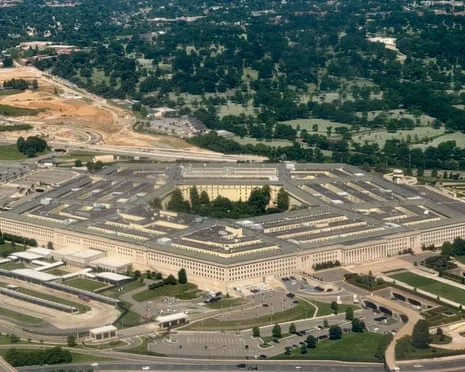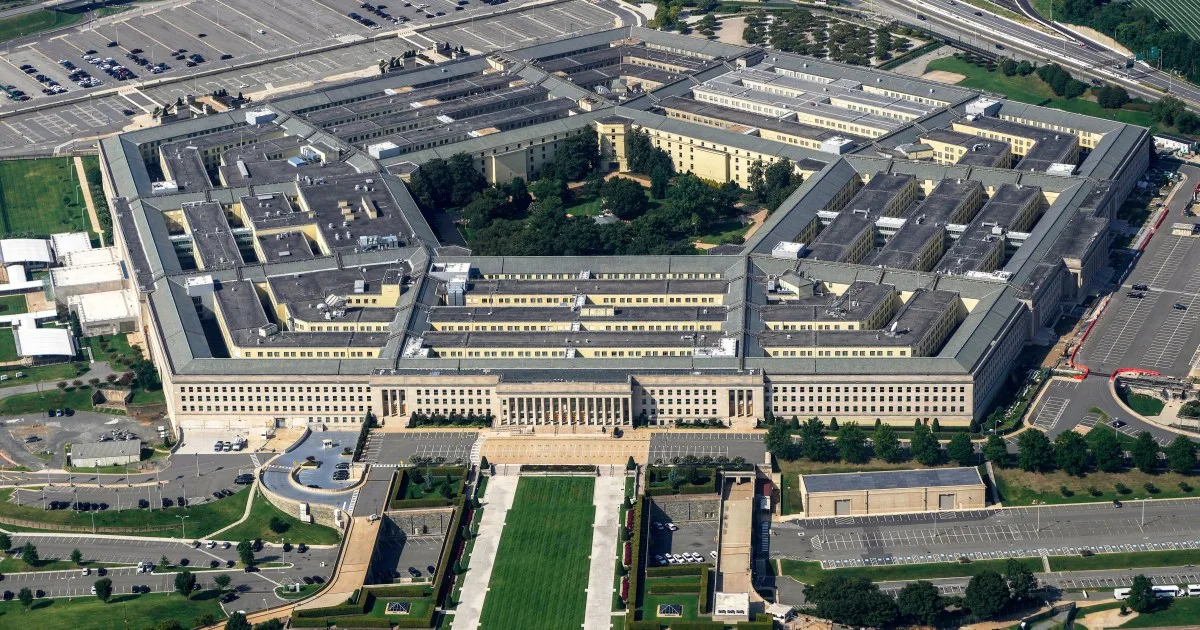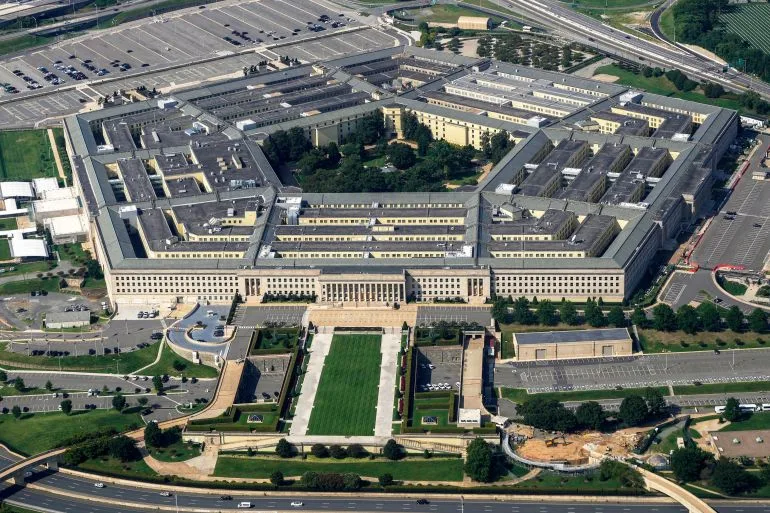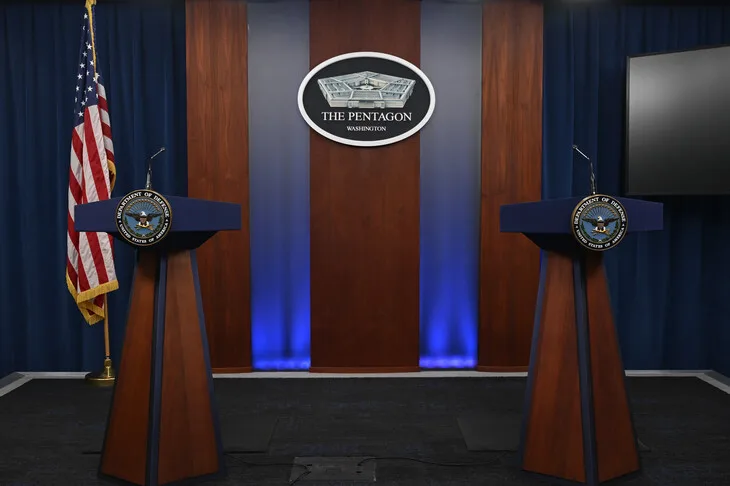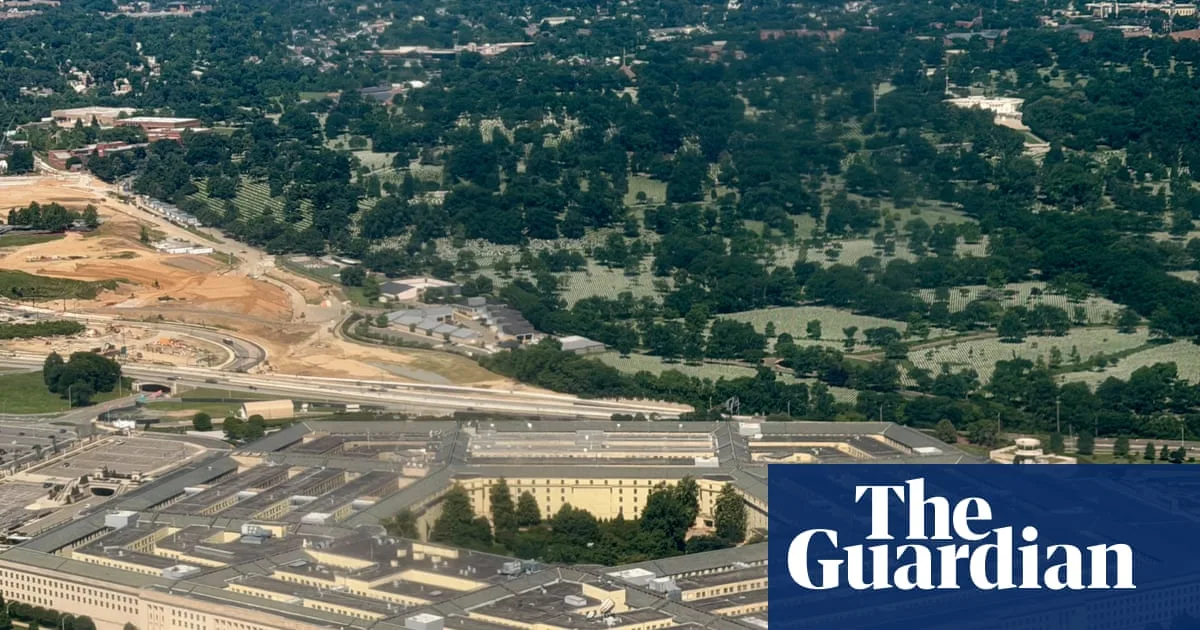
The US Department of Defense officially redesignated the Pentagon press office as a Sensitive Compartmented Information Facility (SCIF) on June 1, 2026. This reclassification restricts journalists from entering the press office space, marking a significant shift in Pentagon press access policies [1, 2, 3, 4].
Pentagon spokesman Joel Valdez explained the change arose because speechwriters from the Office of the Secretary of War, who handle classified materials and require access to the secure SIPRNet network, were relocated into the public affairs office. "The Pentagon Press Office has been redesignated as a Sensitive Compartmented Information Facility due to speechwriters from the Office of the Secretary of War sharing the facility. These speechwriters routinely handle classified material and require SIPRNet access. As a result, journalists will no longer be permitted to enter the office space," Valdez said [4].
Despite the redesignation, journalists may still meet with officials such as the Assistant to the Secretary of War for Public Affairs and the Press Secretary—but only by appointment [3, 4].
The redesignation follows a series of Pentagon restrictions on press access that began in September 2025 under the Trump administration. These measures included new media policies limiting credentialing, mandatory escorts for journalists inside the building, and vacating dedicated office space for some media outlets [1, 2, 3].
Several major news organizations, including The New York Times, The Washington Post, CNN, and NPR, lost Pentagon credentials after declining to agree to the tightened media policies [1]. The Times has filed multiple lawsuits challenging the restrictions; while a judge struck down parts of the policies as unconstitutional in March 2026, the Pentagon has persisted with limiting press access [1, 2, 3].
The National Press Club condemned the latest restrictions as "a troubling escalation limiting independent reporting on the military." Mark Schoeff Jr., a press freedom advocate, said, "Independent reporting on the US military is not optional. When journalists are pushed farther from the institutions they cover, the American people are left with less information" [3].
Since 2025, the Pentagon’s "next generation" press corps was announced with about 60 journalists having limited access under tightly controlled conditions [2].
The Pentagon's new access rules and redesignation of the press office as a SCIF represent the latest steps in a prolonged effort to restrict press freedom within the headquarters. The Pentagon has not announced any plans to reverse the classification or restore full journalist access.