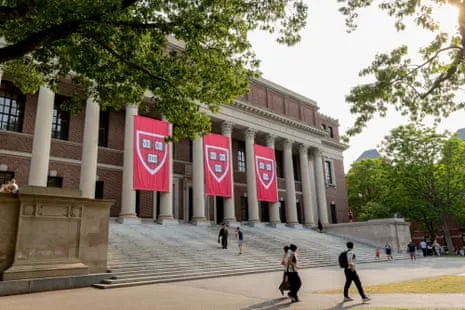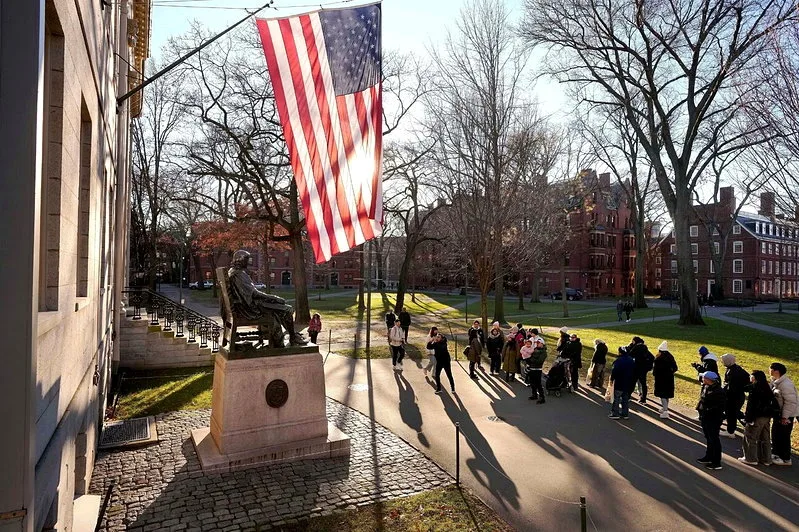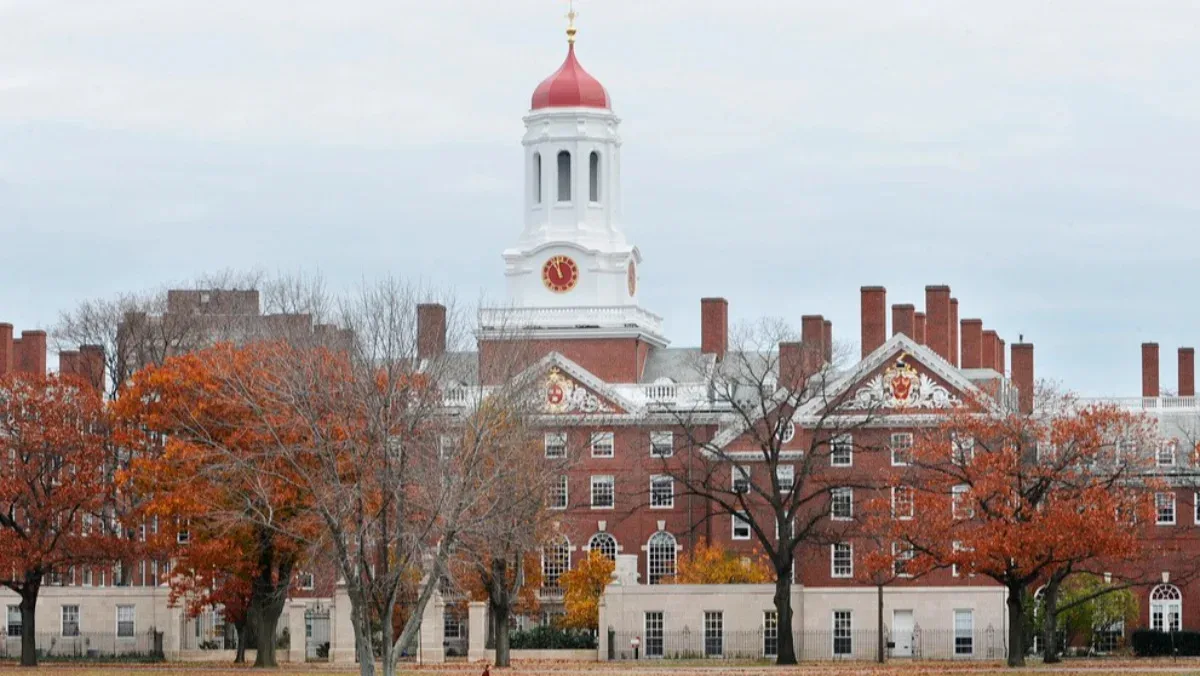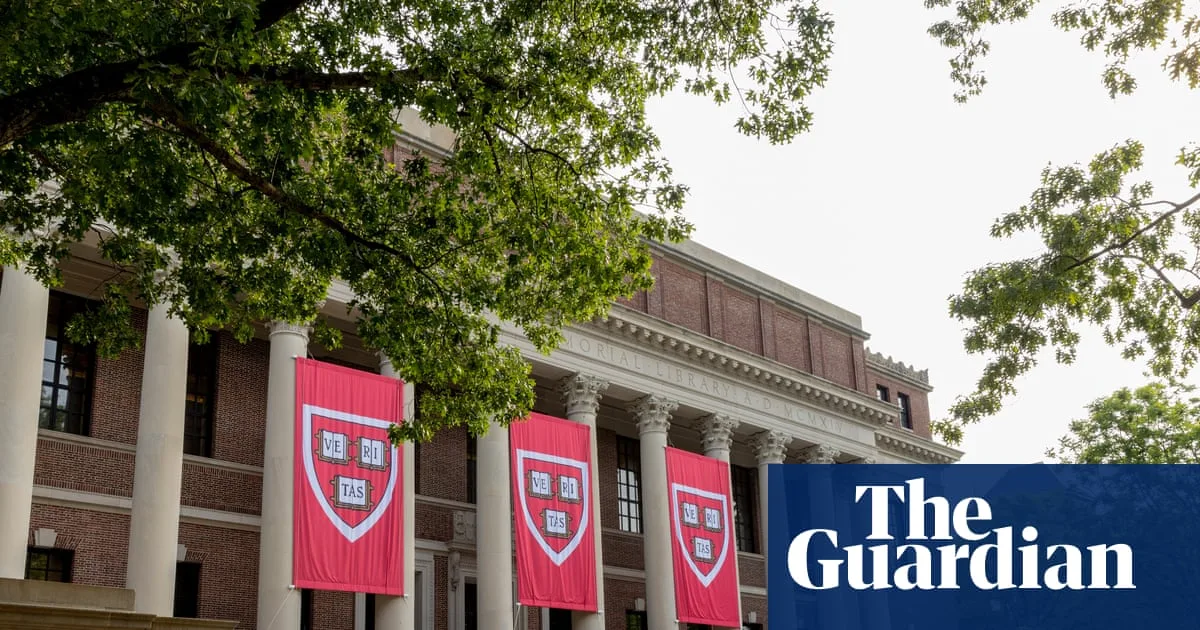
The Pentagon directed 30 major US universities, including Harvard, MIT, Johns Hopkins, Georgetown, and Cornell, to review their foreign academic partnerships and terminate any deemed a national security risk by August 31, 2026 [1, 2, 3, 4]. The order, issued on August 17, requires universities to complete this review and end risky collaborations within two weeks or risk losing federal funding [1, 2, 3].
The directive focuses heavily on partnerships with Chinese institutions, citing threats related to technology transfer and intellectual property theft. The Pentagon previously published a list of 130 foreign universities, primarily Chinese but also Russian and Iranian, it considers high-risk for engaging in activities that could misappropriate US-funded research [1, 2, 3]. Emil Michael, Pentagon Chief Technology Officer, said, "The Department of War has zero tolerance for academic partnerships that compromise our national security" [1].
A US House special committee reported in August that Harvard’s extensive collaborations with Chinese universities, including those linked to China’s military known as the "Defense Seven Sons," compromise its independence and US security. Harvard personnel have co-authored over 140 papers with these military-linked Chinese universities since 2004 and about 1,700 joint papers with Chinese institutions in 2026 alone [4]. House China Select Committee Chair John Moolenaar stated, "The American people expect our country's top universities to protect US research and innovation and never facilitate adversaries' interests" [4].
Harvard faces a US Department of Justice investigation into whether it accepted donations tied to China in violation of federal law [2, 4]. Harvard responded, saying it "does not agree with the inaccurate descriptions in the report," asserting it complies with federal security rules and safeguards US interests [4].
The American Council on Education expressed concern that the Pentagon’s directive implies wrongdoing without clear evidence. Vice President Sarah Spreitzer noted, "We do not agree with the implication—implying we are not good research security partners; after all, we helped build that list; and whenever national security concerns arise, we have worked closely with the federal government" [2, 3].
China’s embassy in the US condemned the move, saying it politicizes normal scientific and academic exchanges. A spokesperson urged the US to "abandon Cold War mentality and foster an open, fair, and non-discriminatory environment for Sino-US educational, scientific, and cultural exchanges" [2, 3].
The Pentagon’s August 17 directive sets a clear deadline: universities must finish their reviews and halt risky foreign partnerships by August 31, 2026, or face potential loss of federal funds [1, 2, 3].