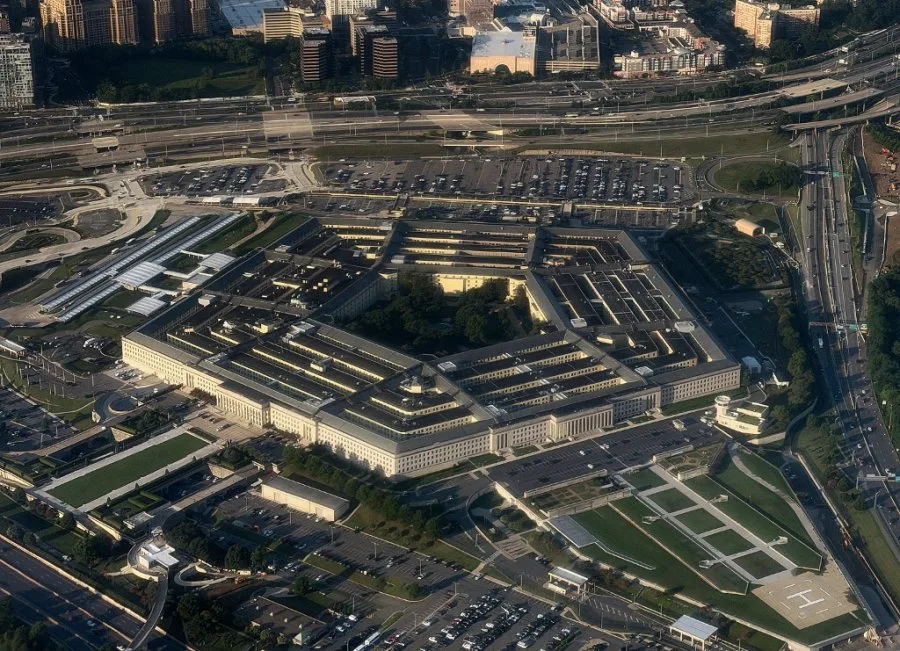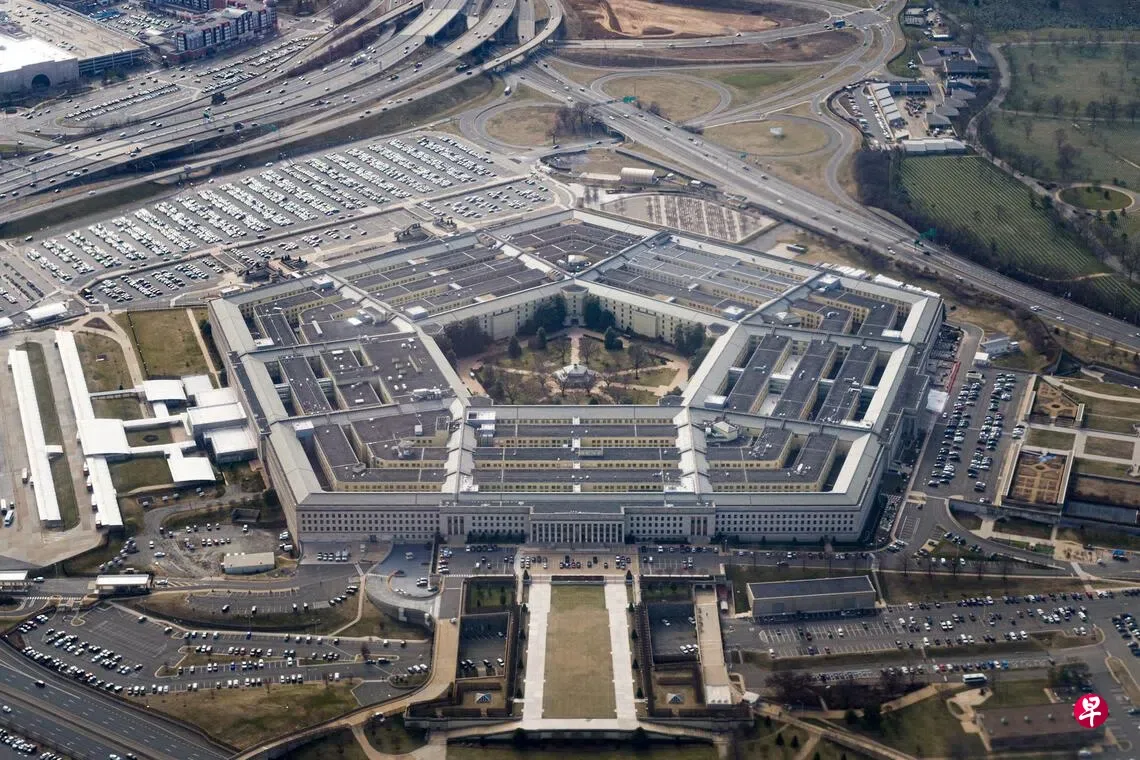
Deputy Secretary of Defense Steve Feinberg sent a letter on August 5 to Boeing, Lockheed Martin, RTX, and other major defense companies ordering them to dramatically speed up production schedules and increase capacity for critical weapons systems [1, 2, 3, 4, 5]. Feinberg said, "Years-long development cycles are not acceptable. We must dramatically accelerate our program schedules and expand our production capacity now." [1]
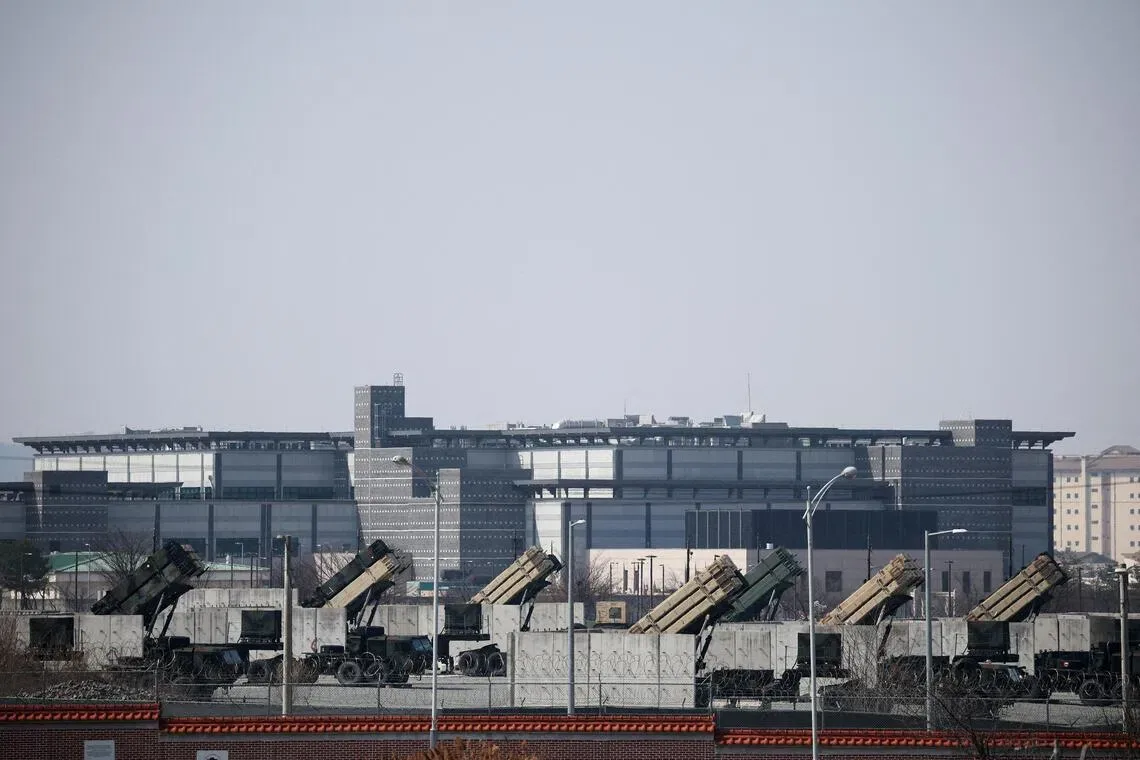
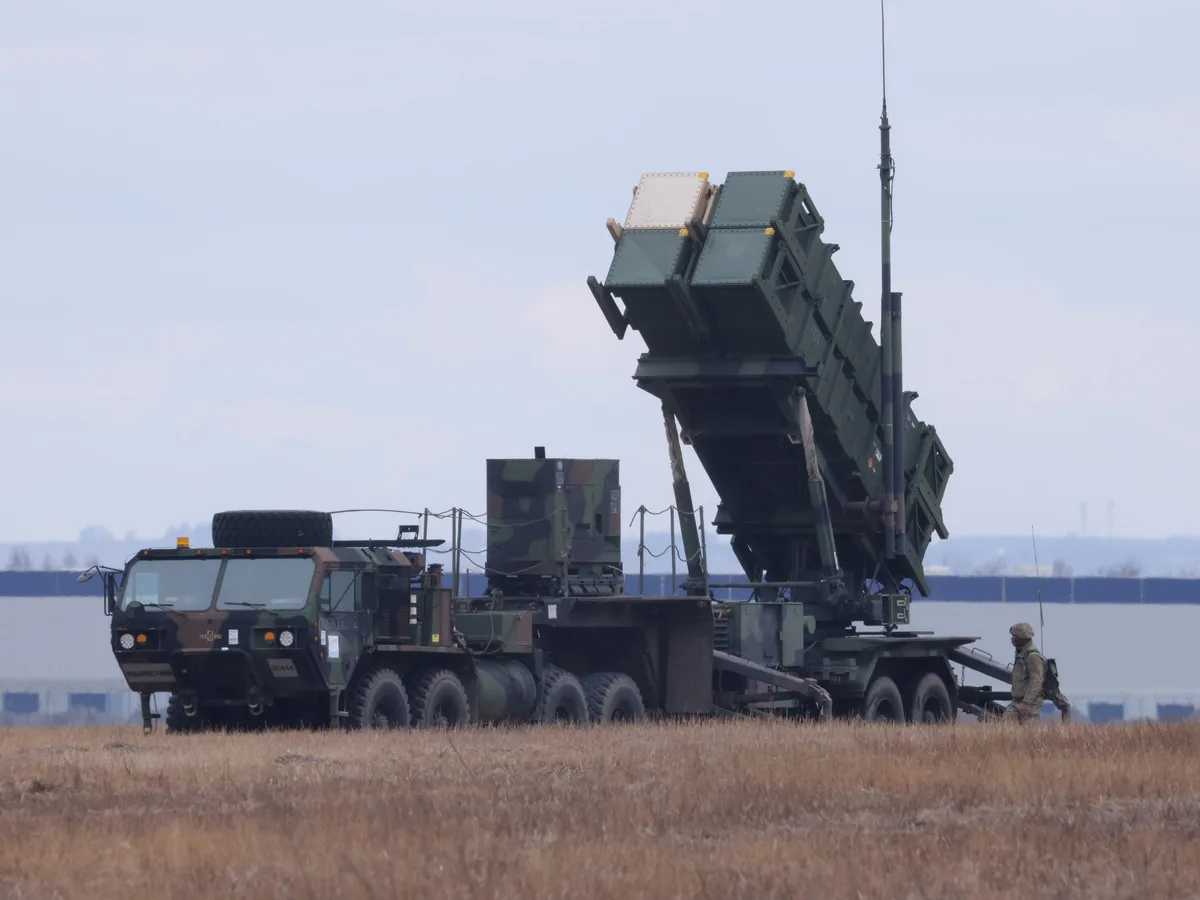
The accelerated programs include wide-area surveillance, air-defense sensors and interceptors such as Patriot and THAAD missiles, missile-tracking systems, satellite communications, and next-generation air-defense systems like Lockheed Martin's Next Generation Interceptor [1, 2, 3, 4, 5]. Companies have been given 21 days, until late August, to submit plans for faster delivery or increased production capacity [1, 2, 3, 4, 6, 5].
The Pentagon's push to speed production is part of a larger modernization effort that predates the Iran war but was intensified due to war-related stock depletion [4, 5]. US munitions reserves—especially Patriot and THAAD interceptors—have been significantly drawn down over the five-month conflict [4, 6, 5]. The New York Times reports over 1,500 Patriot interceptors have been fired, leaving fewer than 1,700 in US inventory, with replenishment expected to take over two years [6].
President Donald Trump rejected claims the US faces serious munitions shortages, stating, "The US has massive amounts of 'munitions,' especially of certain types. Some systems are where it’s a little bit tighter, and we’re getting them in on a daily basis" [1, 2, 3, 4, 6]. Pentagon spokesman Sean Parnell said, "The department was focused on accelerating munitions acquisitions to provide the weapons our warfighters need at the pace the threat demands." [4] Meanwhile, Jarred Conley from the Defense Innovation Unit asserted, "We have sufficient munitions for the task at hand. The department has everything it needs today to execute a war" [5].
Despite differing views on the severity of shortages, experts warn that failure to replenish stocks promptly could pose risks to US national security [1, 4, 5]. The companies must submit their accelerated production plans by late August, marking a key deadline for the Pentagon’s effort to restore critical weapons inventories during ongoing conflict.